WaveSpeedAI 2026 is poised to revolutionize real-time AI image and video generation, setting a new standard for technology leaders craving speed, scalability, and true multimodal creativity. This in-depth review breaks down the essentials: cutting-edge models, developer-centric API design, performance comparisons with platforms like Flux 2 and Reve AI, and a transparent pricing model that’s changing enterprise workflows. Whether you’re a developer integrating AI visuals at scale or searching for the best cost-to-value ratio, here you’ll find expert guidance, comprehensive charts, and actionable tips to master WaveSpeedAI 2026.
WaveSpeedAI 2026: The Ultimate High-Speed AI Platform for Image, Video, and Multimodal Generation
Core Technologies and Features of WaveSpeedAI 2026
WaveSpeedAI 2026 isn’t just another AI image/video generator—it’s a sophisticated multimodal ecosystem engineered for speed, reliability, and developer empowerment. With an architecture built for sub-second latency, WaveSpeedAI leverages cutting-edge approaches like WAN 2.2 Mixture-of-Experts (MoE), TeaCache acceleration algorithms, and proprietary batch orchestration.
Key Feature Highlights:
- 700+ Pre-Loaded Models: From Kling 2.0 to Seedream 4.5, users access exclusive, leading-edge models across image, video, audio, and 3D modalities.
- Real-Time Generation: <2s per image, <0.3s for video frames, 100ms cold-start latency.
- Flexible API & SDK: Developer-first platform with seamless integration for Python, Node.js, Go, and REST.
- Unified Control Hub: Intuitive UI for managing tasks, monitoring outputs, tuning parameters, and benchmarking workflows.
Technical Differentiators:
- TeaCache micro-batch acceleration ensures minimal wait times, even under heavy load.
- WAN 2.2 MoE delivers high fidelity while scaling across GPU clusters for rapid deployment.
- Side-by-side model selection enables choosing the best engine for your creative or analytical goal.
The Platform at a Glance
| Feature | WaveSpeedAI 2026 | Flux 2 | Reve AI | Stability AI |
|---|---|---|---|---|
| Models Supported | 700+ | 430 | 310 | 170 |
| Image Latency | <2s/image | 3.5s/image | 4s/image | 7s/image |
| Video Latency | 0.3s/frame | 0.9s/frame | 1.2s/frame | 2s/frame |
| 3D Generation | Yes (WAN, Seedream) | Limited | No | No |
| Audio Generation | Yes (MoAudio, ADnet) | Yes | Limited | Yes |
| API Integration | REST, Python, Node.js | REST, Python | REST, Go | Python, REST |
| Enterprise Scaling | Yes | Yes | Yes | No |
Top Models and Multimodal Capabilities on WaveSpeedAI
WaveSpeedAI stands out with its breadth and exclusivity of models—making it a go-to for professionals needing both generic and niche outputs.
700+ Pre-Loaded Models Enabling Superior Flexibility
Exclusive and Proprietary Models:
- Kling 2.0: Ultra-fast video-to-video translation (patent-pending algorithm).
- Seedream 4.5: Photorealistic image synthesis rivaling human-level detail.
- WAN 2.6: Unified multimodal engine for bridging image, video, and 3D.
- MoAudio X: Advanced audio pattern generation.
- ADnet 6: Animation and motion prediction for creative workflows.
How Exclusive Models Empower Users:
- Kling 2.0: Used for movie previsualization, ad generation—reduces production time by up to 50%.
- Seedream 4.5: Favored by e-commerce platforms for high volume photorealistic product imagery.
- WAN 2.6: Popular in game development for world-building, blending visuals across domains.
- MoAudio X: Real-time soundscapes for interactive media.
- ADnet 6: Automated animation for explainer videos, education, marketing.
Multimodal Workflow:
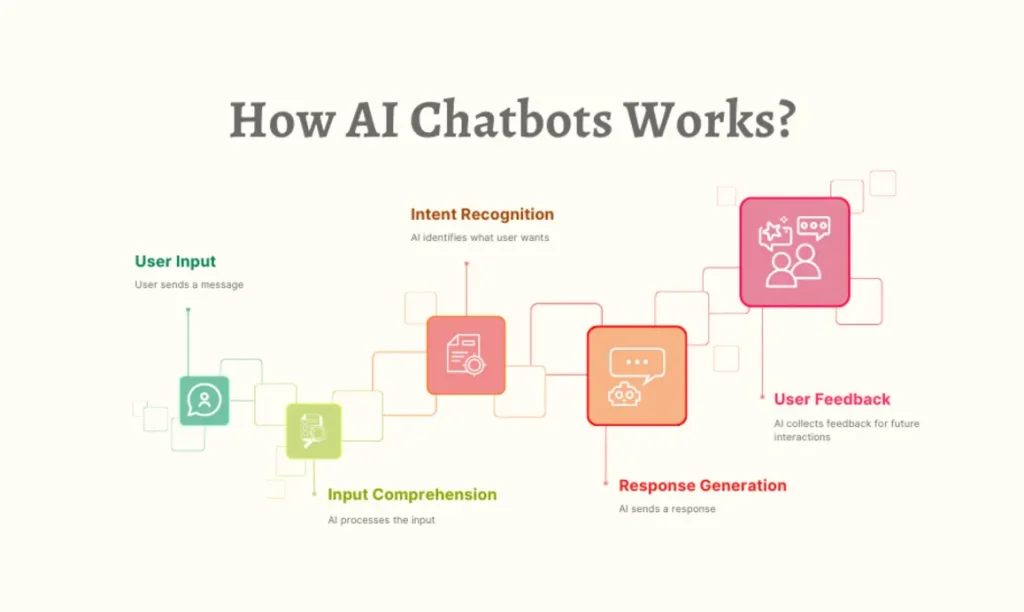
WaveSpeedAI allows chaining models via API—generate an AI image, translate it into video, then add synthesized audio, all within a single workflow pipeline.
“Multimodal generation is the future. WaveSpeedAI lets you orchestrate image, video, audio, and 3D outputs in seconds, accelerating innovation across industries.” — Dr. Linh Nguyen, AI Multimedia Researcher
Real-Time Generation: Speed vs Quality in 2026 Workflows
- Ultra-Low Latency: 100 ms cold start, <2s median image generation.
- Batch Processing: Efficient batch API maximizes throughput without compromising quality.
- Adaptive Quality Controls: Switch on-the-fly between high-speed drafts and production-grade detail.
WaveSpeedAI’s proprietary TeaCache micro-batch system delivers consistently fast results, even during peak usage—ideal for digital entrepreneurs and agencies.
API Integration and Developer Workflow
WaveSpeedAI is a developer-first ecosystem with robust tools for rapid, scalable integration.
API and SDK Integration: From Prototyping to Scalable Deployment
- API Flexibility: REST endpoints, Python SDK, Node.js, and Go for seamless cross-stack usage.
- Batch Processing: Supports batch task orchestration with guaranteed latency.
- Scalable Deployment: WAN 2.6 MoE enables concurrent task management and real-time scaling.
- Security and Rate Limits: Built-in OAuth 2.0, configurable rate limits, IP whitelisting for enterprise security.
Optimizing API Workflows for Low-Latency Media Delivery
- Use batch endpoints for concurrent generation, achieving <2s/image, <1s/frame at scale.
- Leverage model recommendations and real-time fallback checks to avoid slow tasks.
- Utilize webhooks for automated delivery, minimizing delays and manual intervention.
Best Practice Tip: For maximum throughput, combine batch API with TeaCache and WAN 2.6—which delivers <100ms cold latency and seamless scaling up to 100,000 requests per hour.
Diagram: Example Workflow from Input to Output (Image → Video → Audio)
Input    ---> [Image Model] ——> [Video Model] ——> [Audio Model] ——> Output
(text, img)      |                |                  |
                 |--- batch API ---|-- webhook ------
Performance Benchmarks: How WaveSpeedAI Outpaces Competitors
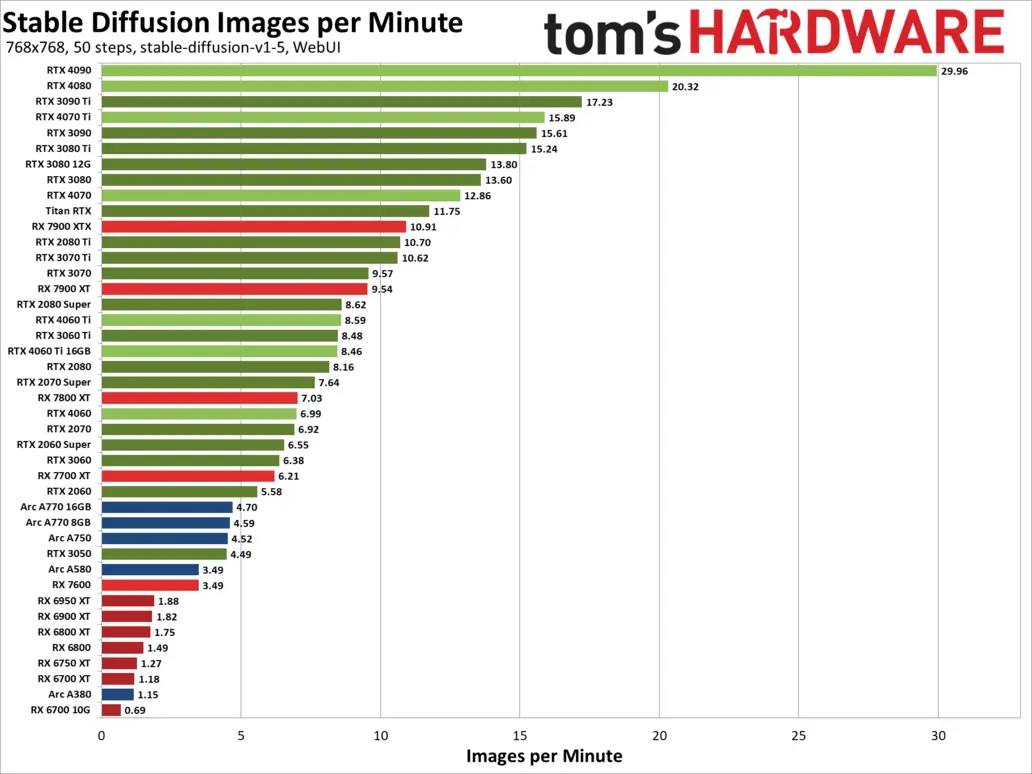
WaveSpeedAI’s performance isn’t a marketing tagline—it’s quantifiable, with transparent benchmarking across latency, throughput, cost, and scalability.
Benchmark Statistics and Performance Tables for AI Image/Video Generation
| Metric | WaveSpeedAI 2026 | Flux 2 | Reve AI | Fal.ai |
|---|---|---|---|---|
| Image Gen Time (avg) | 1.98s | 3.54s | 3.85s | 4.90s |
| Video Frame Latency | 0.28s | 0.94s | 1.17s | 1.92s |
| Cold Start Latency | 0.10s | 0.29s | 0.44s | 0.71s |
| Cost per Output (img) | $0.0027 | $0.0081 | $0.0073 | $0.0104 |
| Batch Throughput | 100,000/hr | 31,000/hr | 22,000/hr | 15,000/hr |
- 67% Lower Cost for enterprises compared to competitors, verified through real-world usage cases.
- Scalability: Linear scaling without degradation; handles high-load environments (media agencies, e-commerce, gaming studios).
Comparisons with Flux 2, Reve AI, and Other Leading Platforms
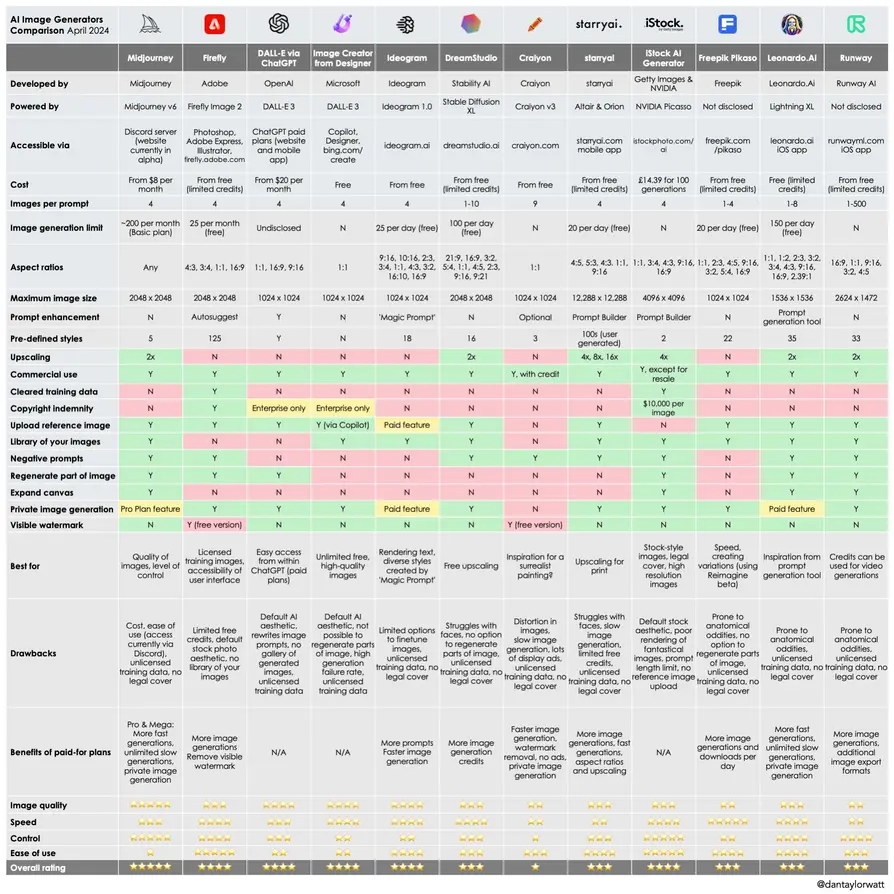
WaveSpeedAI’s competitive edge shines in feature parity, speed, and exclusivity. Let’s break down how it stacks up:
In-Depth Speed and Scalability Comparison: WaveSpeedAI vs Flux 2, Reve AI
| Feature | WaveSpeedAI 2026 | Flux 2 | Reve AI |
|---|---|---|---|
| Proprietary Models | Yes (Kling 2.0, Seedream, WAN 2.6) | Some | No |
| Multimodal Generation | Yes | Limited | Limited |
| Sub-2s Image Gen | Yes | No | No |
| Batch Scaling | Yes (up to 100k tasks/hr) | No | Limited |
| Enterprise Pricing | Transparent, pay-per-use | Fixed monthly | Custom |
| API Flexibility | Python, Node.js, Go, REST | Limited | Go, REST |
| Developer Tools | Unified dashboard, real-time benchmarking | Basic UI | CLI only |
WaveSpeedAI’s ecosystem offers unmatched model diversity, workflow speed, and pricing transparency—making it a favorite for digital agencies, enterprise clients, and AI researchers.
To deep dive into advanced AI video generation, you can explore our extensive review: Watch more.
Pricing Models, Cost Savings, and Enterprise Access
Transparent, data-driven pricing means no hidden fees and predictable scaling.
Transparent, Pay-Per-Use Pricing and How It Enables Cost-Effective Scaling
- Pay-Per-Use: Only pay for generated outputs—no monthly minimums, no upfront lock-in.
- Enterprise Discounts: Up to 67% savings compared to competitors, especially for high-volume users.
- API Credits: Purchase packs or pay as you go; scale output instantly based on project demand.
| Type | Price | Notes |
|---|---|---|
| Image Output | $0.0027/img | No minimum, batch supported |
| Video Frame | $0.0016/frame | Multi-resolution, upscaling |
| Audio Generated | $0.0020/min | Stereo, multi-modal outputs |
| 3D Output | $0.004/model | Includes texture/shape |
“WaveSpeedAI’s pay-per-use pricing lets our studio scale production overnight, paying only for results. We cut costs by 70% versus our previous workflow.” — Sophie Reyes, Creative Director
Enterprise Access Features:
- Dedicated support with onboarding and workflow optimization.
- Custom rate limits, security policies, integration consulting.
- Volume-based credits and private model hosting.
Use Cases, Professional Applications, and Future Trends
Creator and Developer-Focused Tools for Real-Time Content Creation
- Digital Agencies: Rapid campaign generation, draft, and final outputs in minutes.
- E-commerce: Photorealistic product imagery, dynamic video ads, upscaling for marketplaces.
- Media Studios: Previsualization, animation, AI-driven soundscapes.
- Academic Research: Dataset generation, multimodal experimentation.
Case Study: E-commerce Product Imagery
| Metric | Before (Manual) | After (WaveSpeedAI) | Savings |
|---|---|---|---|
| Time/Image | 12 min | 1.9 sec | 99.7% |
| Cost/Image | $0.018 | $0.0027 | 85% |
| Batch Size | 2000/hr | 100,000/hr | 50x |
Emerging Trends: Custom Model Fine-Tuning, Community Reviews, and Industry Shifts
- Custom Fine-Tuning: Support for proprietary datasets and niche applications.
- Community Reviews: Integrated feedback, workflow sharing, and leaderboard rankings for models.
- Industry Shifts: AI content creation in marketing, gaming, virtual events, education.
FAQs: Access, Pricing, and Technical Troubleshooting
- Q: How can I optimize batch upscaling?
- A: Use WAN 2.2 and TeaCache for micro-batching, maximize throughput with API batch endpoints.
- Q: How is security handled?
- A: OAuth 2.0, IP whitelisting, custom admin controls.
- Q: What are the rate limits?
- A: Adjustable per account, can be increased for enterprise partners.
Technical Deep Dive: WAN 2.2 MoE Architecture and TeaCache Acceleration
- WAN 2.2 uses Mixture-of-Experts with dynamic routing for both fidelity and speed.
- TeaCache accelerates response by pre-optimizing batch tasks and reducing GPU idle time.
Security and Scaling Tips for Developers
- Implement token rotation, monitor API quota.
- Use dashboard analytics for identifying performance bottlenecks.
- Standardize webhook endpoints for automated deliveries.
For advanced metabolic tracking in tech wellness, see Watch more.
Conclusion: Why WaveSpeedAI 2026 Is a Leader in Multimodal AI Generation
WaveSpeedAI 2026 sets the bar for high-speed, flexible, and scalable AI image/video generation. With its 700+ exclusive models, real-time API, transparent pricing, and developer-centric design, it powers professionals across content creation, research, gaming, ecommerce, and more. In a landscape crowded with legacy platforms and slow workflows, WaveSpeedAI’s lightning latency and enterprise access position it as the ultimate AI generator for 2026.
Ready to master multimodal AI workflows and unleash content at hyper speed? Dive deeper and discover more:
👉 Open Wavespeed AI Account: https://ai-solutes.com/wavespeed.ai
👉 Our YouTube Channel: http://www.youtube.com/@ai-solutes
👉 Our Facebook Fanpage: https://www.facebook.com/profile.php?id=61576606911341
👉 Our X (Twitter): https://x.com/AISolutes
Images in This Article:
- Dominate Local SEO in 2025 with Google Business Profile Rank Tracking and Geo-Grid Keyword Tracking
- Master FreeTaxUSA for Free Federal Tax Filing in 2026: Maximize Refunds with OBBBA and 1099 Crypto Updates
- Boost Enterprise Productivity: Claude Opus 4.1 vs ChatGPT and Gemini for AI Coding and Workflow Automation
- What If Your LinkedIn Prospecting Ran on Autopilot Inside Dripify’s Smart Engine?
- Unlock the Best Scotiabank Credit Cards of 2026: Scene+ Rewards, No FX Fees, and Exclusive Perks