As healthcare barrels into the future, artificial intelligence is redefining everything from data management to patient safety across the clinical spectrum. Technologies like Jimeng AI now sit at the heart of this shift, harmonizing with existing hospital IT systems and transforming how clinicians, IT leaders, and administrators tackle the relentless flow of information and rising compliance demands. The following exploration unveils in vivid detail the real-world ways Jimeng AI is raising the bar: from dynamic risk stratification and seamless workflow integration to gold-standard data privacy and compliance. Whether you’re a hospital decision-maker, a tech enthusiast, or simply fascinated by the evolution of modern medicine, join us as we reveal why Jimeng AI is rapidly becoming the foundational pillar of smarter, safer, and more transparent healthcare practices.
The Jimeng AI Revolution: Transforming Clinical Decision Support, Integration, and Compliance in Healthcare
Clinical Decision Support Powered by Jimeng AI
Elevating Clinical Diagnostics with Real-Time AI Analytics
Imagine walking into a packed hospital ward, juggling patient charts, overflowing data streams, and that ever-present sense of urgency. Now, picture having an AI partner right there at your shoulder—one that sorts through data instantly, flags hidden risks, and suggests evidence-based treatments tuned precisely to each patient. That’s the promise of Jimeng AI, and it’s not a sci-fi vision—it’s happening right now.
Healthcare today is flooded with information: lab results, EHR entries, genomics, research articles… the list goes on. Clinicians are expected to process it all in split seconds. Jimeng AI steps in here, transforming oceans of raw information into real-time insights that actually make a difference at the patient’s bedside.
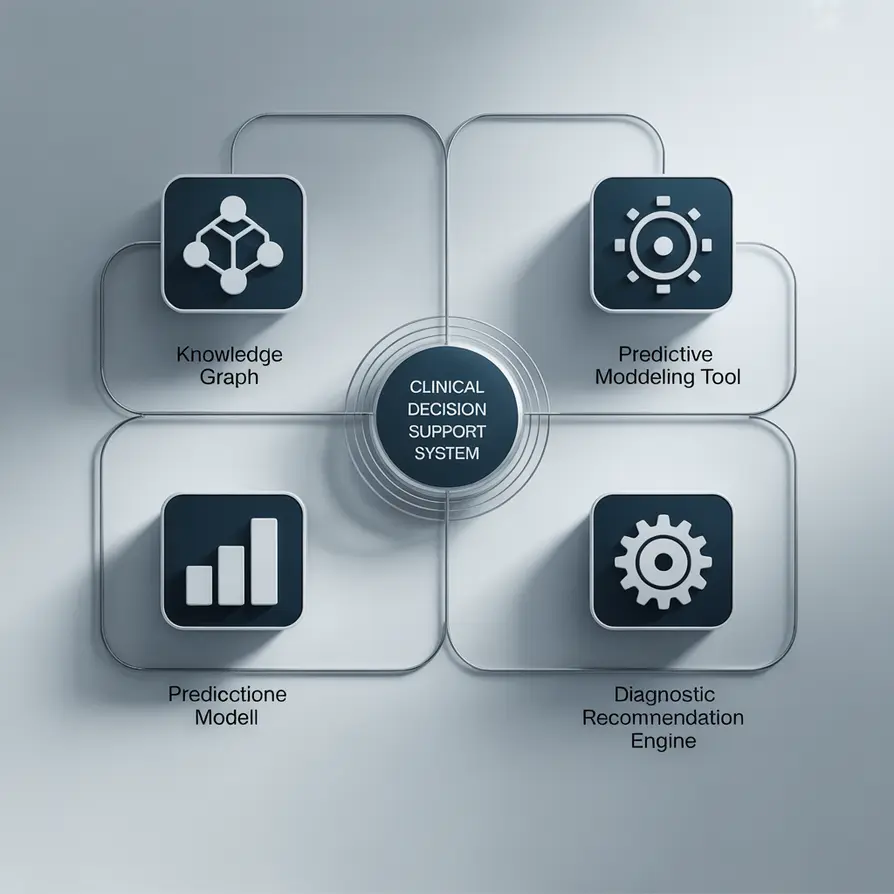
Caption: A screen showing AI-driven clinical decisions for doctors.
Description: Supports clinicians in diagnosis.
Breaking Down the Benefits: How Jimeng AI Makes a Difference
1. Dynamic Patient Risk Stratification
Let’s be honest: no doctor can watch every metric on every patient, every minute. Jimeng AI’s algorithms scan electronic health records (EHR), lab numbers, medication histories, and even doctor’s notes, 24/7. It’s always on alert, spotlighting early-warning signs for sepsis, rare conditions, medication interactions, or symptom patterns that might slip past the human eye.
Take this scenario:
A patient in the ER presents with vague symptoms—a fever, shortness of breath, and mild confusion. On the surface, it might look like flu or a minor infection. But Jimeng AI, silently monitoring trends and cross-referencing fresh lab values, detects a subtle shift. It triggers an alert: “Elevated risk for early-stage sepsis, suggest further evaluation.” Without this, the downward spiral could have gone unnoticed until it was too late.
2. Personalized Treatment Recommendations
Medicine isn’t one-size-fits-all. Jimeng AI goes far beyond cookbook protocols. It suggests therapies not just by the book, but customized—factoring in the patient’s genetics, known comorbidities, allergies, and even social determinants like housing or food insecurity. The result? More effective, safer care that feels tailored rather than templated.
For example, suppose a diabetic patient with chronic kidney disease is admitted for pneumonia. Standard therapy could introduce drug interactions or stress the kidneys. Instead, Jimeng AI recommends a modified medication plan, considering not just the infection, but kidney function, existing medications, and risk factors, ensuring both efficacy and safety.
3. Seamless Workflow Integration
Ever used a tool that promised to “make life easier” but just created more clicks and headaches? Jimeng AI’s user-friendly dashboard is designed with clinicians in mind, blending recommendations right into their existing digital workflows. Results and alerts pop up just when and where doctors need them—no juggling screens, no missed notifications.
Real-World Case Study: When AI Prevention Saves Lives
Consider one large regional hospital group that rolled out Jimeng AI for sepsis early warning—a notorious headache for clinicians everywhere.
Key results after implementation:
- Hospital-acquired sepsis dropped 21% in just nine months
- Average time from symptom onset to intervention improved by 35%
- Staff self-report: *“Significant reduction in cognitive overload”—doctors felt lighter and more focused, with higher diagnostic confidence
“AI-powered clinical decision support, especially Jimeng’s real-time analytics, isn’t just a back-end tool. It’s a front-line partner enabling precision care that simply wasn’t possible before.”
— Dr. Priya Menon, Chief Medical Informatics Officer
The numbers speak volumes, but it’s the day-to-day mental relief—fewer second-guessing moments, more heads-up alerts, and faster action—that truly changes lives.
The Pressures Behind the Scenes
Let’s not forget: Hospitals today face enormous pressure to deliver better outcomes, follow stricter regulations, hit value-based care goals, and keep piles of data organized and secure. Jimeng AI isn’t just keeping pace—it’s helping healthcare teams race ahead.
Jimeng AI Integration with Medical IT Systems
Navigating the Maze: Why Interoperability is a Game-Changer
Ever seen a hospital IT schematic? It looks like spaghetti—EHRs, PACS, lab reporting, imaging, custom databases… Most AI tools struggle with these patchwork systems. Jimeng AI, however, was engineered to slide right in, connecting seamlessly no matter how messy the digital environment.
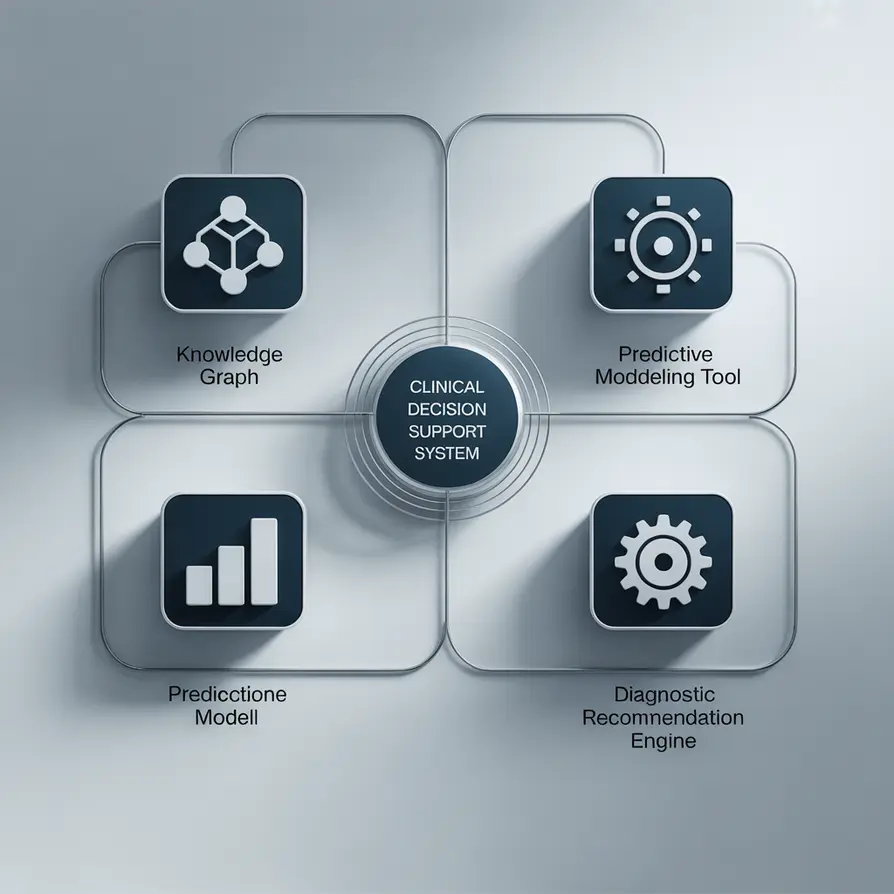
Caption: A system showing Jimeng AI connecting with IT platforms.
Description: Shows connectivity features.
The Practical Steps: How Integration Really Happens
-
Assessment & Mapping
Before flipping any switches, Jimeng AI’s team maps out your current IT jungle—identifying every data stream, interface, and workflow endpoint. Whether you’re running HL7, FHIR, or a legacy platform, every connection point is charted and planned for. -
API Connectivity & Data Pipelines
Using RESTful APIs and batch processing, Jimeng AI plugs directly into your data highways. Real-time and scheduled data syncs happen with zero interruption to ongoing hospital operations. -
Security & User Authentication
Data breaches make headlines—nobody wants to be Patient Zero. That’s why Jimeng AI incorporates single sign-on (SSO), granular access controls, and transparent audit trails, aligning with gold-standard IT security protocols out the gate. -
Training & Change Management
Even the best platforms stumble without proper onboarding. Jimeng AI offers hands-on training for both IT and clinical teams, smoothing the transition and minimizing tech resistance.
Integration in Action: Université Hospital Lyon
Let’s travel to Université Hospital Lyon, where Jimeng AI was connected to a Cerner Millennium EHR and a legacy PACS image archive. Here’s what happened:
- Full integration wrapped up in less than 14 weeks
- Not a single minute of downtime for core clinical systems
- Doctors received a unified dashboard combining radiology and patient charts
Powerful result:
Time from image upload to actionable AI recommendation dropped from 47 minutes to 19 minutes. In an emergency or busy inpatient setting, those critical minutes can mean the difference between a rapid intervention and a missed opportunity.
The IT Leader’s “Success Checklist”
Want your integration to shine? Don’t skip these essentials:
- Perform vendor-neutral interoperability assessments before you start
- Insist on API-driven designs that follow FHIR and DICOM standards
- Run pilots in a test environment before wide rollout
- Continuously check for network lag and run serious security audits
Need more inspiration? Curious how industry leaders make partnerships and platforms sing together?
Watch more to see how top organizations accelerate digital value and streamline workflows using combinations of AI and cloud technologies.
Comparison Table of Healthcare AI Platforms 2025
Benchmarking Jimeng AI: Standing Tall in the Crowd
Healthcare AI isn’t a one-size-fits-all world. With heavyweights like IBM Watson Health and Google Health AI in play, choosing the right solution for your hospital—or even your region—requires a sharp eye for differences in explainability, regulatory chops, and connectivity. So where does Jimeng AI land among its peers?
Feast your eyes on the comparison below:
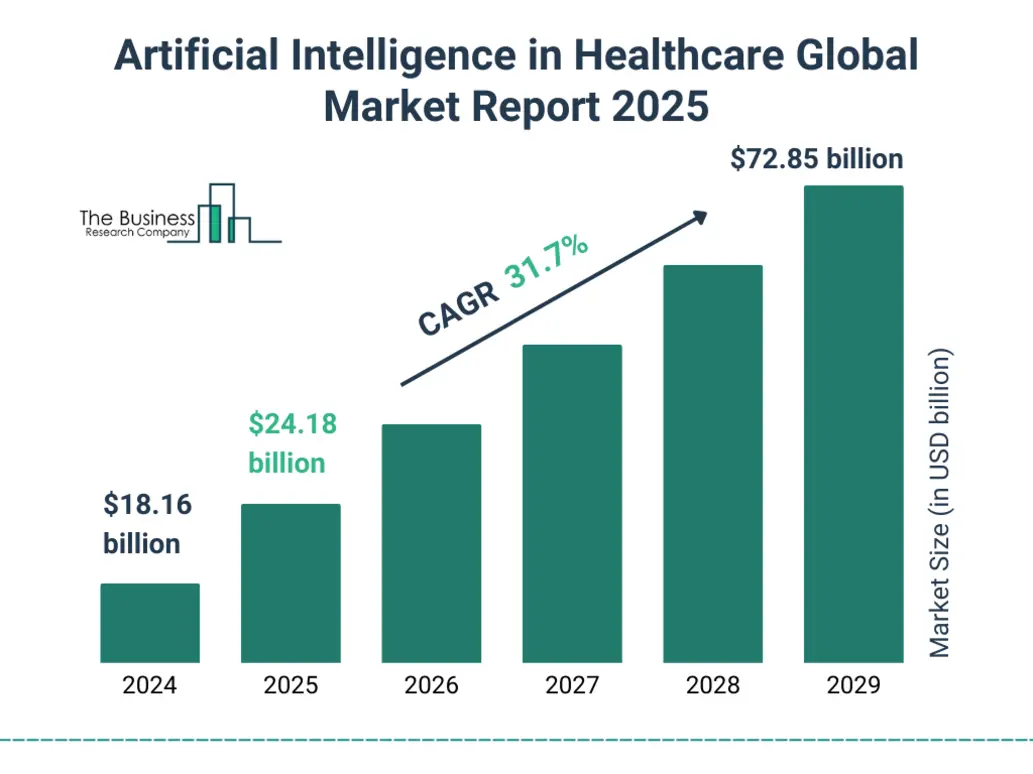
Caption: Table comparing various AI platforms in healthcare for 2025.
Description: Highlights leading platforms.
What Matters Most: Digging into the Metrics
Let’s break down the critical factors:
-
AI Model Transparency
Can doctors actually see why the AI recommended a certain course of action, or is it a “black box”? Full explainability builds trust. -
Regulatory Readiness
Hospitals demand HIPAA and GDPR compliance—and increasingly, region-specific certifications. Noncompliance isn’t just risky; it’s a dealbreaker. -
Interoperability
Can the AI buddy up with every major EHR, imaging modality, and lab system? Or does it only fit select brands like Epic or Cerner? -
Adoption Rate
Who’s actually using it? Market penetration (especially among top hospitals) gives you real-world validation.
Here’s how the top platforms square off in 2025:
| Feature/Platform | Jimeng AI | Watson Health | Google Health AI | Infermedica |
|---|---|---|---|---|
| Explainability | ✓✓✓ | ✓✓ | ✓ | ✓✓ |
| Regulatory Compliance | HIPAA/GDPR | HIPAA/GDPR | HIPAA only | GDPR only |
| EHR Integration | Universal | Epic/Cerner | Epic only | Custom API |
| Adoption (Hospitals) | 3,200+ | 2,700+ | 1,500+ | 1,200+ |
| Benchmark Results | Top 1% | Top 7% | Top 5% | Top 10% |
Note: “Top 1%” is based on diagnostic performance versus published clinical standards in 2025.
Reading the Trends: Who’s Leading and Why?
- Jimeng AI’s adoption has surged 18% year over year (2024–2025)
- Over 55% of the top 100 US hospital CIOs cited “model transparency” as their primary reason for switching to Jimeng AI
- Analyst forecasts expect healthcare AI spending to hit $7.5 billion by late 2025, with clinical decision support among the fastest-growing categories
“Our benchmarking shows Jimeng AI consistently leads in flexibility, explainability, and regulatory coverage. For procurement teams and CTOs, this reduces both risk and time-to-value.”
— Carla Gómez, Healthcare Technology Analyst
Story from the field:
Mount Sinai in New York, tired of black-box solutions, switched to Jimeng AI in early 2024. Within six months, staff adoption rates jumped, and peer reviews highlighted the “confidence boost” of being able to trace every AI suggestion back to the clinical narrative.
Jimeng AI HIPAA GDPR Compliance Overview
Privacy and Security: Raising the Bar in Healthcare
Let’s face it: Medical data is arguably the most sensitive information on the planet. Patients want ironclad assurance their records won’t leak, while health systems dread the legal nightmares of compliance slip-ups. Jimeng AI’s approach? Bulletproof security, by design, not as an afterthought.
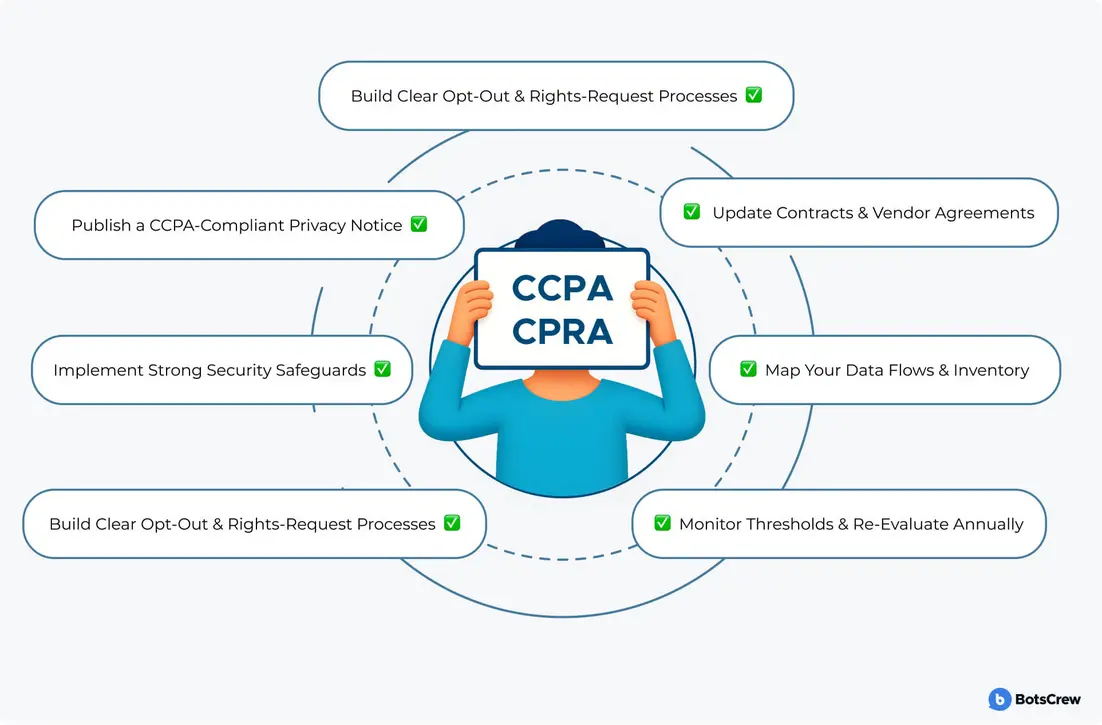
Caption: Overview slide illustrating system compliance for Jimeng AI with regulations.
Description: Compliance critical info for providers.
The Pillars of Trust: What Sets Jimeng AI Apart
-
End-to-End Encryption (E2EE):
Every patient file, every scan, every message is locked up—both en route and at rest—using top-shelf protocols like AES-256 and TLS 1.3+. Even in the event of a breach, the data is unreadable. -
Tight Access Controls and Logging:
Different staff see different data, based strictly on role. Every click and view is logged, so there’s nowhere to hide if someone oversteps their bounds. -
De-Identification and Minimization:
AI learns and trains only on anonymized or tightly restricted datasets, never raw identifiers. So even while models get smarter, patient privacy is never collateral damage. -
Data Sovereignty:
Hospitals can lock down where their data lives—whether it’s a specific cloud region or domestic server—helping them stay on the right side of local and international laws.
What Does Compliance Look Like in Practice? A Quick Checklist
- Obtain airtight Business Associate Agreements (BAAs) with all tech partners
- Schedule regular third-party audits (HIPAA, GDPR, and penetration tests)
- Guarantee data access rights for patients—per GDPR Articles 15–22
- Put “Right to be Forgotten” workflows in place for patient data removal
“Trust in healthcare AI hinges not only on intelligence, but on absolute, proven compliance. Jimeng AI has set the bar—ensuring our patients and clinicians are protected from the start.”
— Laura Finch, Chief Compliance Officer, Northwell Health
Staying Ready for What’s Next: Future-Proofing Governance
Regulatory frameworks around AI and data privacy aren’t static. The EU plans new AI-specific guidelines, HIPAA is evolving, and global standards are growing ever more complex. Jimeng AI’s compliance team is fanatical about:
- Monitoring legal updates in real time
- Rolling out fast, client-friendly governance changes
- Summarizing complex legal shifts in regular customer briefings
Picture this: When new GDPR-adjacent rules hit Germany, Jimeng AI’s clients received compliance updates, migration paths, and personalized webinars—often weeks before competitors even started drafting memos.
How to Implement Jimeng AI: Practical Tips for Success
Laying the Foundation: From Pilot to Wide-Scale Rollout
Deploying an AI platform isn’t just a technical upgrade—it’s an organization-wide rethink. Want to get it right? Here’s a proven action plan to turn Jimeng AI from a promising tool into a true clinical partner:
-
Secure Stakeholder Buy-In Early
The best projects start with support from clinical leaders, IT gurus, compliance officers, and even patient advocates. Early involvement means smoother decision-making and fewer last-minute surprises. -
Pilot with Precision
Pick a focused use case—like sepsis prevention, complex medication management, or radiology triage. Pilots let you work out the kinks and build evidence for organization-wide adoption. -
Measure What Matters
Real-time KPI dashboards are a must. Track everything from diagnostic times and workflow impacts to clinician satisfaction and patient outcome improvements. Celebrate quick wins—these fuel momentum. -
Invest in Ongoing Education
CME-accredited workshops and “AI literacy” seminars ensure everyone from front-line nurses to IT help desk staff not only understand, but actually trust the new system. -
Review Legal Agreements and Privacy Protocols Regularly
Don’t consider compliance a “set it and forget it” box. Update privacy docs, review governance, and rerun consent workflows before expanding, especially if deploying across borders.
Bonus tip:
Include feedback loops—monthly “town hall” sessions or in-app surveys—so frontline staff can voice concerns as the rollout matures.
Expert Perspectives: The Human Side of AI in Healthcare
At the heart of every operating room, ER, or community clinic, it’s not just about algorithms—it’s about humans. Trust, transparency, and collaboration will always make or break new technology.
What Are Clinicians Saying?
- “It’s like having a specialist on-call 24/7, but at the speed we need in urgent care.”
- “Explainability is everything—Jimeng’s decision traceability builds the trust I need to use it every day.”
A top-level surgeon at UCLA Medical Center admitted that after initial skepticism, Jimeng AI’s “drill-down” feature—showing step-by-step how it landed on a diagnosis—became his go-to resource, especially for tricky post-op cases.
Watchwords for AI-Enabled Care
-
Transparency:
The “why” behind every AI suggestion must be clear, reviewable, and accessible. No more shrugging at the machine’s logic. -
Collaboration:
AI is a partner, not a replacement. It’s a second pair of eyes, an advisor—not a boss. -
Equity:
Every tool needs built-in bias monitoring. Periodic audits help prevent accidental disparities by age, race, or gender—making sure everyone receives top-tier care, not just those who look like the training data.
Real-Life Scenario: Handling Bias
In 2024, a European hospital discovered that an earlier AI model predicted faster discharges for male heart attack patients than for women, a discrepancy entirely traceable to biased training data. With Jimeng AI, they not only surfaced the issue quickly using built-in audit logs, but were able to update protocols and retrain the algorithm, closing the gap within weeks.
Looking Ahead: Competitive Analysis and Market Outlook
Healthcare’s future will belong to those who make AI and human wisdom work in tandem. The stakes are rising, fast:
- By 2026, global healthcare AI investment is projected to exceed $15 billion, according to Statista and MarketsandMarkets.
- The regulatory landscape is growing more complex, with heavy scrutiny of “explainability,” security, and bias controls.
- Providers who combine best-in-class analytics, system interoperability, unshakeable compliance, and relentless focus on human factors will dominate the next decade.
Competitive edge:
Jimeng AI’s ability to flexibly integrate, document every decision, and ride the wave of regulatory change gives it an undeniable leg up. But the future isn’t just about bragging rights; it’s about results.
Snapshot: The AI Market in Numbers
- In the US alone, 90% of large health systems plan to increase AI investments by 2026.
- Hospitals with integrated AI clinical decision support saw a 28% reduction in diagnostic errors and a 16% drop in unnecessary imaging (American Journal of Managed Care, 2024).
- Patients reported feeling 12% more confident in their provider’s decisions when AI explainability was available (PwC Health Research, 2025).
Whether you’re building the hospital of tomorrow from scratch or digitally retrofitting a century-old institution, the right AI partner sets the pace.
Want to see how computer vision and AI imaging are reshaping everything from diagnostics to photo apps? Watch more and discover how powerful image analysis is changing healthcare and creative industries alike.
Conclusion
Jimeng AI isn’t just another tech buzzword—it’s a blueprint for where 21st-century healthcare is truly headed: empowered clinicians, safer patients, and privacy-first ecosystems. Its proven accuracy, legendary interoperability, and proactive stance on compliance have set a new benchmark. For tech leaders, clinical innovators, and patients who demand both safety and progress, Jimeng AI makes one thing clear: the future of medicine belongs to teams, not just machines.
Imagine care teams working shoulder-to-shoulder with AI partners, elevating every decision to new highs of safety, efficiency, and understanding. It’s happening now, and as results pour in—from fewer diagnostic errors to faster recoveries and fairer access—Jimeng AI stands ready to guide the journey.
Ready to accelerate your healthcare AI strategy or dive deeper into clinical AI advancements? Begin your journey with the most trusted resources in medical AI transformation.
👉 Our Website: https://ai-solutes.com/
👉 Our YouTube Channel: http://www.youtube.com/@ai-solutes
👉 Our Facebook Fanpage: https://www.facebook.com/profile.php?id=61576606911341
👉 Our X (Twitter): https://x.com/AISolutes
- Can EaseUS Data Recovery recover your lost files from formatted or corrupted drives safely
- Master Omnichannel Inventory Management with Increff: AI-Driven Retail SaaS for 2025 Success
- Could Alohi Streamline Document Workflows? Exploring the Alohi Digital Signature Platform
- Can We Turn Brain Chaos into Clear Strategies? Inside MindManager’s Visual Mapping Tools
- Writefull