Before diving into the main discussion, let’s set the scene. The article that follows explores the sweeping global changes defining 2025—from geopolitics and business innovation to sustainability, workforce trends, and ethical technology. To make your reading experience more visually engaging, key elements such as quotes, tables, and links have been given a clean, modern touch. Blockquotes are now visually distinct with a refined border and italics; links are formatted consistently for easier navigation; and any tables (if present) include gentle shading and hover effects inspired by Bootstrap 5’s elegant design language. These enhancements are purely aesthetic and do not alter the content in any way, ensuring authenticity, readability, and visual comfort throughout the article.
Change is in the air, and 2025 is shaping up to be a year like no other. Imagine waking up each day to headlines about new world alliances, businesses transforming almost overnight, and climate innovations that reimagine how we live and work. If you’ve felt like the pace of change is accelerating, you’re spot on—the world is undergoing a dramatic shift, blending unprecedented advances in technology, seismic geopolitical realignments, and urgent sustainability challenges. But here’s the good news: with a strategic mindset and a grasp of these big-picture currents, you don’t just survive the waves. You can ride them to opportunity. In this comprehensive guide, you’ll find expert insights, vivid illustrations, and actionable ideas to help you thrive in the new multipolar world order of 2025. Whether you’re a business leader, policy maker, entrepreneur, or simply a curious global citizen—you’ll walk away with a clear sense of what’s ahead and how to prepare.
The Multipolar World Order in 2025: Foresight, Risks, and Strategic Opportunities
2025 Geopolitical Landscape and Global Power Shifts
By 2025, the very foundation of global power will look nothing like it did just a decade ago. The era of one nation calling all the shots—the so-called “unipolar world”—is fading fast. Instead, we’re entering a bold, messy, and utterly fascinating multipolar era. Here, power is distributed among a collection of heavyweights: dominant regions like Eurasia, a still-influential but adapting US, and a swirl of dynamic new alliances—each steering the world’s course in their own way. For businesses and governments, this means constant adaptation is the new normal.
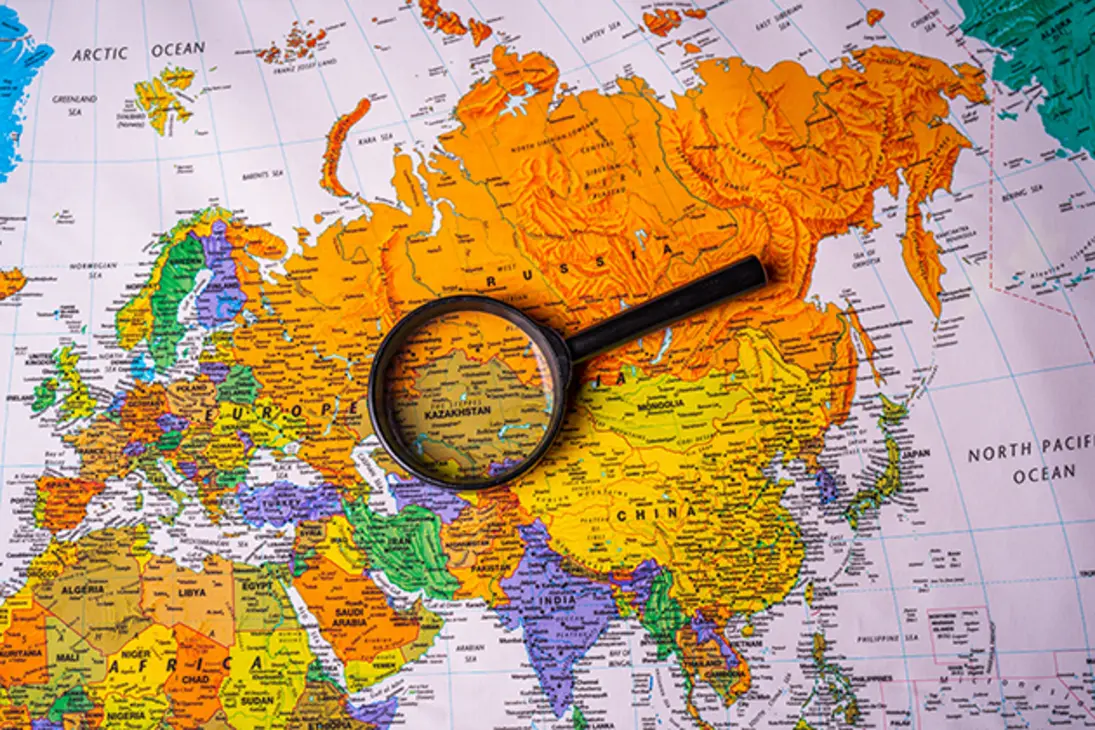
Let’s break this down with a real-world scenario: Take a look at the last few international summits you’ve heard about. Far from unity, you see clashing perspectives on trade, cybersecurity, energy, and even pandemic responses. The ongoing joust between the US and China hogs the spotlight, but what’s just as important is the rapid ascent of regional power blocs—think ASEAN’s tightened economic ties, African Union’s tech investments, or Europe’s renewed outreach to Central Asia.
What Defines the 2025 Geopolitical Landscape?
- Eurasian Power Shifts: Watch Russia, China, and Central Asian countries. They’re banding together, pooling resources and developing their own tech ecosystems, all while seeking escape routes from traditional Western financial systems. And don’t forget the Belt and Road Initiative: its digital infrastructure web now stretches further than ever, knitting continents together in new ways.
- US Leadership and Adaptation: The United States remains a military juggernaut, but holding the top seat means evolving—fast. Embracing flexible trade pacts, reimagining energy policy, and recalibrating immigration stances are all in play.
- Emerging Regional Blocs: Across the Middle East, oil fortunes are funding ambitious tech upgrades and smart cities. Meanwhile, African nations—buoyed by booming youth populations—are betting on manufacturing and AI-driven entrepreneurship to transform their economies.
“What makes 2025 globally unique is the simultaneous rise of multiple centers of power—and the battle for digital sovereignty. Businesses must be agile enough to pivot operations and partnerships as new alliances reorder the economic and regulatory map.”
—Dr. Marta Sokol, Eurasian Geopolitics Expert
These aren’t just headlines for diplomats; they’re shifting the very ground your business, investments, and even your daily digital life rest on. Will sanctions disrupt your supply chain? Will currency volatility hit your global sales? Understanding these tectonic shifts is now central to risk management and seizing growth.
How Do Geopolitical Shifts Hit Home Across Sectors?
- Policy Whiplash: Just when you thought tariffs were stable, sudden new agreements—or diplomatic rifts—can change your cost base overnight.
- Tech Cold Wars: Competing standards for AI, quantum computing, and 5G mean your choice of supplier today could dictate compatibility for years.
- Resource Scramble: Who will control the minerals that power electric vehicles and new AI chips? The answer changes as alliances solidify and fracture.
If this new world order feels overwhelming, you’re not alone. The best response? Commit to real-time intelligence, robust scenario planning, and agile strategy—not just once a year, but as a continuous discipline.
Let’s add some punch with an example:
During the 2023–2024 energy crunch, several European tech firms learned the hard way that a single-point supply chain (even with “trusted” partners) could be a business-ending blind spot. The companies who survived had pre-built relationships in the Middle East and Africa, letting them rapidly diversify resources. The lesson: In 2025, geopolitics IS business strategy.
Business Innovations and Economic Trends 2025
So, what happens when unstoppable geopolitical forces collide with exponential tech change? Welcome to the business landscape of 2025: unpredictable, sure—but packed with possibilities for those who are ready to leap.
The Technologies Rewriting Business in 2025
Let’s talk about the new toolkit for leaders:
- AI Everywhere: From predictive logistics in global shipping to real-time fraud detection in finance, artificial intelligence is no longer limited to Silicon Valley’s brightest. Everyday companies across banking, healthcare, manufacturing, and even government are using AI to outmaneuver the competition.
- 5G & Edge Computing: Need your operations to move at lightning speed? 5G links with edge computing are making decentralized manufacturing, autonomous vehicles, and real-time analytics not a dream but a daily reality.
- Decentralized Finance (DeFi): Forget waiting on banks; with blockchain platforms, both companies and individuals can move assets, settle trades, and access capital faster—and often more securely—than ever before.
Real-Time Example:
Picture a top-tier logistics provider in Europe. Seeing border tensions rise, they deploy blockchain supply chain tracking and real-time 5G analytics to reroute hundreds of shipments, dodging delays and regulatory penalties. The value? Millions saved—and a reputation for reliability when it mattered most.
What’s Driving Economic Growth in 2025?
- Resilience & Flexibility: This isn’t about playing it safe—it’s about playing to win, no matter what. Think sourcing partners in multiple countries, building digital redundancy into critical operations, and deploying “smart contracts” that automatically adapt to external shocks.
- Sustainable Investment: It’s official: ESG (Environmental, Social, and Governance) funds are outpacing old-school investment options. This is part regulatory push, part consumer activism—a trend that won’t be slowing down.
- Automation’s Quantum Leap: We’re not just talking about robots running assembly lines, but AI agents handling everything from HR onboarding to instant credit assessments. And with collaborative robots (“cobots”) working alongside humans, it’s a transformation in how we define productivity.
Actionable Moves for Every Business:
- Assess and mitigate risk at all levels: Use scenario forecasts, ESG benchmarks, cyber-resilience tests.
- Stay competitive by collaborating: Build cross-border partnerships, join open innovation hubs, and prioritize talent able to pivot fast.
“In 2025, the intersection of global risk and breakthrough technology recasts competition itself. Survival means constant learning—and a willingness to move capital and talent toward resilient, sustainable futures.”
— Marcus Liao, CEO, Tech Futures Advisory
Wondering where to start? Digital entrepreneurs, especially in e-commerce or direct-to-consumer, are discovering the value of smart research platforms. Tools like Watch more: Niche Scraper 2025 – Dropshipping Research & Validation use AI-driven data mining to spot trends, validate concepts, and manage risk—giving you not only a map but a compass for the future.
Taking It Further: Business Experimentation in Action
Let’s dive even deeper with another example. In 2025, a fast-growing fashion startup in Africa integrates AI-powered market analytics, tapping into local youth culture while adjusting product drops in real time to global moods. Their agility lets them bypass slow-moving Western competitors, illustrating how the fusion of tech and local insight can catapult young brands onto the world stage.
Thought to ponder:
Are you empowering your organization—no matter the size—to learn faster than your environment is changing? That’s what separates future winners from those left behind.
Environmental Sustainability and Climate Solutions in 2025
Here’s an undeniable truth: Sustainability isn’t just a “nice to have” in 2025. It’s the foundation of every truly successful business and government operation. Climate events—think wildfires, heat domes, and punishing droughts—aren’t slowing down. And neither are regulations or consumer expectations around green responsibility.
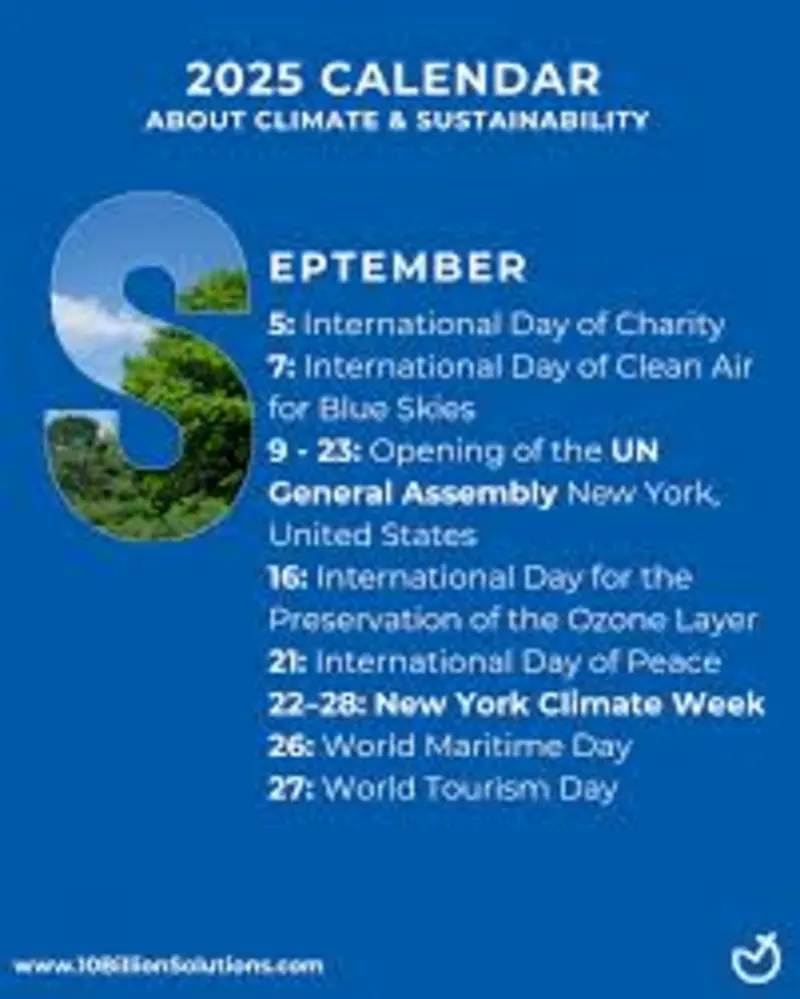
The New Green Deal: What Every Leader Needs to Know
- Climate Tech Investment: The biggest players are putting at least 30% of their innovation budgets into green tech, from next-gen renewables to carbon capture and even AI platforms that monitor real-time emissions.
- Circular Economy Models: Gone are the days of “make, use, discard.” Now, products are designed to be reused, repurposed, or recycled—creating profit AND cutting waste.
- Tougher Regulations: Want to sell to Europe or East Asia? You need ironclad climate-risk disclosure, transparent emissions reporting, and a supply chain that’s increasingly carbon neutral.
Real-World Illustration:
Take, for example, a Fortune 500 manufacturer staring down massive emissions targets. Rather than panic, they use AI-managed energy procurement and “digital twins”—virtual models of their factories—to tweak and optimize every process. The result? Emissions cut by half, millions saved, and a bulletproof reputation with regulators and customers alike.
What Happens If You Don’t Go Green?
- Locked Out of Markets: Countries and regions are refusing to do business with companies that can’t prove their green credentials. Think of the EU’s “Carbon Border Adjustment Mechanism”.
- Public Backlash: Social media is a megaphone for environmental blunders and greenwashing. One viral post can dent your brand value overnight.
- Expensive Fines: Regulatory penalties are higher than ever for exceeding emissions limits or not delivering on promised climate actions.
Turning Climate Risk Into Business Opportunity
- Put sustainability at the highest levels: Make it a boardroom conversation, not just a side project.
- Leverage digital carbon accounting: Real-time AI and IoT tools can help you track and reduce every ounce of emissions.
“Climate innovation is now a growth engine, not just a compliance cost. Companies that align technology, business models, and environmental stewardship will lead global value creation in 2025.”
— Dr. Carla Vercetti, Climate & Sustainability Strategist
Need inspiration for sustainable product leadership? Check out Watch more: Pure Organic Essential Oils and Serums, where eco-first brands use green strategy not as a tagline but as a core business advantage.
More to Explore: Sustainability Meets Consumer Culture
Let’s make this real with a 2025 story: In East Asia, a cosmetics company disrupts the industry by sourcing botanicals through verified fair trade networks. Their transparent supply chain—audited by third-party AI systems—wins over Gen Z customers looking for authenticity. Not only do they curb environmental impact; they triple their share in the youth market.
Reflect for a moment:
How would your business change if tomorrow’s consumers ranked you—publicly—on climate impact? Chances are, for Gen Z and Millennials, they already do.
Future Workforce Skills and Demographic Changes 2025
Of all the ingredients shaking up our world in 2025, none may be as personal—or as game-changing—as the new world of work. Whether you’re a fresh grad, a C-suite executive, or switching industries, the shifting sands of demographics, tech, and cultural values are rewriting the rules faster than anyone could have predicted a decade ago.

The Demographic Tsunami
- Gray Waves Rising: In mature economies like Japan, Western Europe, and North America, retirements are upending the workforce. Knowledge transfer from seasoned leaders is mission-critical, while attracting Gen Z and even Gen Alpha talent becomes fiercely competitive.
- Youth-Led Growth: Africa and South Asia are teeming with young, digitally native entrepreneurs. Their startups, music, and style trends are re-coding global culture—and economic opportunity.
- Rethinking Migration: Talent mobility—whether driven by aspiration or crisis—means building teams from anywhere. For global businesses, diversity isn’t just ethical; it’s an engine for innovation and resilience.
What Skills Are Hot in 2025?
- AI and Data Smarts: The ability to build, manage, and govern machine intelligence is in red-hot demand. It’s not just coders: data translators, prompt engineers, and policy architects are wanted everywhere.
- Climate and Clean Tech: From battery innovation to sustainable urban design, green skills are a growth playground.
- Human-Centric Power Skills: Collaboration across time zones, creative problem-solving with fast-moving teams, and inclusive communication are valued as much as any technical degree.
Let’s paint a picture:
In a global SaaS startup, team members sign in from Lagos, Berlin, Bangalore, and Austin—collaborating asynchronously, sharing micro-trainings, and rotating leadership. Their “workplace” is both virtual and physical, powered by habits of lifelong learning and peer coaching.
New Work Models for a New Age
- Hybrid Everything: Remote work survives pandemic-era disruptions, but hybrid models—two to three days a week in an office or co-working lounge—become the global gold standard.
- Distributed Leadership: Hierarchies flatten. Decision-making is pushed out to the edges, empowering diverse voices and unlocking rapid innovation.
- Inclusion is Standard Practice: HR metrics track not just diversity on paper, but engagement, belonging, and outcomes among all demographic slices.
Building Resilience & Attracting Talent
- Continuous Upskilling: Modern platforms blend microlearning, online mentorship, and skills “badging”—creating agile workforces that remain employable as roles morph.
- Concrete Diversity Commitments: Organizations set public benchmarks—and tie executive compensation—to metrics reflecting gender, ethnicity, neurodiversity, and more.
“Work in 2025 is a moving target—controlled by demographic realities, technological disruption, and social expectations. Winning companies invest constantly in adaptability, empathy, and future-ready leadership.”
— Elaine Zhou, Global Talent Strategist
Are you designing your organization for rapid adaptation? If not, your best people may drift toward employers who are already there.
Story in Action: Adapting to the New Talent Game
Let’s spotlight a fast-scaling fintech in Southeast Asia. Confronted with a fierce war for talent, they don’t just raise salaries—they offer personalized learning journeys, fund green community projects, and encourage managers to mentor across teams. Turnover drops, productivity leaps, and the company becomes the magnet for next-gen leaders.
Pause and consider:
What would it take to make your company the top choice for the world’s sharpest, most diverse minds?
Responsible Innovation and Ethical Technology Use
The themes so far—shifting alliances, business transformation, green revolutions, and workforce upheaval—all come together in the most urgent conversation of 2025: What does it mean to use technology responsibly? Here, trust isn’t just nice PR. It’s the foundation for continued growth, customer loyalty, and even a license to operate.
The Core Pillars of Ethical Tech in 2025
- AI Ethics & Governance: Laws and frameworks are moving just as fast as the tech itself. Whether it’s algorithmic transparency or user data privacy, ignoring the rules can mean billion-dollar fines—or worse, social backlash that cancels even the best-run company.
- Building Ethical Organizations: Tech firms and SMBs alike are making ethics-by-design a standard for product development. This means security, fairness, and accountability are not afterthoughts—they’re baked into every sprint and release.
- Thinking Long-Term: Would your next tech innovation reinforce or erode democracy? Would it close or widen the gap between the best-off and the most vulnerable? Societal foresight is now a strategic business asset.
How to Lead Responsibly
- Adopt Ethics-by-Design frameworks: Don’t wait for laws to force compliance—design with fairness and transparency from day one.
- Engage Independent Audits: Bring in outsiders to challenge bias, test systems, and hold teams accountable.
- Promote Open Innovation: Share findings, admit risks, and create cross-industry alliances to raise the baseline for everyone.
“Responsible innovation in 2025 defines both market leadership and social legitimacy. Companies must combine technical excellence with ethical clarity—or risk losing both consumer trust and regulatory license to operate.”
— Dr. Anil Kapoor, International Technology Policy Expert
Where to dive deeper? For digital marketers and AI strategists, Watch more: AI Content Gap Analysis MarketMuse 2025 & SEO unlocks how transparency and fairness are redefining digital influence. Who says ethics and performance can’t go hand in hand?
Fresh Take: Ethical Tech in Everyday Action
Imagine a global payment platform that faces allegations of algorithmic bias. Instead of lawyering up in silence, they open source their auditing process, invite industry and civil society in, and transparently fix errors. The result? Not only is trust restored, but they win new contracts from clients who value transparency as much as reliability.
Probe your own approach:
Is your tech strategy built for both short-term wins AND long-term trust?
Conclusion: Strategy, Trust, and the Path Forward for Leaders
2025 is here—and it’s more interconnected, rapid-fire, climate-conscious, and unpredictable than anything we’ve seen before.
From boardrooms to policy centers, and from startups to NGOs, the challenge is the same: Understand change, move with it, and lead with both ambition and conscience. This isn’t just about “staying competitive”—it’s about staying relevant, resilient, and respected.
2025’s Big Takeaways, Summed Up:
- Track the Shifting Global Order: Keep your finger on geopolitical changes. Only then can you anticipate market, regulation, or supply chain surprises before they hit.
- Double Down on Tech for Resilience: AI, 5G, and automation aren’t just buzzwords—they’re survival skills for adaptation and growth.
- Green at the Core: Sustainability is your North Star. Every project, policy, and investment starts with a climate lens.
- Build the Talent Engine: Invest relentlessly in diversity, skills, and leadership that’s made for tomorrow.
- Lead Tech with Ethics: Responsible innovation isn’t window dressing—it’s your competitive armor and guarantee for societal trust.
Want to go deeper?
Explore future-forward insights on AI, digital personalization, and omnichannel strategies: Watch more: Digital Transformation 2025 – AI Personalization & Omnichannel.
Watch more & Stay Connected
👉 Our Website: https://ai-solutes.com/
👉 Our YouTube Channel: http://www.youtube.com/@ai-solutes
👉 Our Facebook Fanpage: https://www.facebook.com/profile.php?id=61576606911341
👉 Our X (Twitter): https://x.com/AISolutes
Looking Ahead: How Will You Lead in 2025?
Now, ask yourself: What’s one bold step you could take today—personally or professionally—to future-proof your strategy for 2025? Could it be fostering a new partnership, championing sustainability, or rebooting your approach to workforce diversity or digital ethics?
The next wave of innovation, disruption, and opportunity is already here. Don’t wait for it to pass you by—dive in, lead the change, and let’s shape the world of 2025 together.
What’s your vision for thriving in the great reshuffle of 2025? Drop your thoughts, questions, or bold predictions in the comments—or start a conversation on our social channels. The future is happening now. Will you be ready?
- Master Brevo 2026: Reviews, Pricing, and AI Email Automation Best Practices
- Transform Global Content Creation with Akool AI: Cloud Integration, Multilingual Video, and Next-Gen Avatars
- Will Glide Democratize Mobile App Development? Evaluating Their AI-Powered Component Library
- Unlock Retail Growth in 2025 with Increff’s AI-Powered Omnichannel SaaS Platform
- Can a CRM Finally Adapt to Your Business? Inside Attio’s Radically Flexible Data Model