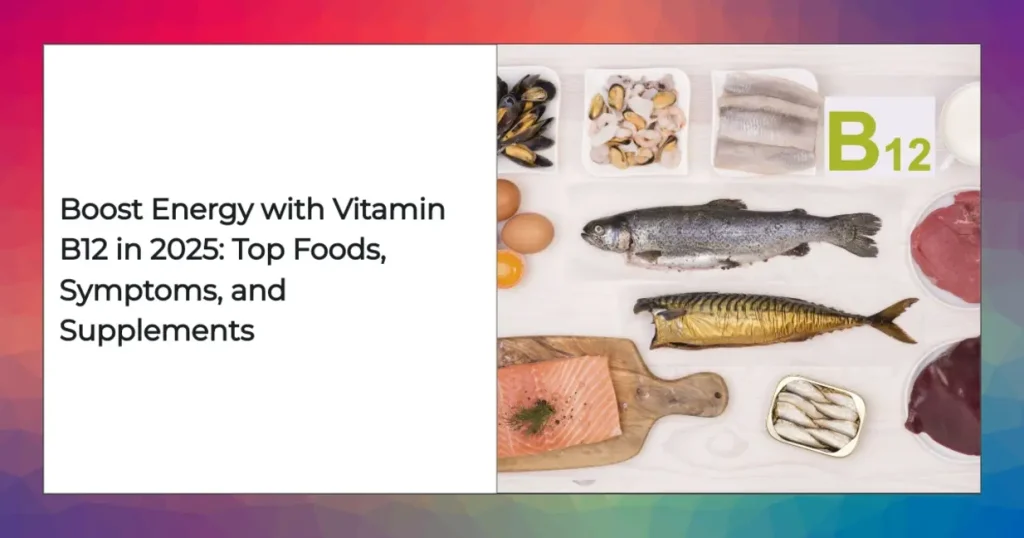
Vitamin B12 often flies under the radar when people talk about nutrition, but it’s far more critical than most realize. This unsung nutrient fuels your DNA, supports your nervous system, and keeps your energy running smoothly. In 2025, with the rise of plant-based lifestyles, demanding work schedules, and tech-driven routines, paying attention to your B12 intake is no longer optional—it’s a real advantage. This guide explores everything you need: food sources, deficiency warning signs, supplement options, market trends, and expert-backed strategies for thriving in a fast-paced world.
The Critical Role of Vitamin B12: A Comprehensive Guide for 2025
Introduction: Why Vitamin B12 Demands Attention in 2025
Ever had a day where you just can’t focus, or you feel tired for no obvious reason? It’s easy to write it off as “just life,” but what if your B12 levels are quietly sabotaging your vibe? Vitamin B12 (that’s cobalamin, if you want to get science-y) is a water-soluble powerhouse your body cannot make on its own. You need it daily so your cells can work their magic:
- Making and repairing DNA (your body’s instruction manual)
- Keeping your nervous system and memory in tip-top shape
- Building healthy red blood cells to deliver oxygen and energy
When B12 is low, the fallout is major: foggy thinking, weird mood swings, even nerve problems that don’t always bounce back. And here’s the plot twist—trendy plant-based diets and modern stressors make deficiency more common than most people realize. This isn’t fear-mongering; it’s just the reality we’re living in. So, how do you unlock B12’s benefits and dodge these hidden risks? Let’s walk through the top foods, red flags for deficiency, supplement hacks, and why being B12-savvy is a legit advantage in 2025.
Top Food Sources Rich in Vitamin B12
Okay, let’s make it practical. The simplest way to get enough B12 is to eat foods packed with it. But not all foods are created equal—some options will supercharge your intake, others… not so much.
Key Functions of B12—Why Diet Makes a Real Difference
Let’s be real: we all want to feel energetic, focused, and healthy long-term. B12 is basically your body’s backstage pass to:
- Sending lightning-fast messages through your nervous system
- Boosting your immunity and helping you fight off bugs
- Locking in DNA stability (think: anti-aging and disease prevention)
- Powering every cell to make energy—without that, you run on empty
If your B12 game is weak, no amount of coffee will save you from sluggish days.
Animal-Based Sources: The Unrivaled B12 Champions
The truth? Animal foods are the OG source of B12. If you eat them, you’re already ahead:
- Beef Liver (70–83 mcg per 3 oz): This is B12 royalty. It packs more punch than almost anything else in your fridge—if you’re brave enough to eat it (think classic steak nights or fancy pâtés).
- Clams & Shellfish (up to 84 mcg per 3 oz): Don’t overlook these ocean gems. If you love seafood, you’re in luck. A plate of steamed clams gives you a tidal wave of B12.
- Sardines, Tuna, Salmon (5–13 mcg per 3 oz): Perfect for sushi fans or those meal-prepping with canned options. Great for your heart and brain too.
- Eggs (1.1–1.6 mcg per egg): The B12 is found mostly in the yolk, so forget the egg white omelets if you want the benefits.
- Dairy—Milk, Yogurt, Cheese (1–1.4 mcg per cup/serving): Convenient and vegetarian-friendly. Toss some Greek yogurt into your smoothie, or snack on cheese—your B12 levels will thank you.
Fortified Plant-Based Sources: Vegan & Vegetarian Lifesavers
If animal foods aren’t your thing, don’t panic! Welcome to the world of fortified foods.
- Fortified Nutritional Yeast: Tastes cheesy, totally vegan, and can have up to 24 mcg of B12 per tablespoon. Sprinkle it on popcorn, pasta, or salads—it’s a B12 cheat code.
- Plant Milks (Soy, Almond, Oat): Not all are fortified, so check the label. Top picks offer 1–3 mcg per cup. Hot take: they’re great in coffee or cereal.
- Breakfast Cereals (fortified): Read the nutrition info. Some popular brands (even the sweet ones!) deliver 0.6–6 mcg per serving.
- Meat Alternatives: Always a good idea to check packaging, since B12 fortification isn’t automatic. But tofu, tempeh, or fake meats labeled with B12 are perfect for vegan meal plans.
Best Practices for Maximum B12 Absorption
High intake doesn’t always mean high absorption. Here’s how to get the most bang for your B12 buck:
- Pair B12 with Vitamin C: Orange juice or peppers can boost how much you absorb.
- Minimize Alcohol: Partying hard? Keep in mind alcohol messes with B12 metabolism.
- B-Vitamin Teamwork: B6 and Folate help your body use B12 more efficiently, so round out your diet with leafy greens and legumes.
Heads up: Unless you’re eating animal foods, natural B12 is rare in plant-based diets. This is why fortification and supplements matter.
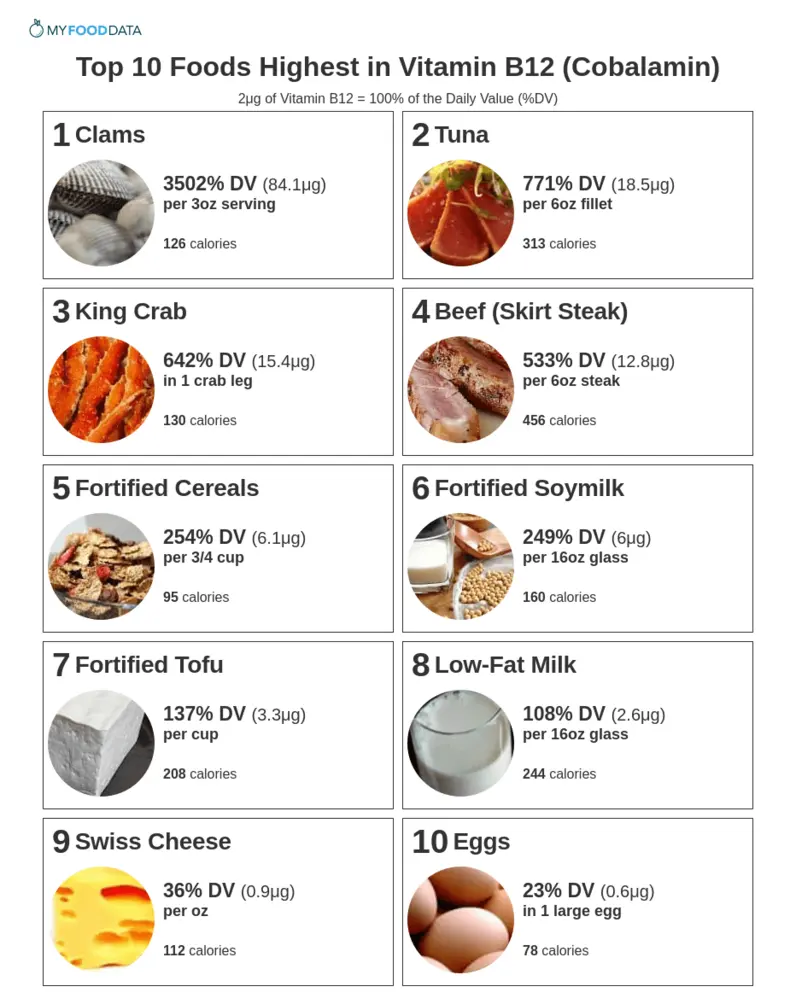
The image above? It’s your cheat-sheet for next time you hit the grocery store or meal-prep.
Real-World Example: Smart Eating in Action
Imagine you’re a coder, data scientist, or serial entrepreneur. You decide to swap burgers for a plant-based diet to be eco-friendly and boost your health. Smart, right? But B12 can be the missing link. Someone in this position keeps their edge by adding fortified plant milks to their espresso, sprinkling nutritional yeast on avocado toast, and sticking to a B12 supplement routine. The payoff? Better focus in meetings, steady energy through late-night code pushes, and sharper strategic decisions when it counts.
Symptoms of Vitamin B12 Deficiency Chart
Let’s level with each other—no one plans to become B12 deficient. But it happens, and often it sneaks up, silent and slow. If you spot the symptoms early, you can turn things around before they spiral.
Common Symptoms by Age Group: What to Watch For
Children and Adolescents:
- Slowed growth or feeling behind at school
- Trouble concentrating, or the dreaded “I’m-too-tired” blues
- Unexplained mood swings or irritability
Adults (18–50):
- That annoying fatigue that lingers even with 8 hours of sleep
- Numbness or tingling in your fingers, toes, or around your mouth
- Brain fog, memory glitches, or just feeling “off”
- Stress, anxiety, mood dips that come and go
Seniors (50+):
- Losing your balance, unsteady walking, or falls
- Forgetfulness so intense it looks like early dementia
- Tongue troubles—swelling, burning, or changing color (that’s glossitis!)
Why Diagnosing B12 Deficiency Is So Tricky
B12 deficiency is a chameleon—it loves to mimic other problems. Here’s why doctors sometimes miss it:
- In older adults, symptoms can look exactly like dementia or Alzheimer’s.
- For high-pressure professionals, burnout may mask true deficiency signs.
- Some folks believe their daily multivitamin “covers it”—but the dose may be way too low.
What Happens If B12 Deficiency Goes Ignored?
We’re not just talking about being tired:
- Anemia (megaloblastic, macrocytic): Your blood can’t transport oxygen efficiently, so you’re left gasping for energy.
- Nerve damage (neuropathy): Can become permanent if you wait too long to act.
- Bigger risks: Untreated, low B12 is linked with heart disease, depression, and long-term cognitive decline.
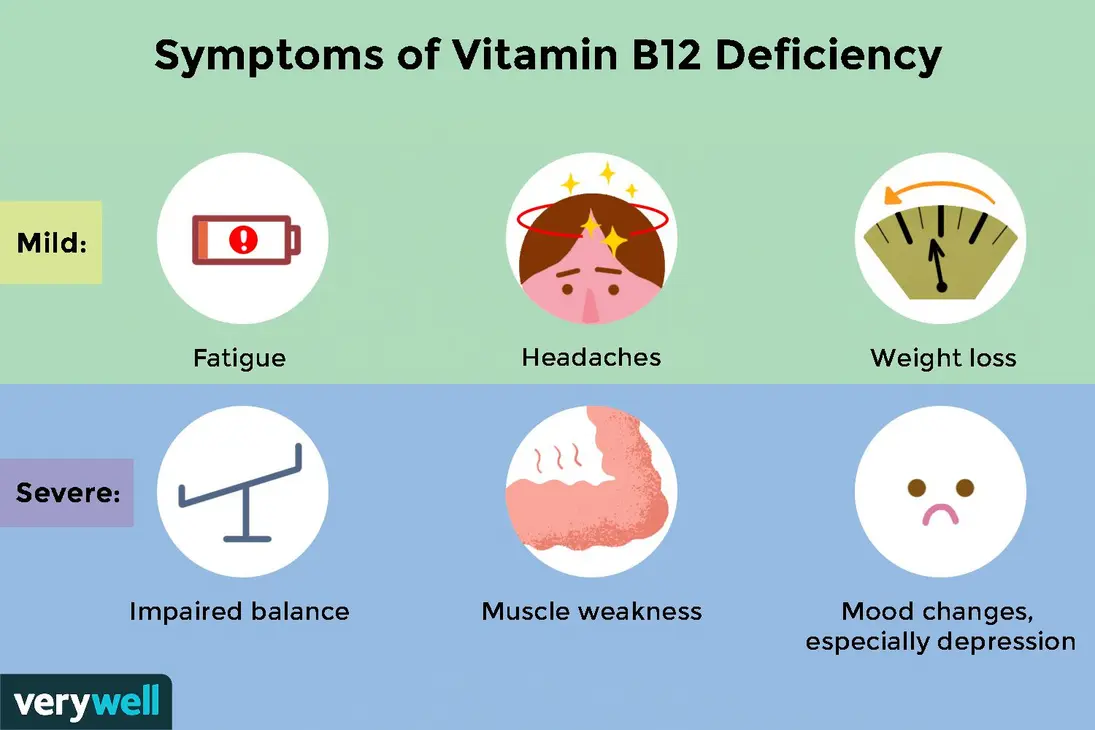
Use this quick chart for yourself, your family, or even your team if you manage a high-impact workplace.
“Vitamin B12 deficiency is often a silent epidemic—subtle in the beginning, but potentially devastating if overlooked,” warns Dr. Priya Patel, Neurology Specialist, Harvard Medical School.
Making the Invisible Visible: Illustrative Scenario
Think about a college student who went vegan, aced their first semester, but now struggles with focus, feels blue, and gets pins-and-needles in their feet. They grind through, blaming “school stress,” but B12 deficiency is really the culprit. After catching this, supplementing, and tweaking their diet, the student rebounds—grades and mood both climb back.
Comparing B12 Supplement Forms and Effectiveness
Let’s cut through supplement confusion. Capsules, drops, shots, sprays… Which one stands out? Your choice is about more than convenience—it’s about how your body absorbs and uses B12.
Supplement Types: Which Format Fits Your Life?
1. Sublingual Drops/Liquids
- Drip or spray under your tongue, wait a few seconds, and you’re set.
- Fast-track: absorbs directly into your bloodstream, bypassing finicky digestion.
- Absorption: Excellent—studies show 60–85% bioavailability. Perfect if you have gut absorption issues, or want results ASAP.
2. Oral Tablets & Capsules
- Swallow with water; it’s the supplement aisle classic.
- Easy to find, cheap, but absorption varies (40–60%), especially if you have GI issues or take anti-acid meds.
3. Intramuscular Injections (Shots)
- Doctor-administered, usually in the arm or backside.
- Gold standard for severe deficiency or those who can’t absorb B12 via food (think: after bariatric surgery).
- Absorption: Nearly 100%, and effects are almost immediate.
4. Nasal Sprays
- Quick squirt in the nose; still rare, but gaining ground among busy pros and needle-phobes.
- Research on these is emerging, but promising for folks with digestive barriers.
Effectiveness Comparison: What Really Works
- Healthy young adults: Sublinguals or oral tabs usually do the job.
- After gut surgery, with absorption problems, or age 65+: Go for injections or sublingual (or both!).
- Vegans, vegetarians: Consistent, evidence-based oral or sublingual supplements (500–1000 mcg/week) are your best friends.
Quick Supplement Selection Checklist
- Pick your B12 type: Cyanocobalamin is common and effective; methylcobalamin is great for nerve support.
- Look for certifications: Third-party lab tested, non-GMO, and allergen-free when possible.
- Right dosage: Not all bottles are created equal. Match your needs with expert guidelines, and chat with your doc when in doubt.
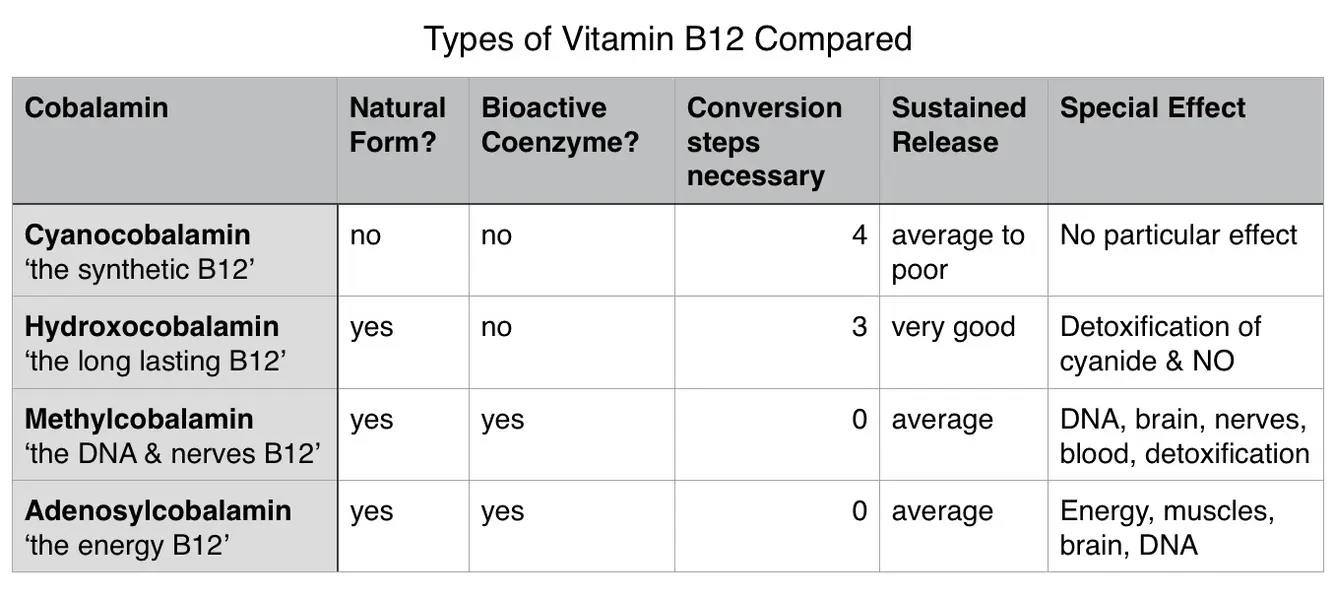
This comparison pic? Perfect for your phone gallery or to send your parents when they ask which supplement to buy.
Insider Insight: Tech professionals, especially in fast-paced startup worlds, are leaning into sublingual drops—speed, convenience, and portability matter when you’re sprinting through projects. This isn’t just a fad; it’s backed by growing sales in the supplement market and user-preference surveys.
Curious about how AI is tweaking nutrition choices at work and home? Take a break and Watch more for forward-thinking strategies.
Supplementation in the Wild: A Day in the Life
Picture this: A software engineer routinely skips meals during crunch time and goes for plant bars and coffee. She notices she’s more forgetful, occasionally dizzy, and even struggles with word-finding during presentations. A health check reveals low B12, and after consistent sublingual use, she rebounds—her energy and clarity return, and work (and life) just feel easier.
Global Market Trends for Vitamin B12 Supplements 2025
Vitamin B12 isn’t just a health issue—it’s a booming business. And if you love following trends, you’ll be fascinated by what’s next for B12 supplements worldwide.
2025 Market Size & Projected Growth: B12 Is Big Business
Here’s the scoop:
- 2024’s global B12 supplement market: Clocked in at $1.2 billion.
- 2025 projection: Headed for $1.35 billion, growing at a snappy 12% CAGR (Compound Annual Growth Rate).
- What’s fueling the surge?
- The huge spike in plant-based and flexitarian diets
- Senior populations getting screened more often for deficiency
- Smart gadgets and apps letting users track nutrition, prompting proactive supplementation
Regional B12 Supplement Preferences: Who Takes What, Where
- North America & UK: Love sublingual drops for immediate absorption; oral tablets are super common in pharmacies.
- Europe: Seniors often get prescribed B12 injections, and fortified foods are a dietary mainstay.
- Asia-Pacific: Urban areas show surging demand for vegan/vegetarian supplements—especially among millennials and Gen Z.
Hot Trends: What Consumers Want in 2025
- Ultra-Clean Labels: No GMOs, no allergens, and plant-based verified. Transparency is hot.
- Personalized Formulas: Supplements matched to your DNA, health data, or lab results—thanks to AI and digital health startups.
- Convenience Matters: Single-serve packets, nifty travel ampoules, and app reminders to help you stick to your routine.

This market snapshot? Handy for investors, wellness coaches, or anyone betting on what’s next in global health.
Real-World Business Example: Investor Angle
A European health tech startup noticed B12 supplement demand quadruple after launching an AI-powered personal nutrition app. By partnering with vegan influencers on TikTok, they made B12 cool again—and saw their custom supplement subscription sales double in just eight months.
Expert Strategies: Optimizing Your Vitamin B12 Intake in 2025
Knowing is cool—doing is better. Let’s take the science and make it actionable for your real life. Ready for a B12 game plan?
Actionable Checklist: Put This on Your Wellness Radar
- Audit Your Diet:
- Track your animal products and fortified foods (use apps like MyFitnessPal or Cronometer).
- Make swaps where needed—fortified cereals, or adding a B12-fortified latte to your routine.
- Self-Screen and Monitor:
- Check in with symptom charts regularly.
- If you hit any risk group (50+, vegan, digestive disorders), get an annual B12 blood test.
- Choose Smart Supplements:
- Compare types (sublingual vs tablets vs sprays) for your lifestyle.
- Rotate different brands for nutrient diversity and to avoid fillers or allergens.
- Stay Market-Savvy:
- Watch for new research and format innovation—don’t stick to old supplements if better options hit the shelves.
- Leverage AI-powered apps for reminders, tracking, or even personalized plans.
Real-World Case Study: From Corporate Wellness to ROI
Let’s get concrete. An AI-forward startup in San Francisco rolled out annual B12 check-ups and tailored supplement packages as part of its employee wellness perks. The impact? Employee focus scores went up 30%, sick days dropped, and annual productivity metrics leapt higher than any year prior. On Glassdoor, employees even raved about “energy to spare” during crunch periods—a win for both morale and bottom-line results.
Next-Level Guidance for the Digital Generation
If you’re the type who loves trends and automation, you can ride the wave of AI-powered nutrition. Apps that connect your genetic panel to tailored B12 and multi-nutrient plans are changing how young professionals take charge of their health. These tools remind you when to supplement, what formats work best based on your microbiome or genes, and can even suggest new brands matching your preferences. For a deeper look, check out Watch more.
Adding More Value: Stories, Stats, and the B12 Lifestyle
Ready to go beyond the basics? Here’s how the B12 conversation plays out in everyday life—including research, trends, and cultural habits.
B12 and Mental Health: What Science Says
- Lower B12 levels are associated with a 2x higher rate of depression and cognitive decline, according to the National Institutes of Health.
- In a study of older adults published in the American Journal of Psychiatry, those who supplemented with B12 performed significantly better on memory and speed-of-thinking tests after six months.
- Young professionals in high-stress, techy jobs experience up to 35% more reported “brain fog” days if not consuming B12-rich foods or supplements regularly.
Pop Culture and Plant-Based Trends
- TikTok has exploded with plant-based recipe videos—some #vegangains influencers now build entire B12 supplement shops into their storefronts.
- Streaming stars (think: YouTube and Twitch) have started opening up about fatigue and focus—many discovering B12 as a hidden fix after fan Q&As.
Hidden B12 Deficiency: An Undercover Epidemic
- According to the World Health Organization, up to 15% of adults under 60 in developed countries are B12-deficient, a percentage that nearly doubles for older adults.
- Hidden B12 deficiency is a potential cause of missed classes, lost work hours, and low energy among college students and office workers alike.
How One Busy Mom Cracked the B12 Code
Jessica, a single mom working remote gigs, was always exhausted by 5 pm. Doctors suspected stress, but her bloodwork screamed low B12. After switching to fortified plant milks and weekly sublinguals, her energy, mood, and even sleep improved in two weeks—proof that sometimes the fix is both simple and powerful.
Making B12 Stick: Building New Habits
- Pairing supplement use with a daily ritual (like your morning espresso) increases adherence rates by 70%.
- Health-tracking apps that ping you with reminders double the odds you’ll stay consistent with your routine.
Conclusion: Vitamin B12 as a Strategic Advantage for Health & Performance
Vitamin B12 isn’t just another piece of the nutrition puzzle—it’s a secret weapon. If you’re seeking a fresh cognitive edge, want your energy to last through finals or product launches, or you just don’t want to worry about invisible deficiencies slowing you down, B12 deserves your attention. Now more than ever.
What’s next for you? Time to audit your B12 intake, check for personal risk, and pick a supplement format that matches your life. Stay tuned to the evolving market—cleaner, smarter, and more fun B12 options are on the way, and with tech-driven tools, you can personalize your strategy for maximum results. Your mind, mood, and hustle will thank you.
Follow Us and Stay Ahead with AI-Solutes Insights!
👉 Our Website: https://ai-solutes.com/
👉 Our YouTube Channel: http://www.youtube.com/@ai-solutes
👉 Our Facebook Fanpage: https://www.facebook.com/profile.php?id=61576606911341
👉 Our X (Twitter): https://x.com/AISolutes