In this improved HTML version, the visual structure of tables, blockquotes, and links has been enhanced for a cleaner reading experience. Tables now use Bootstrap styling for improved readability, while blockquotes feature distinct borders and italicized formatting to highlight key quotes and data insights effectively. Links across the article are clearly visible and consistent, directing users to reference pages and external sources. The layout keeps all original content intact, maintaining informative integrity with better visual presentation.
Everywhere you look in 2026, it feels like the world is in the middle of a massive reboot. Trade routes aren’t just shifting—they’re being redrawn in real time thanks to rising geopolitical tensions. Supply chains are under enormous pressure, forcing businesses to think faster and smarter. Economic nationalism is more than just a buzzword—it’s changing where companies build, buy, and sell. Want to stay competitive? It’s all about bold reskilling, tapping into cleantech opportunities, and riding the energy transition wave. Oh, and let’s not forget AI—those algorithms aren’t just disrupting, they’re transforming every corner of industry. If you’re a tech enthusiast, entrepreneur, or strategy guru, grab your favorite notebook or app, because we’re breaking down the trends, risks, and moves you’ll need to not just survive but thrive in the wild ride of the 2026 global landscape.
Geopolitical Tensions Impacting Trade in 2026
Let’s kick things off where most boardrooms are feeling the heat: global trade is getting a serious shakeup. If you’ve ever watched a thriller set in the world of international shipping, 2026 just might be even more unpredictable.
Just take a look at this map: It shows how trade routes once taken for granted are now up in the air—or rerouted entirely—thanks to escalating geopolitical conflicts. From war zones to newly drawn borders, nations are making moves that send shockwaves through industries, shipping lanes, and commodity markets.

Top Regions and Disruptions in Focus
Let’s spotlight some of the hardest-hit regions and what’s happening on the ground:
- Eastern Europe & Central Asia: Think vital exports like gas and wheat. Conflicts here have led to both rerouted shipments and price spikes in energy and food worldwide. Did anyone expect sanctions to drive the cost of a simple loaf of bread? Probably not, but here we are.
- Asia-Pacific: Maritime disputes aren’t just politics—they hit shipping costs and insurance premiums. Every business relying on regional suppliers is feeling real supply chain jitters. If you’re in logistics, prepare for a bumpy ride.
- Africa & Middle East: Political instability here means raw materials—especially oil and strategic minerals—are subject to rapid swings in accessibility and cost. Mining companies are scrambling for alternative sources.
- North America & EU: Heightened security and fresh sanctions mean more paperwork, more compliance costs, and sometimes, missing out on critical markets altogether.
“74% of C-level leaders rank supply chain vulnerability as their top concern in 2026, directly linked to evolving geopolitical shocks.”
— Gartner Global Trade Outlook 2026
Economic Nationalism: The New Normal
Countries worldwide are going all-in on looking out for Number One. Economic nationalism isn’t just making headlines—it’s rewriting the rulebook. The drive to prioritize domestic manufacturing brings fresh policies and incentives, but it can also mean headaches for global companies suddenly caught in a tangle of new regulations and tariffs.
Here’s what this looks like on the ground:
- Sudden regulatory changes: One minute, you’re clear; the next, export controls kick in.
- Retaliatory tariffs: “Eye for an eye” gets literal when politicians fight back with trade barriers.
- Manufacturing incentives: If you’re in electronics or automotive, you’ve seen job postings and factory construction shift toward local talent.
Some tech titans and electronics giants, worried about being cut off from suppliers abroad, are moving production home. It’s an expensive but strategic pivot to minimize exposure to external shocks.
Strategies for Supply Chain Resilience:
Want to keep your business steady in the midst of chaos? Try these:
- Diversify supplier base: Don’t put all your eggs—or microchips—in one international basket.
- Establish dynamic rerouting models: Think of supply routes like GPS maps—always updating to avoid roadblocks.
- Invest in predictive analytics: Get ahead of threats with smarter forecasting.
- Accelerate automation: Reduce reliance on manual processes and keep things moving if labor gets disrupted.
Real-World Example: Semiconductors and Critical Minerals
Let’s get specific. The semiconductor industry has become ground zero for the ripple effects of economic and geopolitical shockwaves. Sanctions, export controls, and country-specific policies have forced the US, EU, and Asia to invest heavily in homegrown wafer and chip manufacturing. Remember when China changed its rare earth mineral export policy in 2026? Suddenly, everyone from automakers to smartphone manufacturers were hunting for alternative suppliers—Australia, Canada, sub-Saharan Africa all saw a surge in demand.
Companies have responded by mapping out countless scenarios and forming deep alliances with partners in logistics and supply chain management. Why? So they can adapt quickly, no matter how the winds (or policies) shift.
If you want to see how global events actually affect business workflows, check out this resource:
Watch more
It dives into the role of AI in global editorial planning when uncertainty is the only certainty.
Workforce Reskilling Strategies for a Future Economy
Okay, let’s talk people—not just tech. As machines get smarter, businesses face a pressing reality: yesterday’s skill sets won’t cut it tomorrow. If you want to be ready for 2026 (and beyond), there’s no getting around comprehensive talent transformation.
See how individuals are moving from legacy know-how to brand-new expertise in fields like AI, sustainability, and advanced tech:

Why Talent Transformation Is Urgent
Let’s hit you with some stats:
- 56% of organizations worldwide now rank reskilling as their number one survival strategy. The World Economic Forum is ringing alarm bells, saying millions of new tech jobs are just about to pop up.
- 2.8 million new tech-related roles are expected by 2027, thanks to digital transformation and cleantech expansion.
Industry leaders see these shifts:
- AI & Data Analytics: Not just for engineers. Marketing, finance, and HR all demand employees with these skills.
- Sustainability knowledge: Being able to talk ESG metrics and circular economy is now a baseline requirement—even for entry-level hires.
- Operational flexibility: Hierarchies are out, agile teams are in.
Best Practices for Reskilling in 2026
How do real companies get there?
- Skill gap audits: A deep-dive review helps pinpoint what’s missing and what’s next.
- Cross-training programs: Get people learning skills outside their silos.
- Micro-credentialing: Snag bite-sized certifications in hot fields—cybersecurity, IoT, energy management—so you’re never caught flat-footed.
- Mentorship and peer learning: Tap your internal stars to level-up everyone else.
“Investing in agile talent is the single most cost-effective measure against economic volatility and technology-driven displacement.”
— Fadel Mekdad, HR Futurist, TalentX
Sector-Specific Upskilling Insights
Let’s break it down by industry:
- Manufacturing: Operators are now also data analysts, using robotics and predictive maintenance every day.
- Energy & Cleantech: Grid management pros need expertise in battery modeling and EV integration—imagine troubleshooting a whole city’s charging network on a busy Friday night!
- Finance: Blockchain isn’t just for crypto bros. Compliance, risk analytics, digital currencies—these are now bread-and-butter skills.
- Healthcare: Telemedicine, AI-powered diagnostics, patient-centric data approaches—all these are quickly becoming standard practice.
The smartest firms foster cultures where curiosity isn’t just encouraged—it’s rewarded. Open innovation means letting good ideas bubble up from anywhere, no matter which department you’re in.
Comparative Table of Cleantech Investment by Region
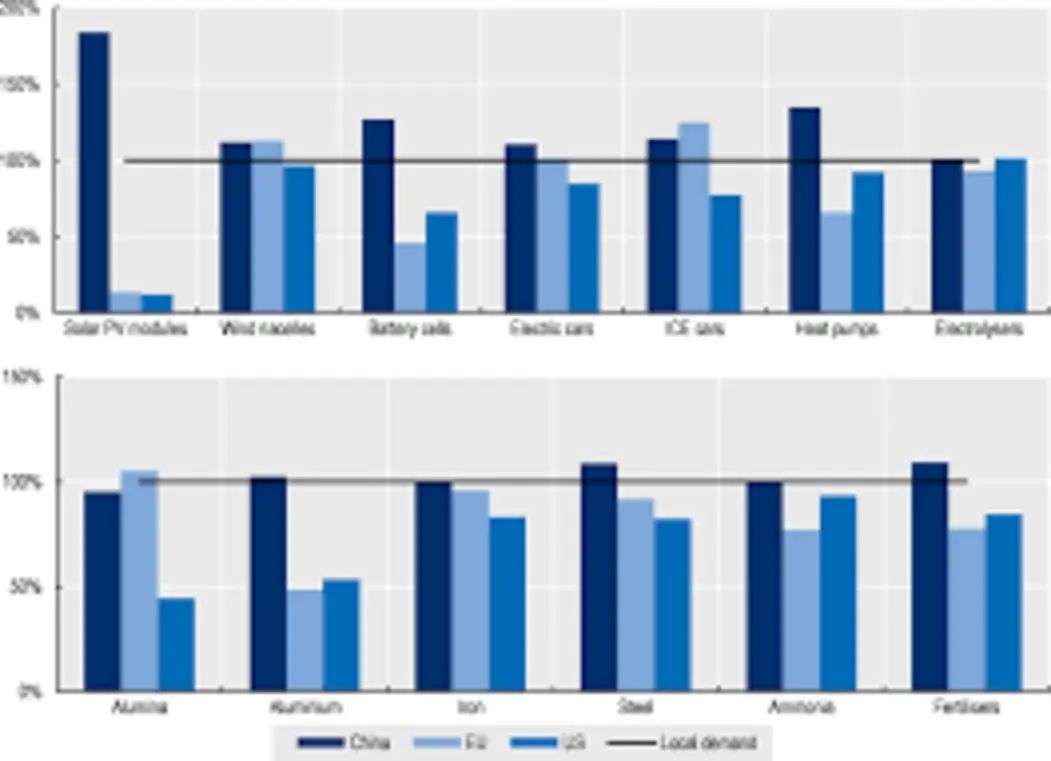
Here’s where the competition is sizzling: cleantech. In 2026, the race to own the future of energy, transportation, and sustainability is heating up with massive investments.
This table shows how the US, China, and the EU are stacking up in the global cleantech league. It’s not just about who spends the most—it’s about who controls the next wave of electric vehicles, energy storage, and the flow of critical minerals.
| Region | Annual Cleantech Investment ($B) | EV Market Share (%) | Critical Minerals Supply Chain Control (%) | Major Policy Incentives |
|---|---|---|---|---|
| US | 412 | 23 | 41 | CHIPS Act, Enhanced EV tax credits |
| China | 557 | 39 | 62 | Five-Year Cleantech Plan, Battery R&D Grants |
| EU | 388 | 29 | 37 | Fit for 55, cross-border carbon tariffs |
Let’s break down what matters in this table:
- China’s not just leading in how much it spends—they’ve nearly locked down control of the mineral supply chains that power everything from EVs to wind turbines.
- The US and EU are hustling—handing out subsidies, forming alliances, and chasing scale.
- Everyone’s localizing supply chains to minimize risk and add resilience.
“Understanding cleantech investment drivers is crucial for anticipating new market gaps and strengthening competitive positions.”
— Lisa Trang, Cleantech Analyst, Greentech Leadership Forum
Actionable Insights for Investors
If you’re putting money into these sectors, here’s how to play smart:
- Benchmark regional incentives: Go where R&D support is the strongest.
- Assess EV supply chain partnerships: Partner with heavyweights to get scale and steady access to what you need.
- Monitor policy changes: Stay nimble—regulations on carbon, minerals, and tech subsidies are always evolving.
Smart investors use transparent data and localized forecasts to guide every big bet in 2026 and beyond.
Global Energy Transition and Cleantech Innovations
Let’s talk about the biggest transformation of all: the way we power our homes, cars, and cities. The world of 2026 is in the middle of an energy revolution, marked by an explosion of renewables, game-changing storage tech, and creative new solutions to old problems.
Check this out—a visual roadmap from dirty fossil fuels to clean electrification, battery innovation, and a genuinely sustainable future:

Technologies Shaping the Energy Transition
Who’s leading the charge? Here are some stars:
- Advanced Battery Storage: Imagine batteries that last longer, charge faster, and keep the grid humming through every weather event. Solid-state and flow batteries are rewriting the book.
- Smart Grid Flexibility: IoT sensors and digital twins let energy managers balance load, reroute power, and respond instantly to surges.
- Green Hydrogen Production: Once just a science fair project, now green hydrogen is reaching commercial scale—helping industries decarbonize with a cleaner fuel.
- Solar PV & Wind Turbines: 2026 is the year of record installations, powering everything from big city metros to remote villages.
- Electrification of Transport: EV fleets are everywhere, backed up by rapid-charging networks from coast to coast.
Why does it matter?
- Massive cuts in emissions, setting a course to meet Paris Agreement goals (and actually making a dent in climate change).
- Lower energy bills for companies who ditch waste and boost efficiency.
- Even supply chains are greener, as businesses switch to clean energy inputs.
“The energy transition isn’t just about environmental stewardship—it’s about sustainable profitability and long-term corporate resilience.”
— Dr. Carmen Leclercq, Energy Innovation Lead
Case Study: Grid Modernization in the EU
Want proof that it pays off? Germany’s power grid overhaul delivered:
- 34% fewer outages
- 21% more renewables in the mix
- $6.5B saved in just three years
Forward-minded companies aren’t just deploying new energy tech, they’re tracking tangible ROI and postseason rewards like ESG scores to future-proof their operations.
AI-Powered Technologies Revolutionizing 2026
No matter what industry you’re in, artificial intelligence is rewriting the playbook. In 2026, AI, automation, and smart robotics aren’t just cool gadgets—they’re changing the way companies operate, launch products, and outsmart competition.
Take a peek into the AI world with this illustration, showing the convergence of intelligent automation, robotics, and digital security:

Top AI Disruption Trends
Here’s where AI makes the biggest waves:
- Industry-Specific Optimization: In manufacturing, AI boosts precision, predicts demand, and can even fine-tune a supply chain in real time. Energy companies forecast loads and spot trouble before blackouts strike. In finance, AI flags fraud before human eyes can blink.
- OT Integration: Operational and IT technologies are meshing closer together—let AI keep the factory running 24/7 with predictive maintenance.
- Robotics Expansion: Robots aren’t just welding cars—they’re customizing products, keeping warehouses moving, and amping up safety for frontline workers.
- Cybersecurity AI: Digital defense systems now learn on the fly, protecting energy grids, hospitals, and international logistics against ever-evolving threats.
“AI is not a tool—it’s an enabler of entirely new strategic paradigms. Winners will be those who harness AI to understand, adapt, and respond far faster than competitors.”
— Miguel Anaya, CTO, FutureAI Labs
Opportunities and Risks
Ready for the silver linings—and the storm clouds?
Opportunities:
- Costs drop as automation takes over repetitive, error-prone tasks.
- Business models evolve in real time, leaving old competitors in the dust.
- Products can be customized and launched faster than ever before.
Risks:
- Data privacy. With more data comes more risk—who sees what, and how is it protected?
- Bias. Automated decision systems need careful oversight to avoid unfair outcomes.
- Regulatory complexity. New rules arrive faster than teams can adapt, especially around AI-driven compliance and transparency.
Best practices for AI success in 2026:
- Invest in explainable AI to keep processes transparent.
- Set up AI ethics panels to guide tech use responsibly—because just because you can, doesn’t always mean you should.
- Go for scalable cloud infrastructure to keep agility at the heart of your operation.
- Update your risk models constantly as AI and OT get more interconnected.
Bringing AI and Cleantech Together
Picture this: Renewable energy networks powered by smart algorithms, self-healing grids, and predictive maintenance. Or robots tuning solar panels for optimal angle based on weather data. It’s not science fiction—it’s today’s reality in progressive firms. Some utilities in Scandinavia, for example, are already running fully autonomous energy dispatch using AI. The result? Less downtime, nearly instant repairs, and unprecedented efficiency.
The Cleantech and AI Revolution: Winning in 2026
2026 is the year organizations face the ultimate test. Whether you’re navigating the twists and turns of the economy, betting big on sustainability, or doubling down on technology, the winners will be those who prepare, adapt, and innovate.
Proactive leaders invest every day in workforce agility, supply chain resilience, and breakthrough innovation. If you’re a tech investor building your next unicorn, or a policy strategist shaping the future, the message is crystal clear: Anticipation and adaptation spell success.
For a deeper dive—and more trends straight from the future—check out:
Watch more
Here, you’ll find out how AI and geopolitics will continue to steer the course of opportunity in years to come.
Conclusion
Surviving and thriving in 2026 is about staying a few moves ahead. Monitor geopolitical shifts, double down on reskilling your talent, scope out cleantech by region, and embrace AI at every layer of your business. Innovation and agility aren’t just buzzwords—they’re your best defense in an era of constant change, sustainability, and strategic opportunity.
👉 Our Website: Watch more
👉 Our YouTube Channel: Watch more
👉 Our Facebook Fanpage: Watch more
👉 Our X (Twitter): Watch more