If you’re reading this piece, you’ll quickly realize it’s more than just a discussion about clothes or monuments—it’s about how tradition and progress can coexist. Before diving into the main sections, think about your last vintage find or your last visit to a historic landmark. Both carry a story, a sense of heritage, and a responsibility to preserve. This article explores how these seemingly different worlds intersect through sustainability, digital transformation, and policy innovations leading into 2025.
Heritage Fashion Trends and World Heritage Conservation: Sustainability, Policy, and Best Practices for 2025
Introduction: Heritage, Sustainability, and the 2025 Imperative
Let’s get real: our globe-spanning history is under threat—sometimes from wild weather, sometimes from wild fashion choices. But in 2025, there’s a sense of urgency (and hope). You can feel it in the earthy textures of a handwoven shirt that’s as eco as it is elegant, or in the precision-restored walls of a city that stood long before hashtags and hybrid cars. Heritage, whether you can wear it or walk through it, links us to countless untold stories. And now, more than ever, sustainability is the common thread running between two seemingly distant tapestries: heritage fashion and world heritage site conservation. As designers stitch purpose into every seam and UNESCO tightens its protective grip on endangered landmarks, both fashionistas and policy nerds are trading old blueprints for bold, innovative maps.
But what does all this actually mean for what you wear, how you travel, or even think about “legacy”? Ahead, you’ll get not just a bird’s-eye view, but an insider’s look—complete with honest case studies, policy breakdowns, and practical steps you can use or champion, no matter which side of the runway or landmark gate you’re on.
Section 1: What Is Heritage Fashion? A Modern Definition for 2025
Redefining Fashion Heritage
Let’s bust a myth right away—heritage fashion isn’t just about digging through grandma’s closet or celebrating “retro” for the sheer fun of it. In 2025, it’s an evolving mindset. Think of it as a vibe: part reverence for old-school crafts, part cutting-edge tech, and a big dash of eco-intent. Heritage fashion borrows from the grand tapestries of history—be it traditional Japanese indigo dyeing or Scottish tartan weaving—but it’s not stuck there.
Today’s heritage-inspired brands are making waves by integrating contemporary silhouettes, socially-conscious initiatives, and digital transparency tools. It’s style that looks backward, steps forward, and asks, “How can I matter for the next 100 years?” Not just “How do I look in this IG reel?”
“Heritage fashion is a living legacy—not just a look, but a philosophy of mindful making, responsible consumption, and appreciation for the narrative embedded in each garment.”
— Dr. Anika Kapoor, Textile Historian
Key Characteristics of Heritage Fashion in 2025:
- Historical Roots, Modern Twists: Classic patterns get remixed into streetwear, haute couture, and everything in between.
- Quality and Longevity: Buy less, choose well, make it last—that age-old advice is the new rule.
- Artisan Collaboration: Supporting real craftspeople (not just factories with a “handmade” sticker).
- Storytelling and Transparency: That jacket comes with a story and, increasingly, a QR code.
Sustainable Fashion Heritage: The 2025 Shift
The word “heritage” might once have meant “nostalgia.” Now, it’s shorthand for a future-facing, sustainable attitude—including materials, methods, and mindset.
Here’s what’s trending:
- Eco-friendly fabrics: From certified organic cotton to recycled wool, from bamboo fibers to plant-based dyes that whisper “I’m gentle on the earth.”
- Handcrafted techniques: Imagine embroidery learned at a master’s knee, hand-loomed textiles, and even shoes sewn without plastic-based glues.
- Digital traceability: Blockchain-backed supply chains are becoming the norm, not the exception. Shoppers scan a code to trace the garment’s path from sheep (or seeds!) to store.
- Extended lifecycles: These aren’t one-season wonders. We’re talking clothes designed to be reworn, repaired, and easily upcycled.
Why Does This Matter?
Let’s look at the numbers. The global fashion industry is valued at an eye-watering $2.5 trillion (Statista, 2024). But it’s also one of the world’s biggest polluters—think overflowing landfills, chemical-laced rivers, and poorly-paid laborers. Heritage brands, with their focus on artisanal skills and strong identities, are uniquely set to drive change. Many already revolve around slow fashion, making “timeless” mean something that’s as good for the next generation as it is for this one.
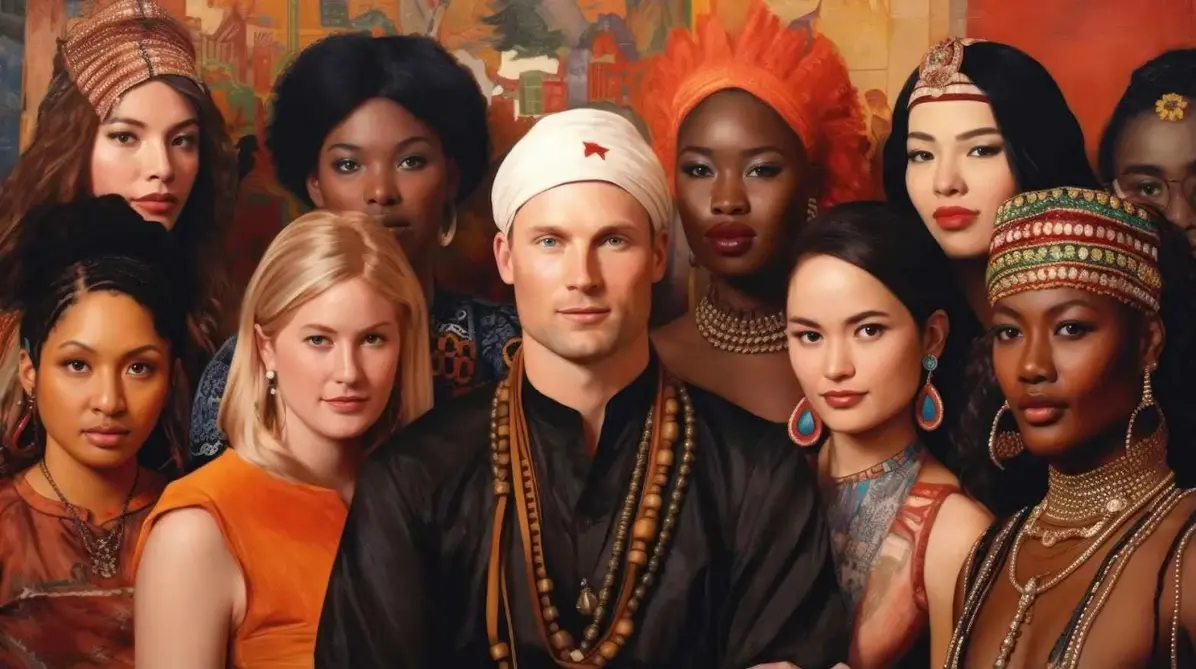
Visual examples of sustainable fashion innovations: note the fusion of traditional craftsmanship and modern eco-friendly materials.
A real-world pop culture example? Check out how brands like Levi’s are reviving original Selvedge denim, matching century-old weaving with new eco-stretch fibers, and then letting customers repair their jeans for free. It’s not just old-school cool; it’s genuinely sustainable.
Section 2: Men’s Heritage Fashion—Craftsmanship and the Eco-Resurgence
Classic Menswear, Contemporary Ethics
Men’s heritage fashion is crushing the stereotype of “boring basics” in 2025. Sure, there’s still room for tweed jackets and crisp Oxford shirts, but now it’s all about the why and how they’re made. Think “rugged with a conscience.” Brands are reimagining old classics—those bombers and bombproof boots—by asking: Can we lower our footprint? Can we make this jacket not just last, but tell a story?
What Sets Today’s Men’s Heritage Fashion Apart?
- Artisanal tailoring: Suits and jackets are constructed from locally grown fibers or creatively upcycled materials (old military blankets, anyone?).
- Modular design: Some labels create suits with interchangeable elements, making pieces easy to repair or update for new styles.
- Cultural collaborations: Big names are now working with indigenous craftspeople—not just to “borrow” patterns, but to co-design and return profits to artisan communities.
Spotlight brands like Patagonia, Barbour, and Drake’s have paved green paths for others to follow, integrating organic wool, recycled linings, and repair programs. Smaller startups, like Outland Denim and S.C. Barbour, are getting attention for their radical transparency and full-circle aftercare services.
Consumer Data: Market Shifts in 2025
Not convinced this matters? Numbers talk:
- A 2024 Ethical Fashion Initiative survey showed that 73% of men under 35 prefer brands with a proven track record in heritage and sustainability.
- 61% said they’re willing to spend 15–25% more if sourcing and repairs are guaranteed.
That’s a TikTok-worthy trend if we’ve ever seen one.
Section 3: Fashion Heritage vs. Fast Fashion—Why It Matters
Fast Fashion: Rapid Style, Rising Waste
Let’s play it straight: fast fashion is the TikTok of clothing—blink and it’s gone. Fun, convenient, but at what cost? The business model that gave us $10 T-shirts and endless Instagram micro-trends also generated mountains of waste and carbon footprints that won’t fade after 15 seconds.
In contrast, heritage fashion operates like your favorite indie playlist: slow to build, rich in nuance, and meant to stick around. Here’s the vibe:
- Quality over quantity: Fewer, better pieces.
- Community roots: Building supply chains that uplift, not exploit.
- Built for keeps: Clothes worth repairing, not replacing.
“Heritage fashion may cost more upfront, but its value compounds over decades—financially, emotionally, and ecologically.”
—Elena Vermeer, Sustainability Analyst
Comparative Table: Heritage Fashion vs. Fast Fashion (2025)
| Feature | Heritage Fashion | Fast Fashion |
|---|---|---|
| Materials | Natural, recycled, local | Synthetic, imported |
| Production Speed | Moderate/Slow | Very Fast |
| Labor Practices | Artisanal, fair | Often exploitative |
| Longevity | Decades | Weeks/Months |
| Environmental Impact | Low/Moderate | High |
| Digital Traceability | Increasingly common | Rare |
Let’s make it real: A pair of authentic Goodyear-welted boots (think Red Wing, Viberg) might set you back more up front, but they’ll survive years—maybe even generations—of wear. Contrast that with ultra-cheap sneakers that hit the bin after a festival season. Which would you rather hand down?
Section 7: Comparative Overview—Heritage Fashion vs. Heritage Site Management
Common Themes
What do an upcycled Harris Tweed blazer and the restoration of the Taj Mahal have in common? More than you might think:
- Sustainability-first thinking: Both industries are pushing for practices that outlast fads and quick wins.
- Transparency: Fashion has blockchain; heritage sites have live-tracked sensors and public dashboards.
- Community-centric models: Whether you’re buying from a local weaver or supporting a grassroots temple restoration, people come first.
Key Differences
| Feature | Fashion Heritage | World Heritage Site Management |
|---|---|---|
| Core Objective | Apparel, accessorizing legacy | Preserving landmarks, education |
| Main Threats | Fast fashion, greenwashing | Climate, development, conflict |
| Sustainability Focus | Materials, supply chains | Land use, resource management |
| Tech Innovations | Traceability, circularity | Remote sensing, digital twins |
| Stakeholder Spectrum | Consumers, brands, artisans | Governments, NGOs, locals |
It’s the difference between producing a legacy you can wear versus a legacy you can visit. But both matter—both are under threat and ripe for innovation.
Section 12: Practical Summary & Takeaways
Here’s what we’ve learned:
- Heritage fashion and heritage site conservation are converging on the big themes of sustainability, digital transformation, and radical transparency.
- In 2025 and beyond, those who keep it real—prove where, how, and who made their goods, or who saved that stone wall—will win hearts and headlines.
- Don’t fear tech! Whether it’s blockchain in your jacket label or AI in your conservation office, authentic digital adoption is paving the way for tradition to thrive.
Quick Guide: Sustainability Best Practices 2025
| Sector | Action 1 | Action 2 | Action 3 |
|---|---|---|---|
| Heritage Fashion | Local sourcing | Digital supply chain docs | Repair/upcycle incentives |
| World Heritage Site | Community stewardship | Remote sensing/AI | Adaptive, sustainable tourism |
Heritage is not static. It is an evolving pact between tradition and progress—our duty is to steward it wisely.
- Choose the Best Keto Bread in 2026: Zero Net Carb, High-Protein, and Keto Sourdough Top Picks
- Does Text Revolutionize Omnichannel Support? Evaluating the Text Customer Communication Suite
- Draw3D
- Will FullEnrich Enhance Contact Data? Assessing the Fullenrich Lead Enrichment Tool
- Say Goodbye to Manual Retopology: Streamlining 2D-to-3D Workflows Effortlessly with Tripo AI