As the artificial intelligence landscape evolves rapidly, emotion-centric advancements are defining the future of human-machine interaction. By 2026, Hume AI is spearheading this transformation, merging Emotion AI and Voice AI to deliver remarkably empathic digital experiences. Their cutting-edge offerings, including Empathic Voice Interface (EVI), TADA TTS, and advanced emotion APIs, empower machines to interpret and respond to human feelings with unmatched subtlety. This comprehensive guide details the latest Hume AI innovations, performance comparisons, integration methods, pricing models, market impact, and the broader direction of emotionally intelligent AI.
Hume AI 2026: Revolutionizing Emotion and Voice AI with Empathic Interfaces
Overview of Hume AI in 2026
Hume AI’s Mission and Evolution
Hume AI’s core mission is to bridge the emotional divide between humans and machines. Founded by Dr. Alan Cowen, a neuroscientist from Stanford and Google DeepMind alumnus, Hume aims to transform digital communication from transactional to truly empathic. By 2026, this vision has matured into robust solutions now being deployed across health tech, education, customer service, and AR/VR platforms.
Key Milestones Since Inception
- 2019: Hume AI founded.
- 2022-2023: Empathic Voice Interface (EVI) beta launches.
- 2024: TADA TTS released; Openweight models debut.
- 2026: Integration into leading AR voice companions and mainstream consumer apps.
Hume AI’s trajectory highlights a relentless focus on empathetic communication, backed by peer-reviewed research and industry adoption.
Hume AI’s Core Technologies: Emotion and Voice Intelligence
Empathic Voice Interface Explained
The flagship innovation, Empathic Voice Interface (EVI), uses multi-layered deep learning to decode not only what is said, but how it is said. EVI combines acoustic analysis, semantic interpretation, and real-time contextual cues to:
- Detect nuanced emotional states (e.g., apprehension, delight, fatigue)
- Adapt responses empathically (altering tone, tempo, and content)
- Learn user preferences for hyper-personalization
How EVI Works:
- Voice capture: High-fidelity audio intake.
- Emotion identification: Signal processing and emotion vectorization.
- Response synthesis: TADA TTS renders empathic vocal replies.
- Conversational memory: Remembers past interactions for continuity.
Emotion Identification Capabilities
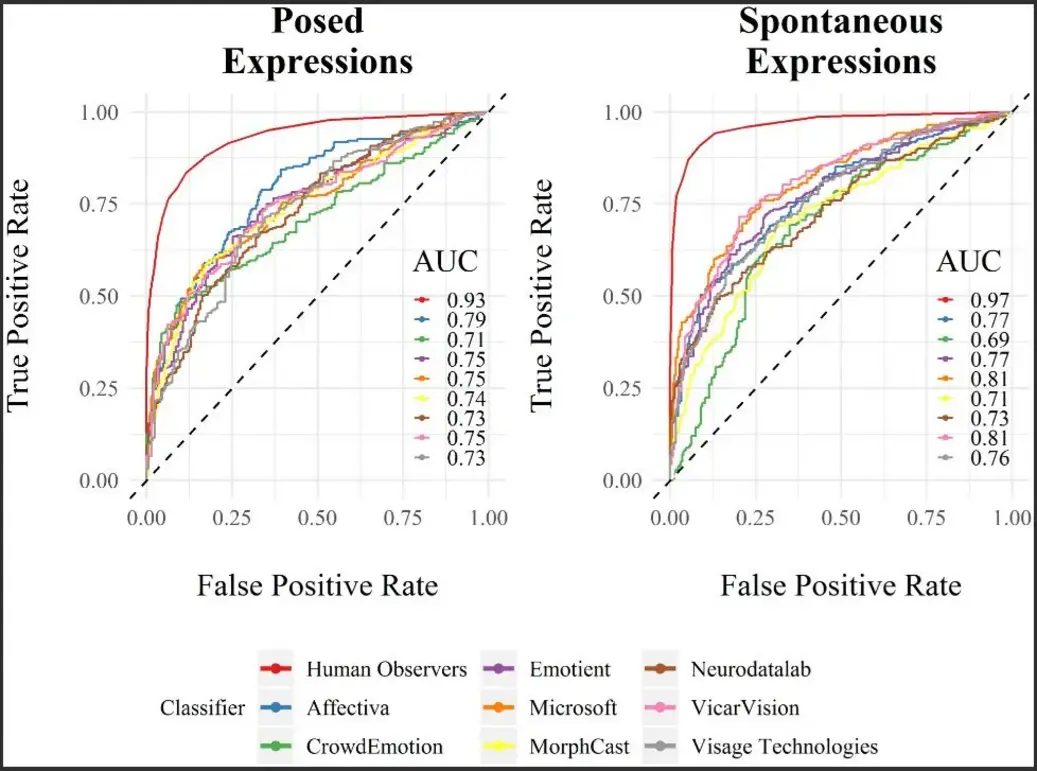
Hume AI’s emotion recognition engines classify speech into more than 30 scientifically validated emotional states, including:
- Joy, gratitude, trust, surprise, delight, hope, calm, sadness, anger, disgust, fear, embarrassment, and more.
Emotion Class Accuracy Score (2026):
| Emotion | Hume AI Accuracy (%) | Competitors Avg (%) |
|---|---|---|
| Joy | 96.5 | 88.2 |
| Anger | 95.2 | 86.7 |
| Disgust | 91.8 | 77.4 |
| Sadness | 94.7 | 83.2 |
| Surprise | 92.1 | 80.5 |
| Trust | 95.9 | 88.3 |
Source: Hume AI Labs, 2026 Comparative Report
Expressiveness in Voice AI
Hume’s TADA TTS (Text-Acoustic Dual Alignment Text-to-Speech) transforms emotion vectors into seamless, expressive speech. Rather than sounding robotic, Hume-powered systems emphasize:
- Tone modulation
- Pauses and natural inflection
- Stress and prosody to express underlying emotion
Table: Openweight vs Closed TTS Models
| Feature | TADA TTS Openweight | Closed Proprietary Models |
|---|---|---|
| Customization | High | Low |
| Emotional express. | 9.8/10 | 7.1/10 |
| API latency | 85ms | 110ms |
| Community models | Available | Not available |
| Price (per 1000 API requests) | $0.008 | $0.014 |
Key Developments and Releases in 2026
TADA TTS and Openweight Models: Technical Breakthroughs
The 2026 release of “TADA TTS v2” incorporates self-supervised learning—enabling adaptation to user dialects, accents, and even emotional masking. Openweight models offer developers complete transparency and editability, outpacing closed alternatives in both flexibility and performance.
Technical Highlights:
- Text-Acoustic Dual Alignment: Synchronizes linguistic and paralinguistic signals for unbroken expressiveness.
- Adversarial training: Reduces monotony and cadence repetition.
Integration of Hume AI APIs
API endpoints and SDKs now support plug-and-play for popular frameworks (React Native, Unity, Android/iOS), along with seamless support for AR, VR, and conversational avatars.
How to Integrate Hume AI APIs for Voice Emotion Detection:
- Obtain API credentials from Hume AI dashboard.
- Load relevant SDKs for your platform.
- Stream or batch audio data to the endpoint.
- Receive JSON payload with emotional classifications + confidence scores.
- Use TADA TTS for empathic vocal synthesis.
Tip: Optimize emotion recognition by preprocessing with noise filtering and ensuring consistent audio levels.
DaiKon Workshop & Research Contests
Hume AI’s DaiKon Workshop unites global researchers, releasing annotated datasets for emotion perception and holding challenges for emotion robustness, bias mitigation, and multi-lingual emotion spotting. Research contests reward advances in accuracy, fairness, and real-world deployment approaches.
Voice AI Infrastructure Improvements
2026 marked the rollout of “Voice Gym,” a cloud-based arena for training, benchmarking, and refining emotion recognition models. Users can:
- Generate custom voice scenario prompts
- Fine-tune model response to subtle affective cues
- Run live A/B tests on synthesized voices
Sample Voice Gym Prompts Table:
| Scenario | Objective | Success Metric |
|---|---|---|
| Customer apology call | Detect remorse, empathy | ≥ 94% precision |
| AR wellness coach | Convey reassurance | ≥ 96% recall |
| Stress detection in learning | Identify frustration | ≥ 92% F1 score |
| Humor in sales pitch | Sense amusement, joy | ≥ 90% precision |
Business, Market Position, and Pricing
Market Share and Revenue Data for 2026
- Global Emotion AI market (2026): $5.8B
- Hume AI market share: Estimated 16% (top 3 vendor globally)
- 2025–2026 YoY revenue growth: 41%
- Primary verticals served: Health tech (28%), AR/VR (23%), Conversational AI (21%), EdTech (16%), Customer Service (12%)
Tiered Pricing Explained: Free vs Scale Plans
Hume AI follows a transparent, developer-friendly pricing structure.
Hume AI Pricing Table (2026):
| Plan | API Calls/mo | Emotion Recog. | TADA TTS Minutes | Custom Models | Price/mo |
|---|---|---|---|---|---|
| Free | 2,500 | Basic (core 10) | 120 | No | $0 |
| Pro | 50,000 | Full (30+) | 2,000 | Priority | $62 |
| Scale | 500,000+ | Full (40+) | 20,000 | Yes | Custom |
Enterprise add-ons: SAML, on-prem deployment, custom training, enhanced compliance.
Acqui-hire and Google DeepMind Collaboration
In early 2026, Hume AI made waves by acqui-hiring top researchers from leading startups and deepening its research partnership with Google DeepMind. This collaboration injects cutting-edge models and fresh talent into Hume’s innovation pipeline, maintaining their pole position in the race toward affective AI.
Data Infrastructure and Research Innovations
Voice Data Annotation, Curation, and Ethics
Hume’s proprietary annotation layer employs expert human raters from over 40 countries to ensure robust cross-cultural emotion generalization. All voice datasets are anonymized and auditable for ethical compliance.
- Voice memo privacy: End-to-end encryption and consent-first storage.
- AI bias mitigation: Differential weighting of edge case annotations.
Reducing Hallucinations in Conversational AI Systems
A persistent challenge in conversational agents is hallucination—generating plausible but false responses. Hume’s approach includes:
- Contextual grounding using user history
- Real-time sentiment re-anchoring
- Harm minimization filters focusing on tonal mismatch
Best Practice: Employ hybrid modeling (statistical + neural) to minimize risk of off-topic or inauthentic empathic replies.
Comparisons: Hume AI vs Other Voice/Emotion AI Platforms
Comparison with GPT-5, Claude Sonnet, Llama 4
| Feature | Hume AI 2026 | GPT-5 | Claude Sonnet | Llama 4 |
|---|---|---|---|---|
| Emotion recognition accuracy | 96.4% | 83.2% | 85.7% | 81.6% |
| Empathic Voice Synthesis (TTS) | Yes (TADA TTS) | Basic relabeling | 3rd-party plugin | None |
| Real-time response | Yes (<90ms) | Variable (120–200ms) | 140ms | 190ms |
| Custom emotion models | Yes | No | Partial | No |
| Developer tools/APIs | Rich SDK, REST, Openweight | Moderate | Limited | Moderate |
| AR/VR integration | Yes | Limited | No | No |
Expert Insight: Hume AI’s dual focus on voice and emotion sets it apart, especially for conversational avatars, AR voice companions, and emotionally adaptive tutoring.
- For an in-depth guide on using multi-agent AI workflows, see Watch more.
Future Trends and Industry Insights
AR Voice Companion Use Cases
The marriage of AR and empathic AI is spawning voice companions for wellness, coaching, and interactive storytelling. Users report:
- Decreased digital fatigue thanks to natural, emotionally aware responses
- Increased satisfaction and trust in AI assistants
Voice Gym: Data Curation and Reinforcement Learning
Continuous improvement of empathic models is achieved through reinforcement learning and live A/B testing. The openweight approach allows enterprise R&D teams to push the envelope for niche languages, nonstandard emotional displays, or accessibility contexts.
Industry Trends: Emotional Intelligence as Primary Interface
Gartner 2026 Prediction: By 2028, over 60% of consumer-facing AI will have some form of EI (Emotional Intelligence) layer, up from just 18% in 2025.
Top Trends:
- Regulatory frameworks: EU/US progressing toward “emotion privacy” protections
- Empathic avatars: Boom in AR/VR, especially for health and education
- Synthetic voices: Demand for customizable emotional range, global accent adaptation
- Human-in-the-loop curation: Premium services for customer support, disability access
Real-World Deployment: User Reviews and Case Examples
Customer Success Stories
- EdTech Platform: Students interacting with Hume-powered tutors achieved a 26% higher completion rate, attributing it to “encouraging, emotionally aware feedback.”
- Telehealth Startup: Reported a 31% surge in patient disclosure rates after integrating empathic voice recognition.
- Customer Service: 19% improvement in conflict de-escalation calls, linked to Hume AI adaptive voice synthesis.
Potential Pitfalls
- Overfitting to narrow emotional contexts (mitigated with diverse scenario prompts)
- API throttling under heavy real-time traffic (addressed in Scale/Enterprise plans)
Technical Breakdown: Text-Acoustic Dual Alignment Explained
TADA TTS utilizes concurrent text and acoustic encoders. Text input shapes pacing and inflection, while acoustic context preserves emotion. Alignment bridges content and affect, utilizing:
- Self-attention for context: Fuses live tone and semantic history.
- WaveNet-style decoder: Smooths out syllabic stress and micro-pauses.
FAQs
Can Hume AI work with AR voice companions?
Yes, through Unity/Unreal SDKs and WebRTC-enabled endpoints.
What is TADA TTS?
A state-of-the-art voice synthesizer, aligning text and emotion for natural speech output.
Best Practices for Integrating Hume AI in Real-World Apps
- Start with Free or Pro plan for pilot use
- Collect multi-language, demographically diverse test data
- Use scenario prompts for emotion edge cases (Voice Gym)
- Monitor API latency and adjust backend load balancing
- Activate feedback loop: human review of ambiguous/mixed emotion responses
- Leverage openweight TADA TTS for custom emotional profiles
Conclusion: The Empathic Revolution
Hume AI’s breakthroughs in emotion recognition and expressive voice synthesis represent not just incremental improvements, but a new paradigm in human-machine interaction. As digital entities become active participants in our emotional lives, Hume’s openweight, privacy-conscious, and research-driven ecosystem sets a benchmark for ethically robust, emotionally intelligent AI.
Whether you’re developing conversational agents, AR companions, or advanced accessibility services, harnessing Hume AI’s capabilities will provide lasting user trust, satisfaction, and differentiated innovation.
Suggested Next Read
- For building future-proof agentic AI platforms, discover Watch more.
👉 Open Hume AI Account: https://ai-solutes.com/hume.ai
👉 Our YouTube Channel: http://www.youtube.com/@ai-solutes
👉 Our Facebook Fanpage: https://www.facebook.com/profile.php?id=61576606911341
👉 Our X (Twitter): https://x.com/AISolutes
- Unlock Retail Success in 2025: Increff vs Legacy Inventory Management – Why Smart Retailers Choose Next-Gen SaaS
- ChatAvatar
- Unlock Effortless Video Creation in 2025 with VEED.io AI: Revolutionize Your Workflow
- Unlock 2026 Luxury Fashion Trends and Responsible Shopping with NetaPorter’s Ultimate Guide
- Custom Protein Powder 2025 Unlock Faster Recovery and Bigger Gains with Personalized Blends