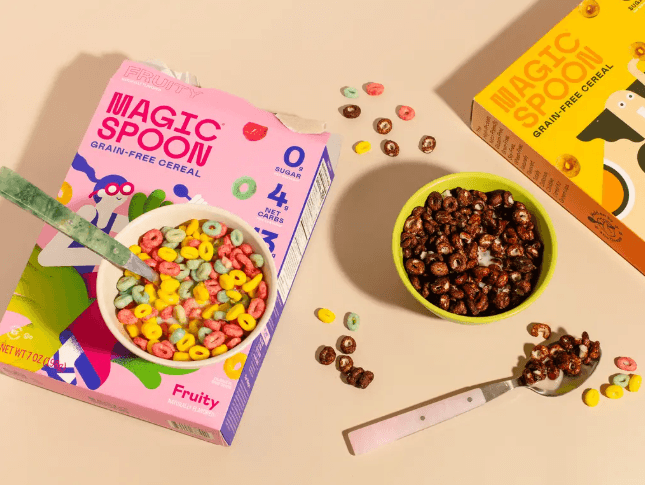
Welcome to a comprehensive visual guide to Magic Spoon Cereal, crafted to inspire your healthy breakfast transformation. In the content that follows, you’ll find rich details about Magic Spoon’s ingredient innovations, flavor variety, consumer sentiment, and impressive market growth. This improved layout not only provides in-depth product and business insights, but also enhances readability and engagement through visually updated tables, links, and blockquotes. We’ve carefully structured and styled comparison tables and interactive links, so you can easily compare nutrition facts, explore flavors, and access related content. Dive in to discover if Magic Spoon is the breakfast revolution you’ve been looking for!
Magic Spoon Cereal: The Ultimate Guide to High Protein, Keto-Friendly Breakfast
Magic Spoon Cereal: Brand Overview and Mission
Founded to challenge everything we know about breakfast, Magic Spoon Cereal aims to deliver classic cereal taste—without the carbs, sugar, or artificial ingredients. The brand has become synonymous with guilt-free nostalgia, inviting health-minded adults and families to enjoy their childhood favorites, reimagined for today’s dietary needs.
Magic Spoon’s Founders and Start-Up Story
Magic Spoon was launched in 2019 by childhood friends Gabi Lewis and Greg Sewitz. Frustrated by the lack of healthy cereal choices for adults, they recognized an opportunity: create a cereal packed with protein, free from sugar, but still fun and flavorful. The name “Magic Spoon” itself is a nod to the transformative experience they wanted consumers to feel—a magical return to the joys of cereal, without compromise.
How Magic Spoon Reimagines Classic Cereals
By blending modern nutritional science with the nostalgia of retro-inspired flavors, Magic Spoon differentiates itself through:
- Zero added sugar
- High-quality milk protein isolate as a core ingredient
- Grain free, gluten free recipes
- Exceptionally low net carbs per serving
- Bright, playful branding mirroring classic cereals
For example, Fruity, Frosted, and Peanut Butter flavors are familiar in taste but thoroughly updated for today’s ingredients-conscious, health-focused market.
Comprehensive Product Portfolio of Magic Spoon
Magic Spoon’s product line spans several innovative formats that cater to diverse dietary needs and snacking habits, always centered around keto cereal and high protein breakfast.
List of Magic Spoon Product Types
Magic Spoon now offers:
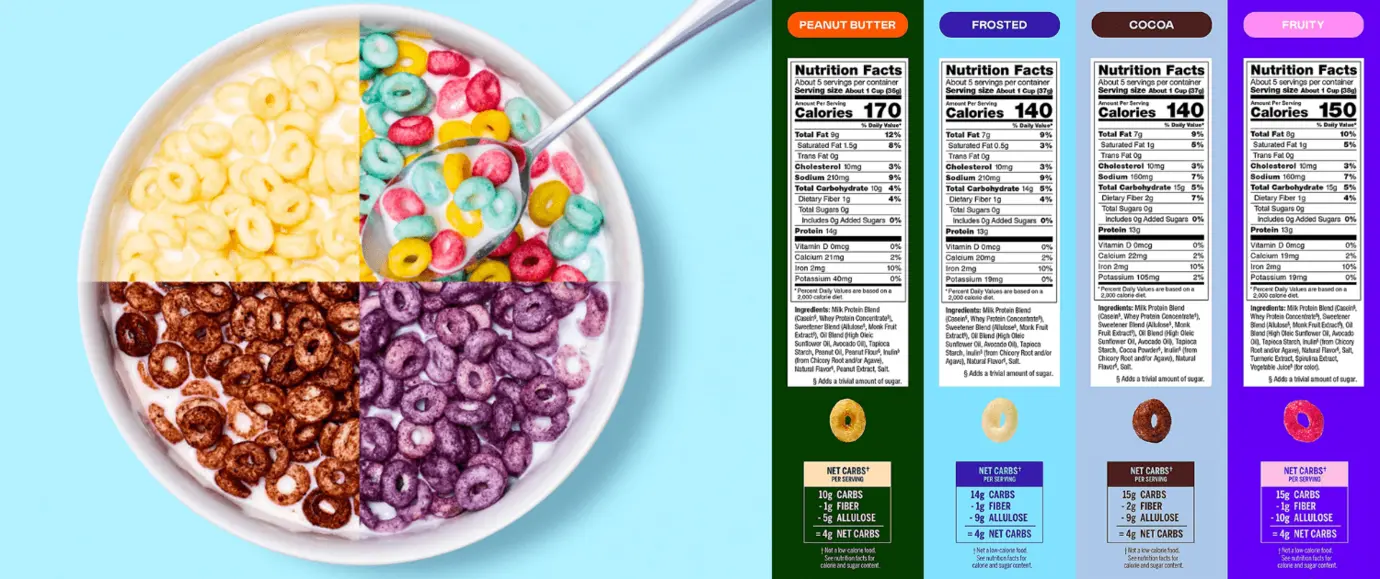
- Classic Cereals: The flagship product with 12–14g protein per serving, 0g sugar, and 3–4g net carbs
- Granola: Grain free, higher in healthy fats, low sugar, and still gluten free
- Treats: Protein-forward cereal bars and snackable clusters
- Pastries: Breakfast pastries (like toaster pastries) with improved nutrition stats
Magic Spoon’s cereal variety packs and single-flavor boxes allow for both variety-seeking and loyalist shopping behaviors.

List of Popular Magic Spoon Flavors
Magic Spoon offers both permanent and limited-edition flavors, leveraging nostalgia:
- Cocoa
- Fruity
- Frosted
- Peanut Butter
- Cinnamon Roll
- Maple Waffle
- Blueberry Muffin
- Cookies & Cream
- Honey Graham
- Birthday Cake (seasonal)
- …and more, with rotating seasonal launches and online exclusives.
Flavor and Product Variety Table
| Product Type | Core Flavors | Seasonal/Limited |
|---|---|---|
| Cereal | Cocoa, Fruity, Peanut Butter, Frosted | Maple Waffle, Birthday Cake |
| Granola | Peanut Butter, Chocolate Chip | Cinnamon Roll |
| Treats/Clusters | Cocoa, Frosted, Fruity | S’mores |
| Pastries | Brown Sugar Cinnamon, Blueberry | Honey Graham |
Magic Spoon’s Business Growth and Market Success
Since its 2019 debut, Magic Spoon has demonstrated explosive growth both in the direct-to-consumer (DTC) space and in physical retail.
Retail Expansion and Distribution Channels
While Magic Spoon started as an online-only brand, it quickly expanded:
- Available nationwide in major retailers including Target, Walmart, Whole Foods, Sprouts, and Kroger
- Massive ecommerce presence through magicspoon.com and Amazon
- Strategic partnerships with specialty grocers and gyms
Year-Over-Year Retail Growth
Magic Spoon reported a 35%+ annual increase in retail placement year-over-year, with shelf space expanded from 2,000 to 6,500+ retail doors as of late 2025.

Revenue, Employee Count, and DTC Strategy
- Revenue: Exceeded $50M in 2025, up from $10M in its first full year
- Employee Count: From a handful to 150+ employees spanning marketing, food science, and logistics
- Customer Milestones: Over 1 million unique customers and 80,000+ 5-star reviews (2026)
- $77M total raised from investors including Lightspeed Venture Partners, with the company remaining privately held
Online Sales vs. Retail Sales
Initially, most sales came via online orders and DTC subscriptions, which allowed Magic Spoon to cultivate deep customer loyalty and a data-rich feedback loop. As retail store coverage grew, retail sales have overtaken DTC by 2026, but subscription and multi-pack options remain core to their business and branding.
Strategic Product Development: Protein and Nostalgia
Nutritional Features: Protein, Carb, and Sugar Breakdown
- Protein: 12–14g per 34g serving (nearly triple classic cereals)
- Net Carbs: 3–4g (vs. 20–45g for traditional cereal)
- Sugar: 0g added sugar (sweetened with allulose, stevia, and monk fruit)
- Fat: 4–6g, coming from coconut oil, avocado oil, and nut butters
- Fiber: 1–3g for satiety and gut health
Quick Reference: Magic Spoon Nutrition vs. Kellogg’s Frosted Flakes
| Brand | Protein | Net Carbs | Sugar | Fiber | Gluten Free |
|---|---|---|---|---|---|
| Magic Spoon (Cocoa) | 13g | 4g | 0g | 2g | Yes |
| Kellogg’s Frosted Flakes | 1g | 30g | 11g | 1g | No |
| Cheerios | 3g | 20g | 1g | 3g | No |
| Three Wishes (Health alt.) | 8g | 3g | 3g | 3g | Yes |

Market Positioning: Magic Spoon vs. Traditional Cereal Brands
Magic Spoon is at the intersection of several significant consumer trends: high-protein snacking, the keto movement, and the desire for less-processed foods. Classic cereal brands, with their high sugars and refined grains, increasingly look outdated compared to innovative entrants like Magic Spoon.
Comparing Magic Spoon to Standard Cereal Brands
- Taste/Texture: Many customers report that “Magic Spoon is just as crunchy and satisfying as the cereals I loved as a kid—but without the guilt.”
- Sweeteners: Classic cereals use refined sugars and syrups; Magic Spoon uses allulose, a rare sugar that doesn’t raise blood sugar, plus monk fruit and natural flavors.
- Dietary Needs: Gluten free, grain free, soy free, non-GMO; fits keto, low carb, diabetic, and paleo lifestyles.
Consumer Trends: Protein & Nostalgia in Breakfast
“Protein at breakfast is the #1 feature shoppers want in 2026,” reports market research firm NPD Group, “closely followed by products that taste like childhood favorites but have improved macros.” Magic Spoon nails both.
Related Read: If you’re seeking more ways to transform your dietary routine, check out our in-depth guide on Watch more for metabolic tracking and optimizing results with new food technology.
Health Benefits: Zero Sugar, Low Carb, and Gluten Free Attributes
Dietary Overview: Grain Free, Gluten Free, Keto Friendly
Magic Spoon stands out for its:
- Grain free and gluten free ingredients—ideal for celiacs, gluten intolerant, and paleo diet followers.
- Keto-friendly macros, making it an easy swap for low-carb eaters or anyone managing blood sugar.
- Absence of artificial flavors, sugar alcohols, or synthetic colors.
Customer Feedback and Reviews
With over 80,000 five-star reviews, Magic Spoon has cultivated strong loyalty. Top reasons consumers love it:
- “I can eat cereal again without my blood sugar spiking!”
- “Best-tasting healthy cereal—my kids can’t tell the difference between this and the sugar-filled kind.”
- “It keeps me full until lunch, finally.”

Magic Spoon’s Flavor Launch Strategy
Magic Spoon frequently rotates in new and seasonal flavors—such as S’mores or Pumpkin Chai—leveraging social feedback and limited releases to keep the excitement fresh.
FAQs About Magic Spoon Cereal
Frequently Asked Questions on Ingredients and Health Benefits
Q: Does Magic Spoon Cereal really have zero sugar?
Yes. Magic Spoon contains 0g added sugar per serving, using allulose, stevia, and monk fruit for sweetness. These do not spike blood glucose.
Q: Is Magic Spoon Cereal suitable for gluten-intolerant consumers?
Absolutely. All Magic Spoon products are certified gluten free and produced in gluten-safe facilities.
Q: How does Magic Spoon’s protein compare to Greek yogurt or eggs?
One serving (13g protein) is about the same as 2 eggs or a serving of Greek yogurt—making it an exceptional protein source for breakfast or snacks.
Q: What are the best Magic Spoon flavors for keto dieters?
All flavors are keto-approved, but Fruity and Cocoa are favorites for their indulgent taste with minimal net carbs.
How to Integrate Magic Spoon into a Balanced Diet
- As a classic breakfast with unsweetened almond or dairy milk
- Topping for Greek yogurt, smoothie bowls, or chia pudding
- Snack on the go (straight from the box or in trail mix)
Availability in Major Retailers
You’ll find Magic Spoon at:
- Target, Whole Foods, Kroger, Sprouts, Walmart, and many regional chains
- Online via Watch more
- The official Magic Spoon website for variety packs, subscriptions, and exclusive online-only flavors
Advanced Guide: Comparing Magic Spoon’s Protein Content to Other Breakfast Foods
Magic Spoon outpaces most cereals, but how does it stack up versus eggs, Greek yogurt, or protein shakes? On a per-serving basis, it provides:
- 13g protein (Magic Spoon)
- 2 eggs: roughly 12g protein
- Greek yogurt (single serve): 12-14g protein
- Standard protein bar: 15–20g protein (but often with sugar alcohols or dense calories)
Thus, Magic Spoon is robust enough to serve as the main protein of your breakfast or snack, not just a topping.
Magic Spoon’s Current Status (Private Company, Investments, and Future)
Magic Spoon remains a private company, with strong investor backing and no signs of slowing down. Their focus: increasing retail presence, international expansion, and further product innovation without sacrificing the clean-label, nutrition-first spirit that defines the brand.
Conclusion
Magic Spoon Cereal is more than a breakfast food—it is the embodiment of a new era in healthy, functional eating. By reinventing nostalgic favorites, packing in high protein, removing sugar and gluten, and continually innovating, Magic Spoon has defined and dominated a new category: better-for-you cereal. Whether you’re committed to keto, gluten free, or just want a healthier relationship with breakfast, Magic Spoon delivers.
Hungry for more healthy eating swaps? You might also like our overview of Watch more for another game-changing, low carb staple.
Images Gallery
Stay Connected and “Watch more”
👉 Our Website: https://ai-solutes.com/
👉 Our YouTube Channel: http://www.youtube.com/@ai-solutes
👉 Our Facebook Fanpage: https://www.facebook.com/profile.php?id=61576606911341
👉 Our X (Twitter): https://x.com/AISolutes
Explore, discover, and share your thoughts about how Magic Spoon can fit your modern healthy lifestyle!
- Kaiber Review 2026: The AI Video Studio Built for Musicians, DJs, and Visual Artists
- From Natural Language to Live Software in Minutes: How Emergent Quietly Eliminates Technical Barriers
- Does IObit Maximize PC Performance? Evaluating the IObit System Optimization Suite
- Framer Website Builder Review: Can You Really Build a Fast, Professional Website Without Code?
- ChatPDF