Navigating the complexities of college admissions, test preparation, and campus life is more challenging and multifaceted than ever in 2026. With new trends like digital testing, AI-driven learning platforms, expanding needs for student wellness, and sustainability initiatives taking center stage, students and families are seeking reliable, data-driven resources to make informed choices. The Princeton Review has been at the forefront of these developments, expanding its offerings well beyond traditional test prep, and is now a trusted resource for not just academic guidance, but also mental health, financial aid, and campus sustainability. This comprehensive guide synthesizes the latest innovations, rankings, survey insights, and practical strategies to empower your academic decisions—from test prep success to choosing the right college fit in an evolving educational landscape.
The Princeton Review: Test Prep, College Rankings, and Admissions Trends for 2026
What is The Princeton Review? Overview and 2026 Focus
Founded in 1981, The Princeton Review has become a leading authority in standardized test prep, college rankings, and educational guidance. Acquired by ST Unitas in 2017, this powerhouse now supports millions of students worldwide—bridging the gap between classroom learning and real-world admissions with a clear focus on both quantitative (test scores, rankings) and qualitative (wellness, resilience) success.
Company History and Mission Statement
The Princeton Review began out of a dorm room in New York City, addressing a key pain point: navigating the complex world of standardized tests and college admissions. Its current mission extends further:
“To help students achieve their higher education goals through personalized, innovative, and data-driven resources—empowering the next generation for academic and lifelong success.”
Product Coverage and Relevance for 2026
As college admissions become more competitive and multidimensional, Princeton Review’s portfolio now covers:
- SAT, ACT, AP, SHSAT, and graduate exams (GRE, GMAT, LSAT, MCAT)
- Online and in-person tutoring
- Robust college rankings and guides
- Mental health and financial aid resources
- Cutting-edge AI and digital learning platforms
Their 2026 strategy is student-centric: blending individualization, mental health support, digital readiness, and sustainability rankings.
Comprehensive Test Prep Services: SAT, ACT, AP, and More
Detailed SAT, ACT, AP, SHSAT, and GRE/GMAT/LSAT Offerings
The reputation of The Princeton Review’s test prep courses is built on rigorous materials, adaptive technology, and expert instructors—covering every major exam:
- SAT & ACT Prep: Customizable study plans, score guarantees, practice drills, and full-length tests.
- AP Courses: Subject-specific strategies raising pass rates and AP Scholar potential.
- SHSAT (NYC High School): Targeted math and ELA materials for selective admissions.
- Graduate Tests (GRE/GMAT/LSAT/MCAT): Content mastery, logical reasoning, and time management tools.
SAT 1400+ Course Structure
| Feature | SAT 1400+ Ultimate | SAT Essentials | Self-Paced |
|---|---|---|---|
| Live Online Hours | 36+ | 18+ | 0 (video lessons) |
| Practice Tests | 4 proctored + 30 drills | 2 proctored + 20 drills | 20 drills |
| Score Improvement | 1400+ Money-Back Guarantee | Up to 3-point guarantee | Based on effort |
| Tutoring Add-On | Yes | Yes | No |
| Tuition | $$$ | $$ | $ |
Top Tips for Choosing Courses:
- For highest score gains: Choose live online or in-person courses with score guarantees.
- For flexibility/cost: Self-paced is best for motivated students.
- Add tutoring if you have significant gaps or want a custom plan.
Live Online vs. Self-Paced vs. In-Person
| Format | Pros | Cons |
|---|---|---|
| Live Online | Interactivity, instructor feedback | Schedule required, higher cost |
| Self-Paced | Maximum flexibility, lowest cost | Less structure, motivation needed |
| In-Person | Face-to-face support, tight community | Less available post-pandemic, costly |
Pro Tip: Blend self-paced + targeted tutoring for the best ROI if you’re juggling extracurricular commitments.
College Rankings and Guides: 2026 Edition Highlights
The Princeton Review’s 2026 publications—The Best 391 Colleges and the Guide to Green Colleges—bring new benchmarks for college selection.
2026 College Rankings Summary Table
| Category | Top Schools Example | Methodology Highlights |
|---|---|---|
| Best National Colleges | Williams, Harvard | Student surveys, admissions, financial aid, alumni outcomes |
| Green Colleges | Middlebury, Pomona | Environmental policies, energy use, sustainability engagement |
| Best Value Colleges | CUNY, Princeton | ROI, financial aid, graduation rates, debt load |
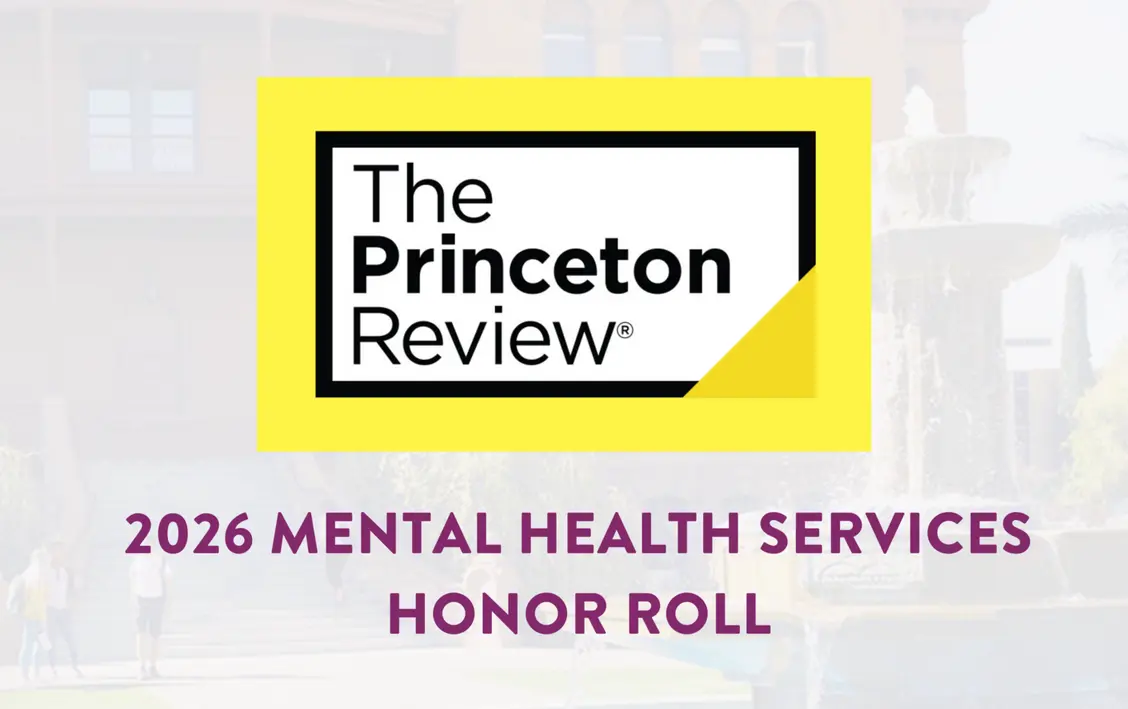
| Mental Health Honor Roll | Pomona, Rice | Wellness programs, access, support systems |
Guide to Green Colleges 2026: Key Findings & Stats
2026’s “Green Colleges” list grades schools on:
- Carbon neutrality goals (e.g., net-zero pledges by 2030)
- Student engagement in sustainability
- Green building certifications (LEED, ENERGY STAR)
- Innovative campus sustainability (solar, local food, zero waste)
Recent trend: Over 72% of applicants now say a school’s sustainability policies impact their decision—a huge leap from 51% just five years ago.
The Best 391 Colleges: How Rankings Are Calculated
A blend of 109,000+ student surveys, official data, and years of research ensures high credibility. Consider:
- Academic reputation (faculty, research, student/faculty ratio)
- Social scene (campus culture, diversity, inclusivity)
- Financial outcomes (debt, jobs)
- Wellness and mental health
Student Surveys and Data-Driven Analyses (2025–2026)
Survey Methodology and Gen Z Admissions Shifts
The Princeton Review’s annual “College Hopes & Worries” survey captures the genuine pulse of over 13,000 students and parents:
Survey Highlights
- Top Stressor: College cost/financial aid is the greatest anxiety (73%)
- Biggest Wish: More mental health resources and campus inclusivity (55%)
- Admissions Trends: Applications per student continue to rise (avg. 7.8 per applicant in 2025)
- Test-Optional: Over 62% consider test-optional schools; 34% plan to submit SAT/ACT anyway for better odds.
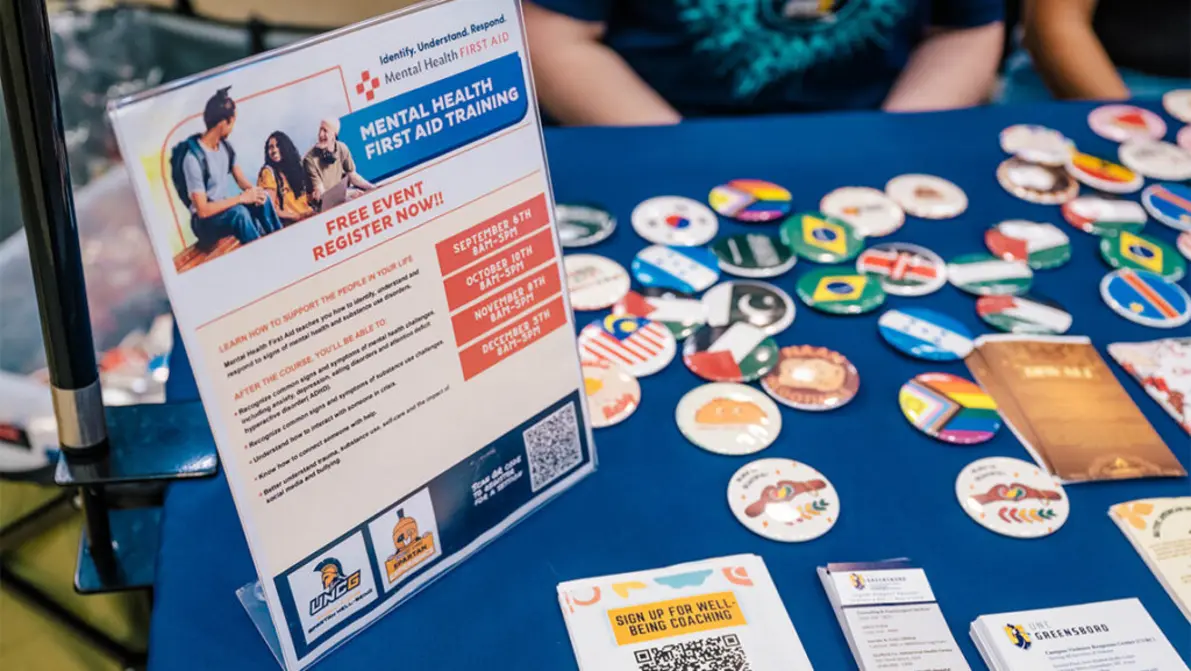
Application Volume, Financial Concerns, and Wellbeing—By The Numbers
- App fatigue: 2 out of 3 students call the process “overwhelming”
- FAFSA: 82% of families file, but 11% delay for clarity on aid offers
- Gen Z: Seeks campuses with visible DEI, climate action, and accessible counseling
Expert Insight:
“Students are not just hunting for rankings—they’re looking for campuses where they feel safe, supported, and have real pathways to debt-free graduation.”
Mental Health, Wellness, and Financial Aid Resources
Mental Health Services Honor Roll: Selection Process and Results
Each year, The Princeton Review’s Mental Health Services Honor Roll spotlights colleges that lead in student care.
Top 30 Honor Roll Schools (2026)
- Pomona College
- Rice University
- Stanford University
- Emory University
- Bowdoin College
- Harvard University
- Yale University
- University of Michigan
- Brown University
- Colby College
…[view full list on Watch more]

Selection Criteria
- On-campus counseling (ratio, access)
- Crisis intervention programs
- Peer support initiatives
- 24/7 virtual therapy lines
Top Tip: Use the Honor Roll as a shortlist for wellness-minded schools—especially vital for out-of-state and international applicants.
Financial Aid: FAFSA 2026 Updates and Tools
Key FAFSA 2026 Developments
- Simplified FAFSA: Fewer questions, family resource index
- Expansion of Pell Grants: Covers more low/middle income families
- Net Price Calculators: Standardized across top colleges
Survey Data:
- Over 74% of applicants say final college decision depends on net cost after aid offers
- Financial aid planning resources on Watch more: Panda Planner 2026: Neuroscience Productivity Guide
Tip for Parents: Start FAFSA in October and use the IRS Data Retrieval Tool for accuracy—early filings win more aid.
Emerging Trends: Sustainability, Digital Testing, and AI Integration
Campus Sustainability and Green Initiatives
The Princeton Review has led the charge with its “Green Colleges” and campus climate action scorecards. Growing numbers of applicants now rank renewable energy, eco dining, and carbon neutrality alongside academic prestige.
- Student Voices: “I want a degree from a school I feel proud of—one making a real impact beyond the classroom.”
- Campus innovation: Electric buses, composting, solar/wind power commitments
AI Hub: New Technologies in Test Prep
The Princeton Review’s 2026 digital suite features AI-driven diagnostic tests, adaptive study plans, and real-time analytics—providing a truly personalized path.

Technical Analysis: Digital SAT and AI
- Tailored practices: AI models learn your weaknesses—in math, grammar, or reading
- Smart scheduling: Algorithms suggest review and test dates based on actual content retention curves
- Real-time reporting: Students and parents can track progress week-by-week
“AI will level the test prep field, giving every student—regardless of background—a fighting chance at their best score.”
—Princeton Review Senior Director
Test-Optional Policies and Their Effect
With 73% of top colleges extending test-optional policies, students now combine graded coursework, honors/APs, and extracurriculars for admissions:
- Still, a strong SAT/ACT score can boost chances at selective schools
- Princeton Review’s digital prep makes high scores more accessible than ever
Frequently Asked Questions About The Princeton Review
What makes Princeton Review’s rankings credible?
- Transparent methodology: All factors are published, and student input is prioritized.
- Rankings are refreshed annually using new data and survey results.
How does Princeton Review protect student well-being?
- Wellness metrics are embedded into ranking models
- “Honor Roll” and resource guides are updated each year
- Collaborations with leading counselors and health experts
Is test prep worth the investment in 2026?
- Yes: Higher scores statistically correlate with more merit aid and acceptance to first-choice schools.
- Self-paced + tutoring models can cut costs versus hourly rates.
How to interpret sustainability and wellness rankings?
- Green College = Leadership in climate action, curriculum, and operations
- Honor Roll = Proactive, accessible, inclusive mental wellness support
The Princeton Review Experience: Real-World Success and Strategies
How to Choose The Best Princeton Review Course for You
- Assess score targets (e.g., aiming for 1400+ SAT vs. improvement from 1100)
- Consider your schedule: Full-semester vs. intensive boot camp vs. summer prep
- Balance price, prep hours, and desired outcomes
- Use trial sessions where available
Getting the Most from Free Online Resources
- Download sample questions and calendars
- Use the College Search Tool for fit and cost
- Join webinars on test dates, admissions strategies, and wellness
Advice for Parents: Supporting Students Through Test Prep
- Create a dedicated study schedule and quiet space
- Celebrate practice milestones
- Be aware of stress signals and enable downtime
For further reading on campus sustainability and future tech integration, visit Watch more: 2026 Geopolitics, AI, Cleantech & Resilient Supply Chains.
Visual Summary: Charts, Tables, and Lists
Check these essential graphics for a snapshot of current trends:
- College Application Stress Survey Graph
- SAT Prep Course Comparison Table
- 2026 College Rankings Chart
- Mental Health Honor Roll List
- Digital SAT & AI Test Prep Infographic
Visual guides assist in understanding complex data at a glance—don’t skip these resources when making crucial decisions!
Conclusion: Equipping Students for Success in 2026
As the college admissions landscape integrates technology, wellness, and sustainability, The Princeton Review remains at the center—offering reliable guides, advanced test prep, and data-driven insights. Whether you’re aiming for top SAT scores, seeking a “green” or mental health-forward campus, or looking for financial aid clarity, use the resources and expertise discussed in this guide to shape a less stressful, more successful journey.
Watch more:
👉 Our Website: https://ai-solutes.com/
👉 Our YouTube Channel: http://www.youtube.com/@ai-solutes
👉 Our Facebook Fanpage: https://www.facebook.com/profile.php?id=61576606911341
👉 Our X (Twitter): https://x.com/AISolutes
Images Used: