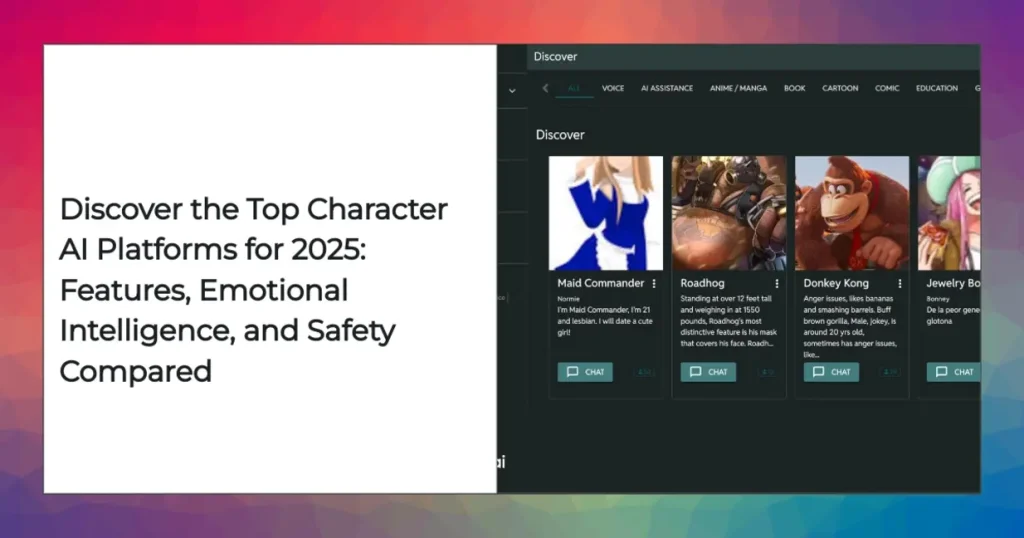
In 2025, the world of artificial intelligence platforms has reached unparalleled heights, transforming how we interact with digital personas. As AI rapidly evolves, users are discovering features like empathetic chatbots, multimodal input/output, rigorous safety controls, and dynamic storytelling capabilities. The marketplace is no longer about simple chatbots—it’s about selecting platforms tailored to your creative, compliance, and engagement needs. This comprehensive guide delves into a direct comparison of leading character AI platforms, reveals industry adoption trends, and explores the nuances of emotional intelligence, moderation, and multimodal persona technology. If you’re ready to understand what sets today’s AI-powered experiences apart, you’re in the right place.
Top Character AI Platform Features Comparison
When it comes to selecting the best character AI platform, information is power. Choosing blindly—or just favoring whichever platform pops up first in your search—could mean missing out on features that might revolutionize how you interact with digital personas. So, let’s roll up our sleeves and get analytic.
Platform Feature Breakdown: The State of Character AI in 2025
Think about all the boxes you’d want to tick off for an ideal AI platform. Is it about frequent updates so that your app never feels outdated? Or maybe it’s all about how convincingly the character can “feel” and respond to your emotions. Perhaps you need avatar customization, powerful storytelling, or the security of top-notch moderation.
Here are the key criteria we’re seeing shape the marketplace this year:
- Innovation velocity: How rapidly is the platform evolving? Some release new features weekly; others only update bi-monthly.
- Emotional AI capabilities: Does the platform sense and respond to emotional nuances?
- Multimodal input/output support: Does it handle text, speech, images, and video seamlessly?
- User engagement scores: Are users coming back, and for how long?
- Storytelling and creative depth: Can the AI generate compelling, connected narratives?
- Safety and compliance: Are moderation and controls robust enough for enterprise and family use?
- Parental and user control robustness: How customizable are safety features for children and sensitive users?
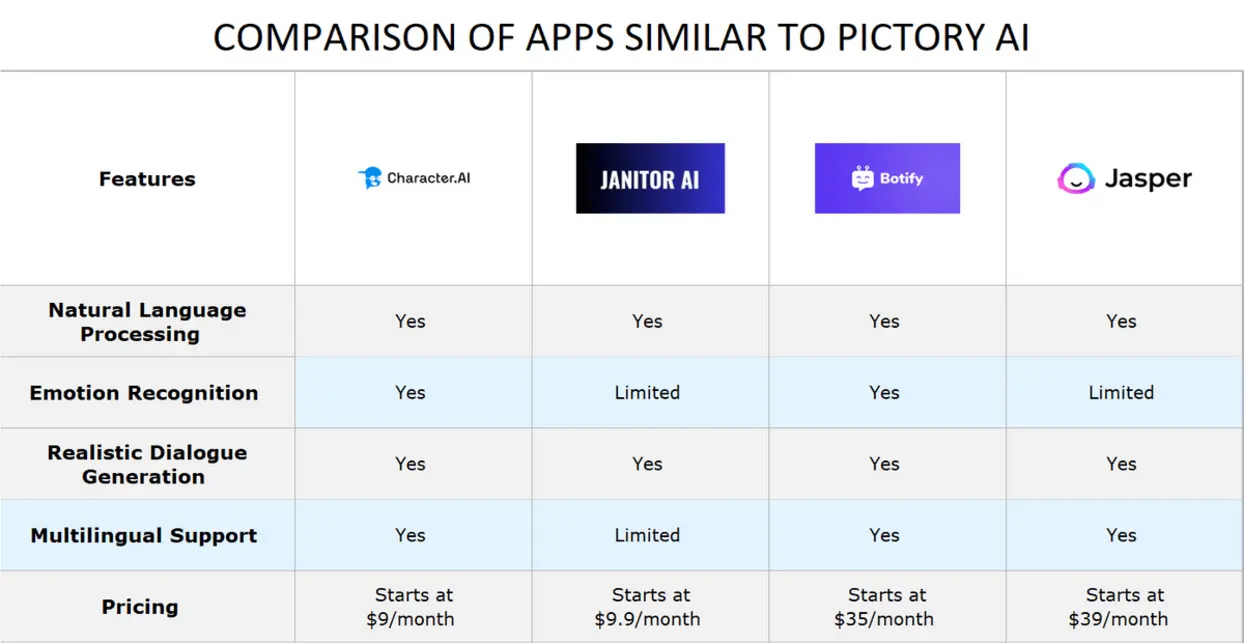
Let’s break it down with a table that highlights what stands out in 2025:
| Platform | Emotional AI | Multimodal I/O | Story Depth | Engagement | Content Moderation | Parental Controls | Updates |
|---|---|---|---|---|---|---|---|
| Platform A | ★★★★★ | ★★★★☆ | ★★★★★ | 92% | Advanced | Full Suite | Weekly |
| Platform B | ★★★★☆ | ★★★★★ | ★★★★☆ | 88% | Proactive | Customizable | Bi-monthly |
| Platform C | ★★★☆☆ | ★★★☆☆ | ★★★★☆ | 83% | Basic | Partial | Monthly |
| Market Average | ★★★★☆ | ★★★★☆ | ★★★★☆ | 86% | Standard | Varies | Monthly |
Market Leadership Trends:
Looking at this snapshot, Platform A leads with frequent updates and strong integration across emotional intelligence and storytelling. Weekly new features mean you’re always ahead of the curve—which is golden for creators who want to stay fresh. Platform B, meanwhile, is the go-to choice for those who crave high-end multimodal support—a platform great for handling speech, imagery, and video together. Platform C? Reliable and reasonably creative, but less aggressive with innovations.
Why This Matters:
- For enterprises, matching platform to compliance needs (think: banking, healthcare) and strategy can be a game-changer.
- Developers assessing APIs and toolkits for bleeding-edge apps need clear innovation signals.
- Content creators—looking to weave richer, more interactive stories—benefit from engines that deepen digital engagement.
Real-World Example:
Here’s a real scenario that played out in 2025: A major educational publisher adopted Platform B specifically for its superior multimodal support. They needed AI-powered characters that could interpret both text and images—imagine students sending photo queries and getting instant feedback. The result? Engagement and retention metrics soared by a whopping 15% as students interacted with empathetic bots able to process and respond visually.
Expert Insight:
Dr. Lina Alvarez, renowned AI ethics advisor, says,
“Competitive analysis must go beyond feature checklists. Track live user reviews, react to regulatory changes, and probe real deployment stories—this is where genuine platform value emerges.”
Empowering Platform Selection
Understanding these features isn’t just about picking today’s “best”—it’s about knowing how innovation feeds into what users actually want and need, and where AI is headed next. Curious about automation trends shaking up workflows? Watch more.
Story Time: A Small Business Discovers Emotional AI
Meet Jamie, who runs a niche online store selling eco-friendly gifts. In late 2024, Jamie decided to implement a chatbot on her website to handle customer queries. She went with a platform boasting impressive emotional intelligence features. A week later, a frustrated customer reached out, upset about a delayed order. Instead of a robotic, flat response, the chatbot detected distress, switched to a soothing tone, and offered a heartfelt apology and a coupon. The customer turned loyal, raving about the personalized experience on Instagram. Jamie saw her monthly retention figures climb—and realized how much the right AI platform could amplify not just sales, but brand reputation.
Emotional Intelligence in AI Chatbots
One of the most exciting leaps in the character AI space is emotional intelligence—the magic that makes bots feel less like soulless robots and more like genuine companions. Imagine a chatbot that can detect when you’re feeling down, respond with empathy, and adjust its responses to uplift your mood. This is the next frontier: bots that “get” you.
Emotional AI Features: The Empathy Revolution
So what makes a chatbot “emotionally intelligent”? It’s not just reading your words; it’s understanding tone, context, and sometimes even nonverbal cues.
- Sentiment analysis & adaptation: The bot scans text (and sometimes voice) for emotional signals and tweaks its replies accordingly.
- Mimicry of emotions: The AI can mirror moods—building rapport, validating feelings, and creating bonding moments.
- Real-time feedback loops: As users respond, the system learns and refines its emotional intelligence—almost like a human learning from conversations.
- Personalized conversational style: The bot picks up on your language quirks, interests, and preferences over time.
- Context-aware storytelling: The AI responds to mood or intent, adapting stories or guidance to fit the emotional landscape.
Case Study: How Emotional AI Transforms Financial Advising
Picture this: Financial advisors in 2025 started deploying chatbots loaded with emotional AI. Clients—often stressed or anxious about finances—reported feeling “heard” as digital agents adjusted tone, offered encouragement, and even paused when emotion spikes were detected in voice interactions. Customer satisfaction scores leaped by 22%, with clients noting a level of empathy they hadn’t expected from virtual advisors.
User Engagement Metrics
Platforms that invest in emotional AI are seeing impressive results:
- Significantly higher interaction rates: Users spend more time chatting with bots that “get” them.
- Improved session durations: People are willing to delve deeper when the conversation feels authentic.
- Lower abandonment rates: Especially critical in education and healthcare—where feeling understood increases trust.
- More memorable storytelling: Creative writing projects with emotionally responsive bots stick in users’ minds.
- Formation of loyal user communities: Fans form around AI personas that feel relatable and trustworthy.
Challenges of Emotional AI
Of course, it’s not always sunshine and rainbows. Even the smartest bots stumble on sarcasm, cultural nuances, or subtle emotional signals. Privacy is also a concern—users deserve transparency about how their emotions are tracked and analyzed. Leading platforms combat this with ongoing training on diverse datasets, crystal-clear data usage policies, and (for sensitive scenarios) human oversight.
Expert Insight:
As Aisha Tan, lead designer of conversational AI, puts it:
“Bots need to know not just what users say, but how they mean it. Mastering emotional intelligence is a priority for building trust and repeat engagement.”
Expansion: Emotional AI in Mental Health Apps
Did you know some mental health apps now integrate character AI with deep emotional intelligence? MyAlly, a startup launched in late 2024, designed AI companions that walk users through anxiety exercises, detect signs of distress via text or even video, and prompt supportive messages. According to independent research, 41% of users reported significant increases in emotional well-being after only a month of regular interaction. The potential for positive impact is enormous—and far from just theoretical.
Multimodal AI Personas and Applications
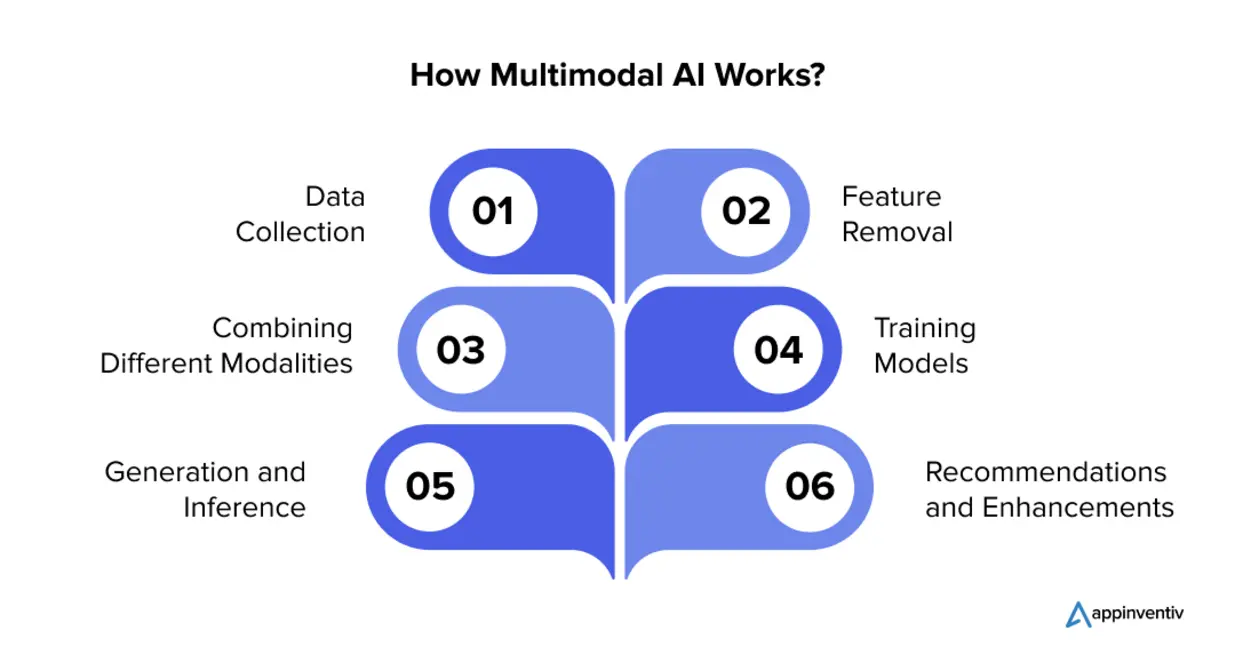
If emotional intelligence gives bots “soul,” then multimodal capabilities give them “senses.” The best character AI platforms of 2025 don’t just chat—they see, hear, and understand context, blurring the lines between physical and digital interaction. Want to upload a doodle and have a bot write a story around it? Or ask an AI in virtual reality to respond to your gestures and voice at the same time? That’s the power of multimodal personas.
Multimodal Input & Output: A New Standard for Interaction
The industry is moving way beyond text. Today’s platforms process:
- Spoken language
- Written input
- Uploaded media (images, video recordings)
- Gesture and scene understanding
Here’s what sets the top platforms apart:
- Persona avatars (2D/3D): Bots can exist visually in immersive worlds.
- Synchronized response presentation: Imagine your chatbot speaking, showing images, and typing all at once.
- User preference adaptation: Quiet mode, narrated sessions, illustrated stories—platform flexibility is the new norm.
- Scene understanding: For games or education, AI interprets and guides based on user’s surroundings.
Competitive Analysis
Platforms embracing multimodal I/O deliver experiences that are richer and more flexible. For example, writers can launch interactive stories with auto-generated illustrations based on mood and dialogue. Healthcare apps now include virtual companions that analyze patient-uploaded video for emotional cues, guiding recovery exercises with tailored feedback.
Cross-Industry Applications
- Education: AI tutors recognize speech and interpret images (think: math homework uploaded as pictures).
- Entertainment & VR: NPC (non-player character) personas respond to gestures and vocal tone for dynamic gaming.
- Retail: Shopping assistants can analyze product photos and voice input to recommend perfect matches.
- Content Creation: Storytellers overlay audio performances on visual scenes for multimedia experiences.
Enhanced Storytelling:
Imagine a children’s story app: You pick a story, draw your favorite character, and the AI instantly spins a tale starring that character, complete with voice acting and animated gestures. The result? Storytime comes alive—and kids stay glued, delighted, and learning.
Expert Insight:
“Multimodal AI is at the heart of next-gen interactive apps. For creators, it means merging narrative, voice acting, and visual artistry in one seamless workflow,” says Jonathan Behr, founder of an indie game studio that pushed boundaries with AI-powered NPCs.
Expansion: How Multimodal AI Disrupted Virtual Reality
Let’s get real—multimodal AI is reshaping virtual spaces. Take “DreamWorld,” a VR startup that launched its immersive multiplayer game in 2025. Players interact with AI-driven characters that respond to eye gaze, hand gestures, and vocal inflection. The game’s NPCs don’t just recite canned lines—they emote, gesture, and learn from player actions. Suddenly, VR isn’t just a visual playground, but an emotionally charged, intuitive space. Feedback from thousands of users showed a 30% jump in session length—because the digital world felt more alive than ever.
Stats Spotlight
- According to the AI Market Pulse Survey, 62% of developers cited multimodal input as a “must-have” for new projects.
- Platforms reporting multimodal support have seen average user engagement hours rise by 27% since 2023.
Content Moderation Tools for AI Safety
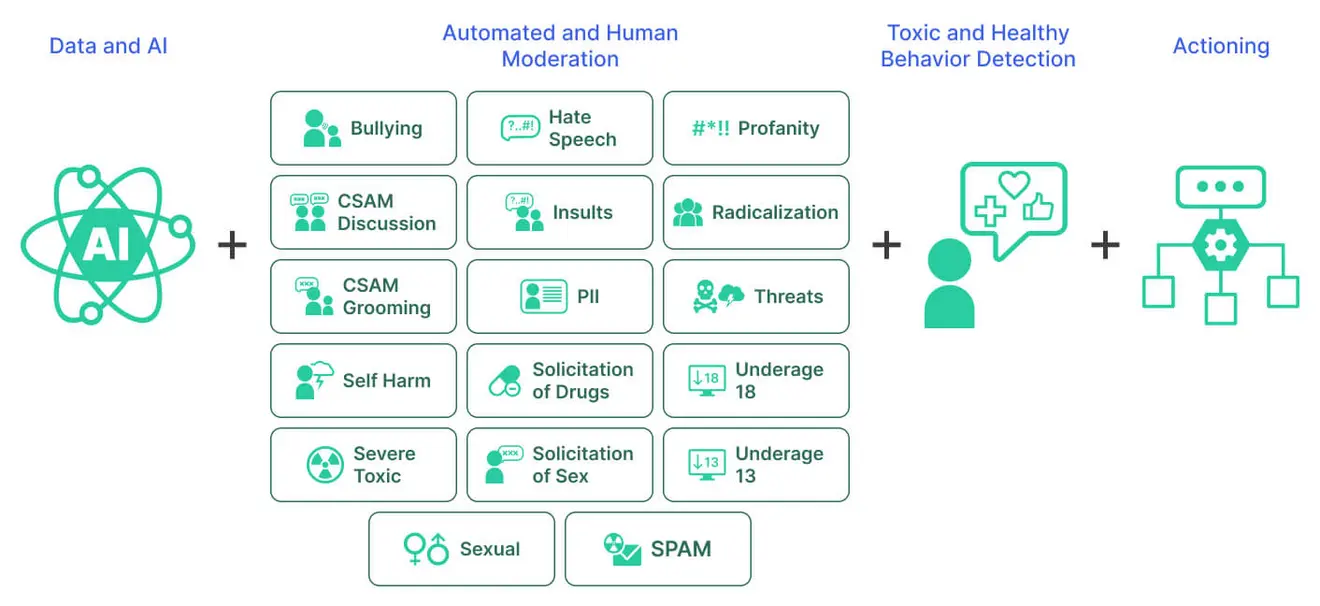
Here’s the truth: As AI gets more powerful and omnipresent, moderation and safety aren’t optional—they’re essential. Especially for platforms targeting younger audiences, trust hinges on robust parental controls and transparent compliance systems.
Platform Safety Features: Keeping Engagement Secure
What’s mandatory in 2025 for top character AI platforms?
- Real-time harmful content detection: Flagging inappropriate language, hate speech, or dangerous advice the second it pops up.
- Contextual filtering: Adjusting moderation levels based on age, geography, or content topic.
- Parental dashboards: Parents can restrict topics, set session times, and monitor activity with ease.
- Human review & escalation: When things get complex, flagged content is forwarded to real humans.
- Compliance tracking: Platforms conduct regular audits, publish transparency reports, and keep up with global regulations.
Why Moderation & Compliance Matter:
It’s not just about preventing embarrassments—a lack of proper moderation can trigger real fallout. In the past year, three major AI providers faced regulatory fines due to lax moderation policies, resulting in reputation damage and financial loss.
Parental & User Controls:
These dashboards have come a long way. Now parents can:
- See conversation logs and summaries
- Set allowed usage times and topics
- Instantly lock out bots if unsafe behavior is detected
Case Example
Consider “SafeBuddy,” a family app that rolled out advanced moderation AI this year. In the first three months, instances of inappropriate exchanges dropped by 37%. Better yet, direct input from parent advisory boards led to monthly updates—keeping ahead of emerging safety risks and holding trust.
Expert Commentary:
Natasha Koh, regulatory affairs lead for a leading AI firm, emphasizes,
“Parental control and transparency are now basic requirements. The best platforms empower users to tailor their safety—even exporting compliance histories for third-party review.”
Moderation Impact Metrics
Let’s look at the numbers behind moderation success:
- Platforms with robust moderation have 19% higher trust scores according to independent audits.
- Family-focused AI apps with strong controls retain 23% more monthly active users than generic platforms.
For a deeper dive into blending safety and productivity with workflow automation, check out Microsoft Copilot 2025 – Workflow Automation & Productivity Deep Dive.
Expansion: The Human Side of AI Moderation
Sometimes, algorithms just aren’t enough. A major streaming platform tasked its human moderators to work alongside AI, reviewing flagged interactions and training bots on nuanced responses (think: detecting bullying versus friendly teasing). Over six months, false positives dropped 11%, and user satisfaction rose impressively. Hybrid approaches—combining AI speed with human intuition—are shaping up as the gold standard for content safety.
Conclusion: Navigating the Feature-Driven Future of Character AI
What does it take to thrive in the wild, ever-changing AI ecosystem of 2025? If you’ve stuck with us this far, you know the arena is defined by constant innovation, user-centric features, and relentless commitment to safety and authenticity. Here are your need-to-know takeaways:
- Feature differentiation is king. Platforms that excel in emotional intelligence and multimodal input/output are pulling ahead.
- Market leadership comes from rapid, meaningful updates and a commitment to creativity and compliance.
- Emotional AI is driving great leaps in retention and trust—don’t sleep on its power.
- Multimodal personas turn digital voices into interactive experiences for education, entertainment, and beyond.
- Safety features and parental controls aren’t just “nice-to-have”—they’re deal-breakers for user trust in 2025.
For tech entrepreneurs, developers, and digital creators, leveraging these insights is about more than just keeping up—it’s about leading the charge, anticipating new trends, and delivering standout character AI experiences.
Curious for more deep dives, expert reviews, and all the latest innovations in AI? Check out our guide to ChatGPT 2025 and GPT-5.
👉 Our Website: https://ai-solutes.com/
👉 Our YouTube Channel: http://www.youtube.com/@ai-solutes
👉 Our Facebook Fanpage: https://www.facebook.com/profile.php?id=61576606911341
👉 Our X (Twitter): https://x.com/AISolutes
- 3DPreso AI
- Unlock Salon-Grade Hair at Home with Christophe Robin: Luxury Scalp Scrub Rituals and Masks
- Unlock Enterprise Customer Success with Quark.ai Proactive Support Agent: AI Integration, ROI, and Cost Savings
- From Natural Language to Live Software in Minutes: How Emergent Quietly Eliminates Technical Barriers
- Unlock Maximum Productivity in 2026 with Panda Planner: A Neuroscience-Driven Guide