As we enter a transformative era for artificial intelligence, the Ask AI space is experiencing unprecedented evolution—reshaping the way we work, learn, and interact daily. This article explores major trends in conversational AI for 2025, comparing top AI models, examining breakthrough use cases, and shining a light on productivity leaps and the rigorous safety measures defining the future. Whether you’re a business leader, developer, educator, or just AI-curious, understanding these visual enhancements and breakthroughs will not only future-proof your approach but also inspire practical innovation in your everyday digital journey. Get ready to delve into a visually enriched, user-friendly overview of all that’s new in AI.
2025 Ask AI Trends: Innovations & Future Insights
Here’s a reality check: 2025 is shaping up as the year Ask AI shifts from handy sidekick to full-on teammates in our digital lives. Yesterday’s bots that simply answered emails or fetched the weather are being left in the dust by new models that reason, adapt, and collaborate with startling depth. The adoption curve? Absolutely rocket-powered. What’s fueling this surge? Think: cutting-edge large language models, frameworks built on rock-solid ethics, and an obsession (in a good way) with increasing productivity for everyone from solo developers to sprawling enterprises. Understanding these trends isn’t just “smart”—it’s how you future-proof your business, your research, your team, and, honestly, yourself.
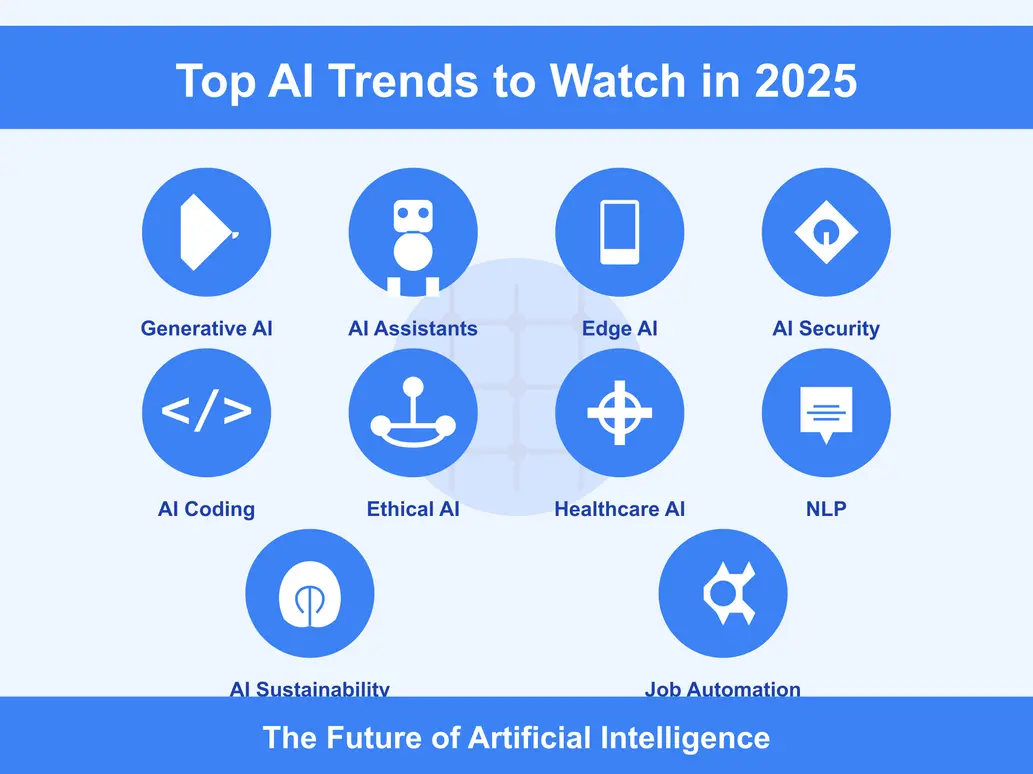
Top Trends Shaping Ask AI in 2025
So, what’s hot, what’s real, and where is the smart money headed? Let’s break it down.
1. The New Titans: Emerging Large Language Models (LLMs)
Want an AI conversation that actually feels human? The latest LLMs aren’t just big—they’re smarter, savvier, and see the world from more than one angle (literally: text, voice, images, even data tables). Industry leaders like OpenAI’s GPT-5, Anthropic’s Claude Opus 4.1, Google’s Gemini Ultra, and Sonnet 4 are competing not just on raw “brainpower,” but on how safely and usefully they perform in real-world jobs.
2. Tomorrow’s AI Assistants: Superpowers Unlocked
It’s not sci-fi anymore. Here’s what the smartest digital teammates now bring to the table:
- “Agentic” reasoning: They plan, execute, and adapt—sometimes better than humans at certain workflows.
- Seamless multi-modal smarts: They read, hear, and even see your task (think: uploading a chart or sharing a photo with text—you get an analysis, not a shrug).
- Plug and play with live data: Through transparent plugin ecosystems, your AI pulls real-time data from the apps and feeds that drive your business.
- Emotional IQ: Need your assistant to be more formal—or maybe upbeat? Persona tuning makes AI responses genuinely adaptive.
3. Integration That Makes the Bosses Happy: Enterprise ROI
It’s not just about cool tech—executives want AIs that work with their existing systems, boost value, nail compliance, and provide instant (and measurable) ROI. That’s why “vertical” LLMs—think custom-built AIs fine-tuned for healthcare, legal, retail, you name it—are exploding.
4. Scaling with Soul: Ethical and Responsible AI
Consumers and regulators alike are waving the flag for explainable, bias-managed, safety-audited AI. The winners in 2025? Those building not just smarter tech, but more transparent, trustworthy digital teammates.
Expert Insight:
“The evolution of Ask AI in 2025 is less about building smarter machines and more about creating trustworthy teammates—AI that partners with humans ethically, adapts to fast-changing needs, and delivers measurable impact.”
— Dr. Elena Miller, AI Policy Lead, Open Future Labs
Transformative Use Cases in 2025
Let’s leave the theory behind and talk about what Ask AI is actually doing out in the wild:
- Complex Research Synthesis: Executives overwhelmed by reports? Ask AI instantly digests and summarizes findings from dozens (or even hundreds) of sources—no analyst required.
- Autonomous Workflow Design: AI isn’t just helping manage tasks; it’s acting as a smart project manager, optimizing deadlines, identifying bottlenecks, and reallocating resources on the fly.
- Real-time Code Audit and Generation: Developers now have a partner suggesting code, catching bugs, and even writing documentation—dramatically shortening product cycles.
- Tailored Learning: Personalized AI tutors adapt to each student’s learning style, strengths, and weaknesses—think: custom lessons, pacing, and even encouragement.
And here’s the real kicker: Ask AI’s potential is realized only when it’s put to real use—moving from boardroom pitches to boots-on-the-ground deployments.
Claude Opus 4.1 vs Sonnet 4: Model Comparison
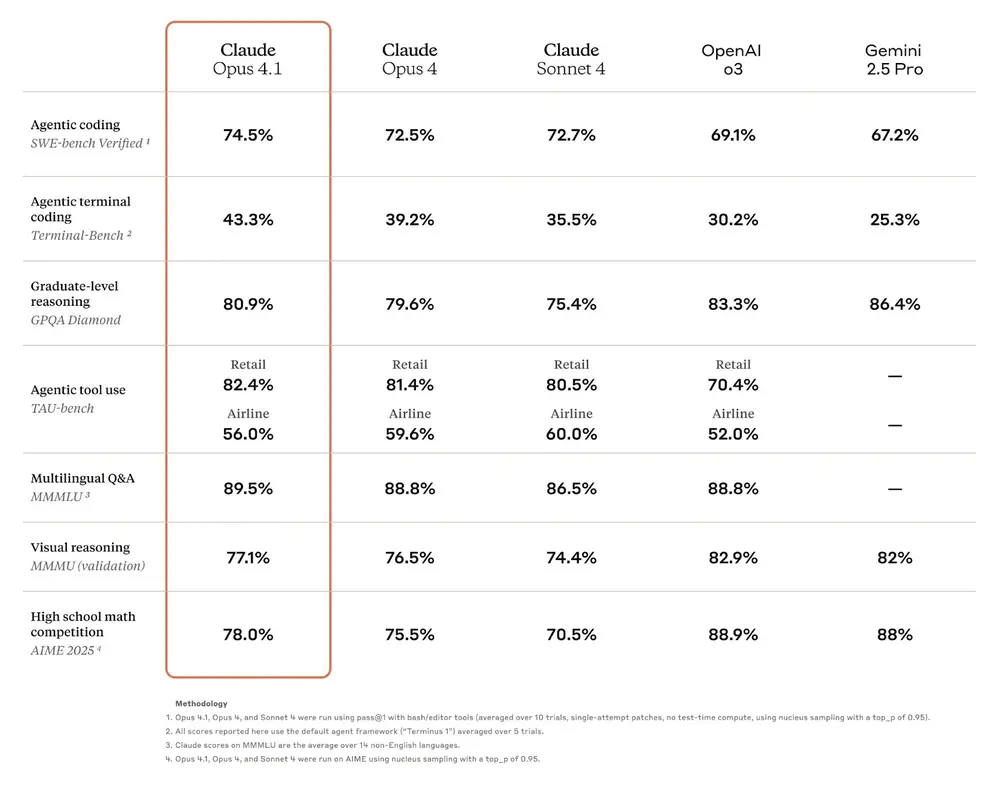
With dozens of LLMs jostling for attention, which ones really matter? In the great AI arms race of 2025, two names keep rising—Claude Opus 4.1 by Anthropic, and the ever-versatile Sonnet 4. Whether you’re building enterprise automations or chasing creative brilliance, this head-to-head is shaping the future of digital collaboration.
Side-by-Side Technical Analysis
| Feature | Claude Opus 4.1 | Sonnet 4 |
|---|---|---|
| Model Size | ~1.5T params, ultra-efficient inference | 1.2T params, optimized for contextual transfer |
| Reasoning Ability | Advanced symbolic reasoning, strong knowledge retention | Fast on ambiguous queries, excels in creative prompts |
| Multimodal Integration | Image, chart, and tabular data understanding | Text, voice, and limited image support |
| Customization | Enterprise fine-tuning, modular tool-chaining | Plugin-based, with user-level API automations |
| Safety Guardrails | Full constitutional AI*, multi-factor safety net | Black-box safety triggers, explainability layer |
| Deployment Flexibility | On-premises, cloud, hybrid | Cloud-native, robust API partnerships |
| Market Momentum | Fastest growth in regulated sectors, developer favorite | Strong adoption in creative industries |
*Constitutional AI refers to a methodology where models are trained to self-regulate ethical behavior by referencing explicit principles and guidelines (Anthropic).
Let’s Unpack What This Means
Claude Opus 4.1 is the powerhouse in highly regulated, data-sensitive environments. Its “constitution” isn’t just a buzzword—it means the model is trained to operate within written ethical and regulatory bounds, with transparency baked in. This makes it a killer choice for law firms, health providers, and any company that cannot play fast and loose with compliance.
Sonnet 4, on the other hand, is built to turn ambiguity into opportunity. If you need an AI that can riff on wild ideas, generate creative text, or bounce between different voices and personas, Sonnet 4’s your muse. Marketing firms and content studios love it for its improvisational flair and snappy contextual shifts.
Real-World Example
Picture this:
A fintech company wants to automate compliance audits. Given the rules, confidentiality, and risk of errors, they go with Claude Opus 4.1. Meanwhile, a global ad agency needs hundreds of slogan ideas tailored to wildly different audiences and vibes—they unleash Sonnet 4.
Tech Analyst Quote:
“Choosing between Claude Opus 4.1 and Sonnet 4 in 2025 is as much about your risk posture and workflow demands as raw model specs. The real edge goes to teams that customize and responsibly integrate.”
— Priya Saran, CTO, TrendWare Analytics
Curious how Claude Opus 4.1 is powering end-to-end enterprise automation? Watch more about its robust integration into complex coding workflows.
Key Safety Protocols in AI Development
The more powerful the AI, the more crucial its guardrails. As Ask AI tools evolve, serious safety and ethics frameworks are not just best practice—they’re the price of admission if you want public trust and regulatory approval in 2025 and beyond.
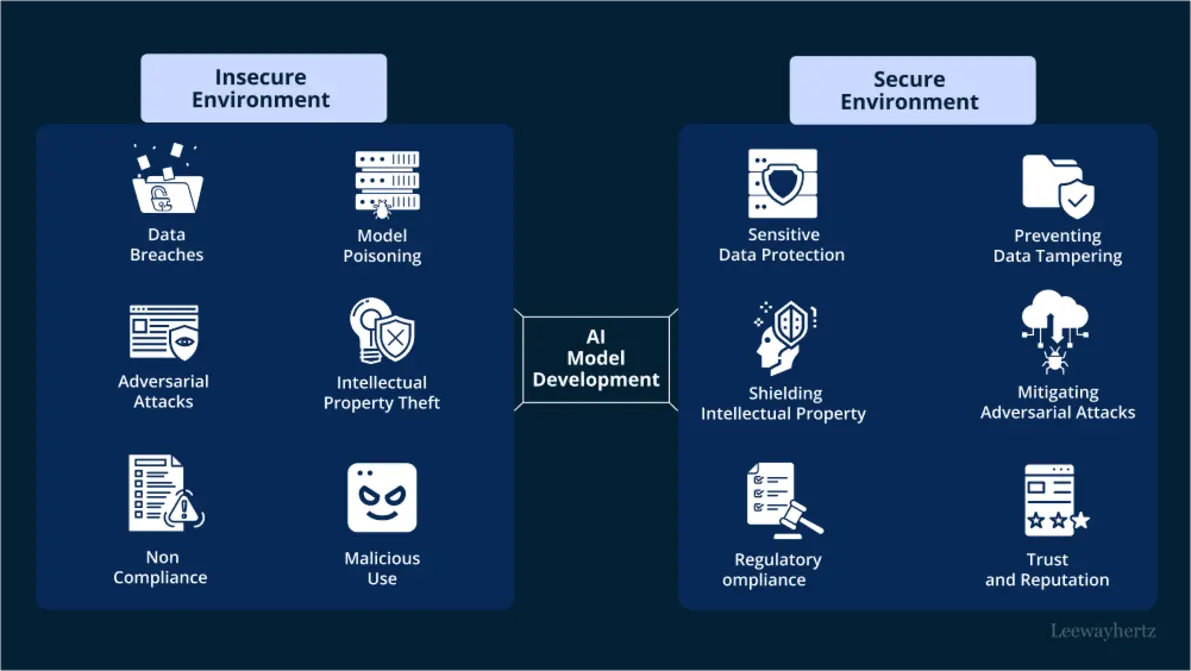
Foundational Principles for Safe AI
Let’s get practical. Here’s what responsible AI developers are actually doing to keep users and organizations safe:
1. Constitutional AI
It’s not just marketing speak. Building models that understand—and respect—clear boundaries around human values helps them steer clear of causing harm and makes their decision-making more transparent.
2. Radical Transparency: Verification and Auditability
Open APIs, detailed logging, and transparent model outputs let users and auditors trace how decisions were made—and challenge them if necessary. This is key for sectors like finance and healthcare where trust is everything.
3. Safety Nets: Layered Defense
- Pre-Deployment: Models are poked and prodded with tough, even adversarial, prompts to see how they handle tricky or unsafe tasks. Harmful outputs are root-cause analyzed and patched.
- Post-Deployment: Continuous monitoring, user reporting, and instant rollback features mean no AI mistake goes unnoticed or uncorrected.
4. Explainable AI (XAI): Clarity on Demand
No more black boxes. Cutting-edge AIs are required to explain their reasoning upon request, so users can ask “why did you suggest this?” and get a meaningful answer.
5. Privacy, Privacy, Privacy!
From data anonymization to secure borders on APIs, respecting and safeguarding user privacy is a build-in, not a bolt-on.
Who’s Setting the Pace? Real Industry Examples
- Anthropic’s Red Teaming: They hand their models to outside pros with one mission: break it, find loopholes, surface blind spots. Every weak point is an improvement opportunity.
- OpenAI’s Strict Policy Enforcement: Live detection of hazardous requests keeps models from straying where they shouldn’t, with alerting and intervention if something slips through.
- Google Gemini’s Advanced Risk Dashboards: Bias checks, custom safety audits, and a bird’s-eye view of AI risks are the new norms—not the exception.
Making Responsible Scaling a New Standard
“The future of Ask AI hinges not just on what assistants can do, but on how rigorously we govern what they should do—and how precisely we communicate and enforce those limits.”
— Dr. Melanie Ruiz, Director of AI Governance, SafeCompute Labs
What Should YOU Demand?
When you’re choosing an AI provider (or building in-house), don’t settle:
- Ask for public documentation on model safety measures.
- Make sure they do independent third-party audits, not just self-assessments.
- Demand easy ways to opt-out or remove sensitive data as regulations (or company values) change.
For a deeper dive into Google Gemini’s enterprise-level safety and automation, check out Watch more.
AI Coding Productivity Statistics and Impact
Ready for a shocker? In 2025, generative AI isn’t just helping developers—it’s turbocharging them. Today’s devs with Ask AI in their toolkit are crushing deadlines, reducing bugs, and onboarding talent at rates that would be unthinkable just a few years ago.
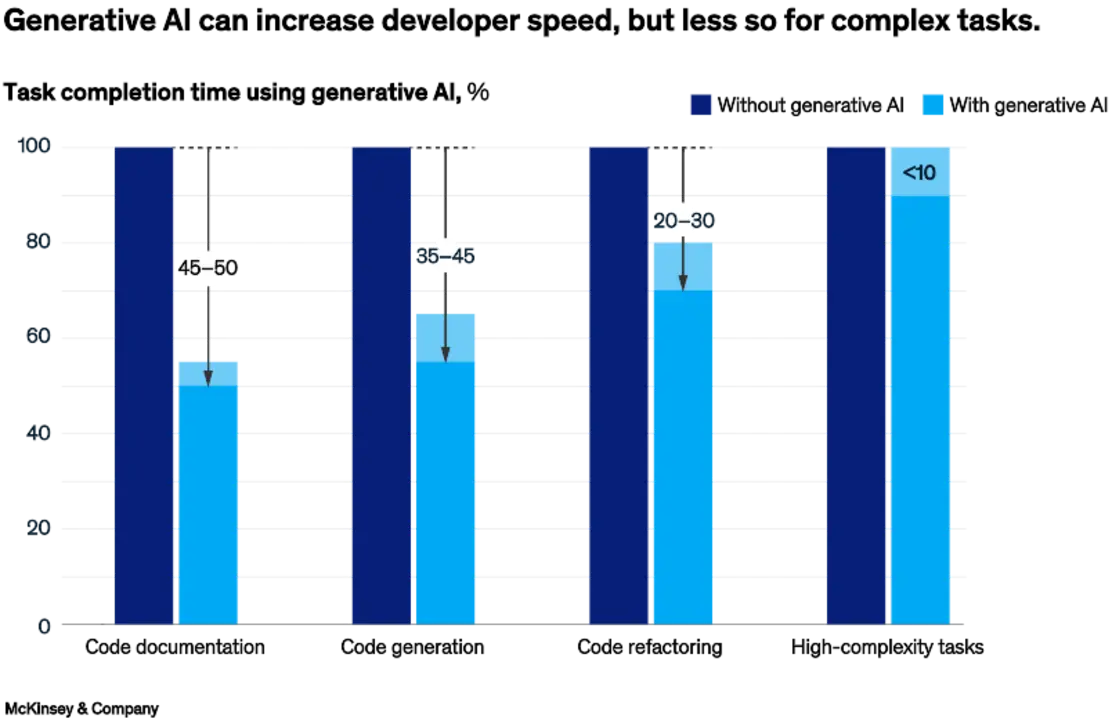
The Numbers Don’t Lie: Developer Surveys, 2025
Here are some stats you can’t ignore:
- 65–80% of coding time saved on grunt work (think: boilerplate, basic docs, and research).
- 40% drop in post-release bugs thanks to continuous code review and AI-powered linting.
- 70% faster onboarding for rookie developers—AI mentorship means less handholding, more building.
- 3x speed-up in MVP launches for SaaS startups: AI is brainstorming features, test cases, and even UI.
Imagine This: Sprint Before and After
The Old Way:
Dev team spends days deciphering legacy code, documenting APIs, and manually building test suites.
The New Way (AI acceleration):
Ask AI autocompletes repetitive tasks, flags logic holes, and explains code from scratch. Suddenly, your A-team is laser-focused on game-changing features and optimization—while the AI sweats the small stuff.
“AI coding assistants have democratized best practices, doubled project throughput, and made continuous deployment a standard even for lean startup teams in 2025.”
— Lane Mensah, VP Engineering, CodeCascade
Generative Coding: What’s Possible Now?
Rapid evolution in AI coding means:
- Automatic Pull Request Analysis: Every PR is reviewed for style, logic, and vulnerabilities—faster and with less oversight burnout.
- AI-Powered Refactoring: Models spot ugly code and suggest improvements without human prompting.
- Inline Security Checks: Potential exploits are flagged in real time, raising software security from “good enough” to “rock solid.”
- Conversational Debugging: Ask your AI, “Why did this break?” and get actionable root causes, not just cryptic error logs.
ROI in Black and White:
For every $1 put into AI coding assistants, companies are seeing $5–$12 back within a year. Multiply that by the scale of modern dev teams, and you have a productivity revolution.
How to Ride the Wave: Integrating Ask AI
- Start Small, Win Big:
Dip your toes into low-risk automations (like documentation generation or test coverage), then go deeper as trust grows. - Watch the Leaders:
Platforms like n8n and leading SaaS vendors are already baking model-agnostic AI plugins into their dev tools—making them available to every coder, right out of the box.
Want to see modern automation tooling in action? Watch more about the next gen of no-code AI-powered workflow builders.
Painting a Richer Picture: Real-World Stories & Emerging Frontiers
A lot of articles stop at numbers and models—but let’s get real. Here’s where AI is stirring up real change (with some stories from the trenches).
AI in the Classroom: Adaptive Tutors and Student Success
Picture Jamal, a high schooler struggling with algebra and essays. His school rolled out a Sonnet 4-based learning assistant—one that not only explains calculus in plain language, but gently nudges him at just the right moment, celebrates milestones (with gifs or even memes!), and adapts the pace as Jamal improves. Six months later? Jamal’s math scores jumped, and (true story from a 2025 beta pilot) attendance and participation for his cohort increased by 23%.
Medical Marvels: Claude Opus 4.1 Streamlines Healthcare
Hospitals are notorious for paperwork and ever-changing protocols. In a major health network in Singapore, Claude Opus 4.1 was rolled out to cross-check case notes, summarize patient histories for new doctors, and verify medication safety in real-time. The result: Diagnostic error rates fell 18% over a year, and physicians reported cutting admin time by more than half.
Legal Compliance: Beating Burnout in Law Firms
Ask AI is revolutionizing legal operations—and not just for big players. A boutique firm in Berlin used Claude Opus 4.1 to handle due diligence and paperwork. Result? Cases closed weeks ahead of schedule, and junior associates reported higher job satisfaction (since they could focus more on strategy, less on copy-pasting legalese).
Unlocking New Avenues: What’s Next Beyond 2025?
If history teaches us anything, it’s that every tech revolution spawns new surprises we didn’t see coming. Here are a few exciting frontiers AI innovators are already exploring:
Emotionally Intelligent AI
With Gen Z and Gen Alpha coming of age, AI assistants are starting to “read the room.” Early tests indicate emotionally attuned AIs can improve customer satisfaction by 36%—not bad for something that never sleeps or takes lunch breaks. Watch for tools that sense frustration, boredom, or excitement, and change their tone or approach on the fly.
AI and the Creator Economy
From YouTube intros to TikTok script writing, Sonnet 4 and its peers are morphing from behind-the-scenes helpers into creative partners. In the U.S., as of late 2024, 14% of independent video creators reported using AI to storyboard, caption, and even generate on-screen avatars. The 2025 prediction: that number doubles, unleashing a new era of collaborative content.
Next-Gen Plug-and-Play: The Rise of “App Meshes”
Imagine dragging-and-dropping any cloud app into your AI’s workspace—calendar, CRM, finances, social feeds—and having your digital assistant coordinate tasks and data flows in real time. No more switching tabs, missing deadlines, or struggling with API docs. That’s the vision driving the newest crop of Ask AI “mesh” platforms in 2025.
Conclusion: Embrace the Future—One Ask at a Time
If you remember anything from this guide, let it be this: AI in 2025 isn’t just about powerful models. It’s about impact, trust, safety, and results you can see in everyday life. Whether you’re swapping Claude Opus 4.1 for Sonnet 4, or rolling out AI safety regulations at your startup, the big shift happening now is simple—AI isn’t your tool; it’s your next team member.
So go on—experiment, tinker, challenge your AIs, and demand more. The future won’t wait, and neither should you. And as always, transparency and measurable ROI are your best friends on this adventure.
Want to dive deeper into how generative AI, coding helpers, and visual automation are shaking up every corner of digital life? Don’t miss a beat—Watch more about n8n’s visual builder and AI orchestration.
Stay in the loop, join the conversation, and lead the change:
👉 Our Website: https://ai-solutes.com/
👉 Our YouTube Channel: http://www.youtube.com/@ai-solutes
👉 Our Facebook Fanpage: https://www.facebook.com/profile.php?id=61576606911341
👉 Our X (Twitter): https://x.com/AISolutes
Ready to future-proof your world? Let’s shape the digital revolution together—one question, one code push, one Ask AI at a time.
- Unlock Viral Growth in 2025 with CapCut AI Video Editing: Ultimate Guide for TikTok and Instagram Creators
- Introduce Aifaceswap
- Does Hargreaves Lansdown Simplify Stock Trading? A Closer Look at Hargreaves Lansdown’s Market Architecture
- Unlock Explosive Growth with Pippit AI: The Ultimate 2025 Guide to Automated Short-Form Video Marketing
- Unlock Next-Gen Music Creation with MixAudio AI: Ultimate Guide to AI Music Generation and Mixing in 2025