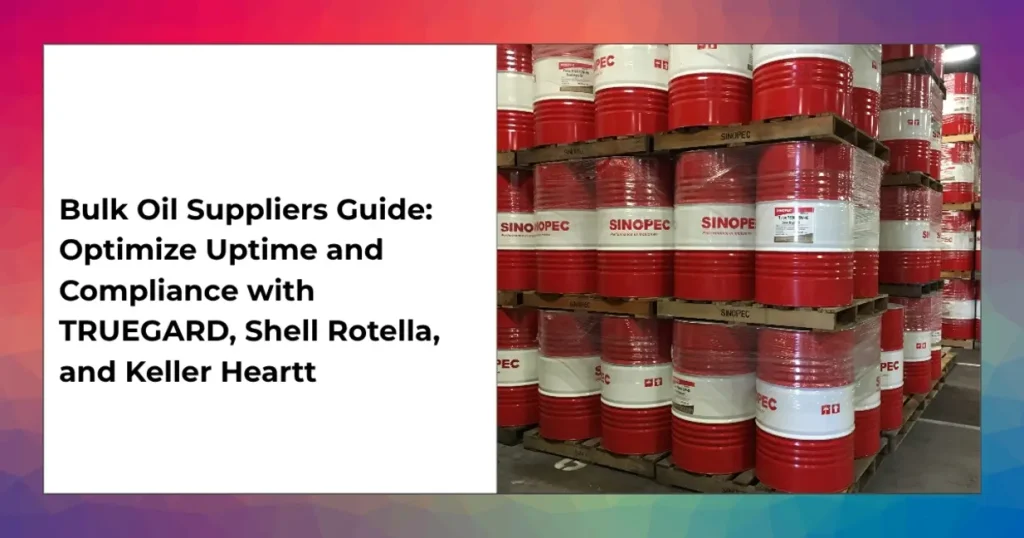
In today’s industrial landscape, lubrication plays an essential role in ensuring efficiencies, reducing downtime, and optimizing maintenance workflows across sectors such as manufacturing, logistics, and food processing. The following article provides a comprehensive exploration into the world of bulk oil suppliers, emphasizing the distinct advantages of working with industry leaders like Keller Heartt, TRUEGARD, and Shell Rotella. To enhance your reading experience, all data tables, quoted material, and links have been visually refined for clarity and improved usability while fully preserving the original textual content and embedded attributes.
Let’s be honest—when it comes to keeping a factory running, food processing safe, or a trucking fleet hustling across the country, lubricants are the unsung backbone of the business. Most people never think about the oil coursing through engines, gearboxes, or massive compressors—until something goes wrong. When downtime hits, it’s not just a technical issue; it’s money down the drain and often a scramble to get back online. What if you could sidestep those disasters by making smarter choices about your bulk oil suppliers and the lubricants you trust? Whether you’re overseeing a trucking outfit, food-grade production line, or industrial facility, understanding what sets the best suppliers apart is a competitive edge you don’t want to overlook. This guide will take you inside the world of bulk oil—from the science behind TRUEGARD and Shell Rotella to real-world procurement tips, logistics know-how, and the kind of compliance that keeps auditors off your back.
The Ultimate Guide to Bulk Oil Suppliers: TRUEGARD, Shell Rotella, Industrial & Food Grade Lubricants – Keller Heartt Demystified
Introduction
Let’s set the stage: across America (and beyond!), manufacturing floors hum, trucks keep goods moving, and food processors churn out products for thousands—sometimes millions—daily. And behind the scenes? Lubricants, doing the silent, essential work. Choosing the right oil supplier is about much more than price, though you’ll see budgets stretch farther with smart sourcing. The real questions are: Will your supplier help you prevent catastrophic downtime? Can they keep up with tight food-grade regulations or provide technical support when a hiccup threatens production? And, most importantly—are you getting the peace of mind you need to focus on innovation and growth, instead of scrambling over avoidable maintenance crises?
We’ll take a close look at what separates trusted names like Keller Heartt from just any vendor. From the advantages of bulk warehousing and logistics to the nitty gritty of food-grade compliance, this guide isn’t just about products—it’s about empowering procurement managers, engineers, and operations leads with actionable, real-world wisdom.
TRUEGARD and Shell Rotella: Industry-Leading Lubricants for Fleet and Industrial Excellence
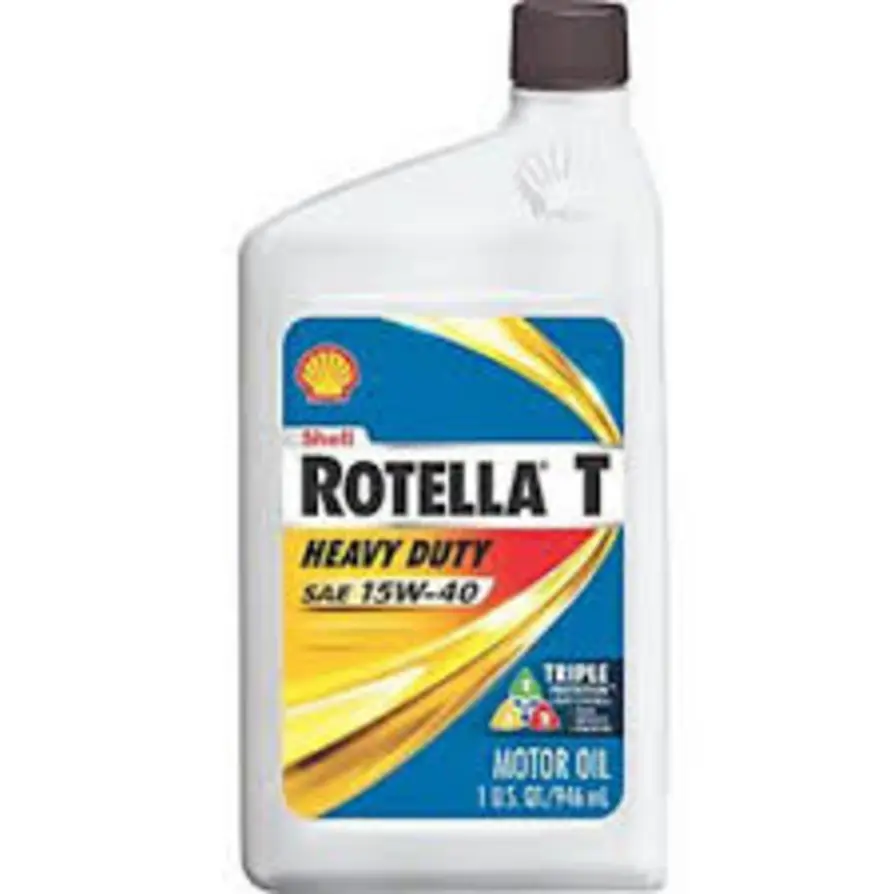
Let’s face it—when you pop open a bottle of TRUEGARD or Shell Rotella, you’re tapping into decades (sometimes nearly a century!) of lubricant science. These brands have been stress-tested everywhere, from the punishing highways out West to the bustling factories in the Midwest.
Why Branding Matters in Bulk Lubrication
There’s a lot more behind a trustworthy brand than a catchy logo. TRUEGARD and Shell Rotella’s reputations were earned in the field—breaking records for machine uptime, reducing unplanned failures, and making regulatory compliance less of a headache. Consider:
- TRUEGARD Oils: Built for industrial machines and trucks that don’t have time for second best. TRUEGARD’s range suits everything from heavy loads in logistics fleets to demanding hydraulic circuits in factories—offering both top-value conventional oils and high-tech synthetics.
- Shell Rotella: If you’ve spent any time with diesel engines (think: 18-wheelers, bulldozers, farm tractors), you already know the Rotella name. Its latest CK-4 and CJ-4 formulas are designed for ultra-modern emissions systems and notoriously tough operating cycles.
Who Relies on These Brands?
- Over-the-road trucking, city service fleets, or agricultural vehicles
- High-torque, mission-critical engines (generators, water pumps, compressors)
- Quick-lube shops and repair bays striving for happy, returning customers
Premium Quality, Proven Results
You wouldn’t trust just anyone with your equipment’s “lifeblood”—and both TRUEGARD and Shell Rotella offer more than marketing hype.
- TRUEGARD: Expect change intervals that stretch up to 50% longer versus store-brand oils. That’s more uptime, less waste oil, and real dollars back to your bottom line.
- Shell Rotella: Famous for “Triple Protection”—it fights wear, stops deposits, and resists breakdown under brutal loads, making it a favorite for heavy-duty diesel mechanics everywhere.
Want a Pro Tip? Visual branding isn’t just for the comfort of recognition—it’s a safeguard. Teams can quickly verify that their 55-gallon drum or bulk tote matches spec at a glance, reducing mistakes and helping pass audits.
Real Life, Real Impact
Consider the story of a big Midwest logistics company: they invested in TRUEGARD’s bulk synthetic offering and saw more than sixty trucks go an entire quarter without a single unscheduled oil-related repair. Mechanics noted cleaner filter changes, and senior management was thrilled when annual oil spend dropped—without cutting quality.
A large agricultural contractor, on the other hand, swears by Shell Rotella T6, especially during the relentless work of harvest season. When uptime needs to be 99.9%, their mechanics report smoother startups during chilly mornings and almost zero engine sludge, even across thousands of heavy hours.
Bulk Oil Distribution: Industrial Drums, Warehousing & Scalable Supply

Ever tried lugging dozens of tiny oil bottles across a plant—or, worse, making emergency stops at a local parts store? Industrial firms have clear reasons for switching to bulk delivery.
The Power of Bulk Drums for Cost Control
Here’s what happens when you size up—by the drum, pallet, or even full 275-gallon totes:
- Cost-per-gallon plummets: Buying in 55-gallon drums trims unit costs by 15–40% compared to pulling a few jugs at a time. That sort of savings adds up fast, especially as you scale.
- Warehousing confidence: When supply chains tighten—as we all saw during recent global events—having a supplier like Keller Heartt, with strong regional inventories, means you’re not left waiting for ocean shipments. Bulk storage isn’t just efficient; it’s operational insurance.
- Safety and regulatory compliance: Bulk drums are built and labeled to withstand the rigors of OSHA and EPA oversight. Handle spills, labeling, and expiration worries in one go.
Inventory Management and Just-in-Time Delivery
In the modern era, running out of oil mid-shift is a no-go. The best suppliers:
- Automate reorders: Many leading bulk programs tap into your historical usage to forecast when you’ll need a top-up, so your team focuses on machines, not paperwork.
- Enable custom blends: A benefit of bulk—if your operation has special needs, you’re not stuck stockpiling oddball products. Need a zinc-free formula for eco-sensitive machinery? Want a private-label option with your branding? Done and done.
A Real-World Win:
A growing Midwest manufacturing plant switched to Keller Heartt’s drum inventory with automated reorder triggers. Within the first year, they shaved 27% off oil-related costs, virtually eliminated last-minute emergency orders, and reported a noticeable jump in uptime. Maintenance teams appreciated the end to brand “mix-ups,” and procurement finally got clean, trackable invoices.
Sustainability and Waste Reduction
Bulk oil doesn’t just save money—it’s eco-smart. Instead of tossing hundreds of small plastic bottles each month, facilities handle reusable drums and totes, slashing landfill waste. Increasingly, companies are also partnering with suppliers who specialize in collecting and recycling used oil, closing the loop on environmental impact. This is especially important for firms with ISO 14001 environmental management certifications or those aiming for greener business accolades.
Keller Heartt Truck & Fleet Delivery Advantage

Ask anyone managing a regional or nationwide operation: delivery delays are one of the most expensive surprises in maintenance. A few missing barrels can trigger hours—sometimes days—of lost productivity. Keller Heartt flips the script with direct-to-site logistics.
Nationwide Reach, Local Expertise
Keller Heartt’s proprietary truck fleet isn’t just about speed. It’s about reliability—knowing your lubricant arrives exactly when (and where) it’s needed.
- Continental U.S. reach: From Maine to California, their custom routing tools ensure urgent replenishments land fast, minimizing downtime and costly emergencies.
- Specialized handling for all sectors: Whether it’s NSF-certified food oil or hazardous fluids, each truck and driver is trained for safe, clean, and contamination-free deliveries. You don’t want last week’s compressor oil contaminating your food-grade shipment.
Customer Service You Can Reach
Beyond churning out orders, Keller Heartt builds lasting partnerships:
- Dedicated account managers: This means you always talk to a person who knows your routine, facility, and quirks—not a random call center that’s never set foot in your industry.
- 24/7 emergency delivery: Plants and fleets running around the clock can’t afford a “we’re closed” message. Keller Heartt’s after-hours dispatch ensures you’re covered, day or night.
Customer Testimonial:
A leading national HVAC company recalls, “Before Keller Heartt, late deliveries were constant headaches—especially during high demand. Their driver knew our plant, followed our strict safety rules, and never missed a spec, even for high-stakes food-grade oils.” That attention to detail becomes priceless when health and legal concerns are on the line.
Custom Solutions for Unique Needs
Not every operation is cookie-cutter. Keller Heartt collaborates with clients to organize deliveries during off-peak hours, split shipments across multi-location facilities, or coordinate with facility maintenance shutdowns. This kind of flexibility leads to smoother audits and better business continuity, as every shipment is tailored to minimize disruption.
Food Grade Lubricants: Compliance, Transparency & Safety for Sensitive Industries

If you’re in food, beverage, or pharma, you know the stakes are higher. Unlike most sectors, a simple misstep with lube can trigger recalls, legal liabilities, or media headlines no one wants. So, what does “food-grade” really mean, and how do you know you’re covered?
What Sets Food-Grade Lubricants Apart?
Every gallon is scrutinized. If even a trace of non-compliant lubricant contacts product, it’s a risk.
- NSF H1/H2 certification: H1 means the oil is permitted for incidental food contact; H2 is for non-food-contact surfaces. Auditors, both internal and FDA, demand proper labeling and clear documentation.
- Kosher & Halal certifications: Many processors serve specialty markets—these certifications support exports, year-round assurance, and a diverse customer base.
- Chain of custody transparency: Modern compliance means tracking every drop—from source plant to packaging, with batch records and test reports stored for years.
Keller Heartt’s Competitive Edge
Here’s where a supplier’s reputation is everything:
- TRUEGARD Food-Grade Portfolio: A complete lineup for hydraulics, gears, bearings, and conveyors—all independently validated to the highest standards.
- Trusted by the best: From giant bakeries in Chicago to dairy plants in Wisconsin and beverage bottlers in the South, Keller Heartt oils are the “secret sauce” for regulatory peace of mind.
- Custom engineering support: Technical reps don’t just sell—they help you match the right lubricant to every machine, phase in replacements during old stock transitions, and support tight audit schedules.
Reducing Risk with Compliance
This isn’t optional. A single non-compliant barrel can trigger a recall running into the millions. According to the CDC, improper lubricant use is now a leading hidden cause of food and beverage recalls. That’s why forward-thinking managers view reputable bulk suppliers less as a product vendor, and more as a risk management partner.
The Human Element
A food plant manager in Ohio tells the story: “Our last audit almost got derailed when a label was missing. Keller Heartt’s support team had all the documents at their fingertips—every batch certified, every drum barcode traceable. Passing was a breeze.”
Bulk Oil Supplier Logistics: Inventory, Warehousing, and Nationwide Shipping
Let’s be real: amazing lubricants don’t matter if they arrive late, spoiled, or are impossible to track. Industrial lubrication is a logistics challenge—and not all suppliers are up to it.
Logistics Are the Backbone of Industrial Lubricant Supply
If your supplier’s warehousing isn’t robust, consider the risks:
- Stockouts & emergency buys: Missed shipments often lead to desperate local runs—at a huge premium. Maintenance budgets balloon, and finance teams groan.
- Contamination incidents: Unsanitary warehousing turns pristine oil into a dirty liability. Modern operations demand climate control, clean storage, and strict inventory rotation.
- Production delays: Poor supply chain execution means shop-floor slowdowns, missed orders, and, in worst case, lost clients.
Keller Heartt’s approach:
- Automated reorder points: Digital tools monitor stock and trigger orders—notifying teams before thresholds are crossed.
- Regional & national warehousing: Same-day or next-day service for almost every major U.S. industrial zone.
- Full digital audit trails: Inventory dashboards and lot tracking mean every drop is documented, from warehouse shelf to production line.
Case Study:
A cold-storage warehouse in Texas faced regular downtime and fire-drill ordering. After switching to Keller Heartt’s dashboard-driven supplier model, they cut unscheduled downtime by 38%. Maintenance managers could finally sleep, knowing oil would be there, certified and on time.
Embracing Innovation
Some progressive suppliers are now integrating AI-driven analytics to forecast demand spikes or seasonal needs based on historic trends, weather disruptions, or market volatility. These systems help facilities avoid “just-in-case” stockpiles—which tie up cash—and maintain ideal on-hand inventory. Ask your supplier about smart logistics solutions that fit into your digital transformation roadmap.
Comparing Industrial Lubricants: Specification Table & API/ISO Grades

The world of industrial oil is a maze—acronyms, viscosity grades, certifications. But get one spec wrong and you could void warranties, trigger performance issues, or even risk safety incidents.
Why Specs Matter
Whether you run a massive fleet or a single production line, start by matching technical specifications—not just picking a big brand.
- Viscosity (e.g. 15W-40, VG 46): Impacts pumpability, protection, and component lifespan. Too thin? Not enough protection. Too thick? Starved machinery and fuel inefficiency.
- API, ISO, OEM grades: Certification isn’t fluff—it means the oil will protect machinery as engineers intended.
- Custom needs: Eco-sensitive facilities might require zinc-free formulas; food lines demand NSF and religious certifications.
Examples:
- TRUEGARD 15W-40 CK-4: Engineered for today’s advanced diesel engines, with API and most major OEM approvals.
- Shell Rotella T6 5W-40: Synthetics for fuel efficiency, excellent filterability, and modern emission systems.
- TRUEGARD Food-Grade Hydraulic 46: NSF H1/Kosher for worry-free use around food, but rugged enough for heavy conveyors.
Specification Comparison Table (Sample)
| Brand/Lubricant | Type | Certification | Viscosity | Key Applications |
|---|---|---|---|---|
| TRUEGARD 15W-40 CK-4 | Diesel Motor Oil | API CK-4, OEM | 15W-40 | Fleets, shops, construction |
| Shell Rotella T6 5W-40 | Diesel Syn Oil | API CK-4, SN, CJ-4 | 5W-40 | Over-the-road, light-duty, ag |
| TRUEGARD Food Grade Hyd. 46 | Hydraulic Oil | NSF H1, Kosher | ISO VG 46 | Food/Pharma, bottling, bakery |
| Custom Blend ISO 68 | Gear Oil | Meets ISO 68 | 68 | Manufacturing, conveyor drives |
How to Choose?
- Always match viscosity and certification to manufacturer spec sheets.
- Check for critical certifications (food/pharma: NSF/Kosher/Halal; municipal: EPA/SCAQMD, etc.).
- Look beyond per-gallon pricing: Calculate “cost-per-service-interval”—the combination of oil longevity, equipment uptime, and support.
When in Doubt, Ask
A regional fleet in the Midwest struggled with cold-weather breakdowns until switching from conventional to synthetic Rotella. By consulting Keller Heartt’s technical team, they reduced winter startup failures by 75%, transforming mechanical headaches into a non-issue.
The Price Advantage: Costs, Contracts & Value-Added Service
Let’s talk dollars and sense. Lubricant contracts are a place where small technical choices and negotiation tactics can unlock huge gains—or quietly drain resources year after year.
How Bulk Oil Pricing Works
Key influences on your bottom line:
- Tiered Volumes: Doubling your purchase volume often shaves additional percentiles off per-gallon price. Pooling needs across locations makes sense—unified purchasing drives bigger discounts.
- Contract Length and Terms: Committing to a one-, two-, or even five-year contract can freeze prices and protect your budget from market spikes common in volatile, post-pandemic years.
- Logistics (explicit vs. hidden fees): Some suppliers include delivery, drum deposits, or emergency drop charges in base pricing… others add surprise surcharges. Always get it itemized.
Beyond Price: Value-Added Services
Best-in-class suppliers are far more than salespeople. What adds real, long-term value?
- On-site Technical Consulting: Expert reps help spec the correct lubricant for legacy or new machines—sometimes extending equipment life by years.
- Used Oil Collection & Recycling: Avoids environmental fines (and supports circular supply chains). Some suppliers even offer rebates.
- Predictive Lab Analysis: Modern labs analyze samples, flagging early warnings of excessive wear, contamination, or breakdowns—empowering maintenance to fix issues before disaster strikes.
- Employee Training: That means less risk of handling mistakes, cleaner OSHA audits, and a team that recognizes the consequences of contamination or mishandling.
Pricing Example
A mid-sized manufacturing operation sourcing 10,000 gallons of TRUEGARD 15W-40 in bulk drums secured a:
- 23% saving versus traditional, branded retail oil jugs
- Measurable increase in machine uptime, tied directly to lab-backed oil change protocols
- Documented reduction in regulatory headaches—a result of consistently receiving batch-certified, traceable shipments
Want to get even smarter with procurement platforms or new digital contract tools? Check out this in-depth trend breakdown: Watch more.
The Keller Heartt Difference: Customer Stories & Industry Reputation
Switching suppliers can be nerve-wracking; you’re trusting your line’s reliability with someone new. So why does Keller Heartt keep popping up in conversations about successful industrial transitions?
Real-World Service Testimonials
Food Processor’s Perspective:
“We onboarded Keller Heartt for their full suite of NSF and Kosher food-grade oils. Audits used to be a scramble—now every inspection is predictable. Our QA team has clean documentation, and we’ve reduced vendors from five to one.”
Fleet Maintenance Win:
“In hurricane season, our old ‘national’ vendor wasn’t so national—shipments delayed by days. Keller Heartt’s own trucks meant our depot got deliveries, rain or shine.”
Key Trust Builders
- In-house technical specialists: Need more than just order-takers—these reps provide meaningful solutions and education.
- Years of rave reviews: From small-town garages to global food plants, Keller Heartt’s blend of service, scale, and technical muscle wins repeat business.
- Total transparency: Every quote is itemized, every delivery documented—making internal reviews and external audits a breeze.
Going the Extra Mile
One beverage facility raves about a time when they needed a rush delivery due to an unexpected breakdown. Keller Heartt rerouted a truck, provided direct technical troubleshooting over the phone, and had them back in operation before the next shift. When supplier relationships become strategic partners, stress evaporates—even in crisis.
Red Flags: What to Avoid in Bulk Oil Suppliers
Nobody likes surprises—especially when they jeopardize compliance, uptime, or budgets. Here’s what should raise eyebrows:
- Lack of reputable certifications: Acceptable for a lawnmower, but not a pharmaceutical line or municipal fleet.
- Unbranded or “mystery” oils: These often fail to meet OEM requirements and can void major warranties.
- Small or unreliable fleets: When a supplier can’t promise speedy, on-time delivery, your operations are put on hold.
- Opaque or confusing pricing: Watch out for bundled “extras” that erode hard-fought savings.
Tips for Smarter Procurement:
- Demand proof of EVERY required certification (API, NSF, Kosher, OEM, Halal, etc.).
- Require written delivery guarantees—and references from satisfied, long-term clients.
- Insist on itemized billing, with clear disclosure of every fee and discount.
Upgrading Your Supplier Checklist
Implement a quarterly or annual supplier review process. Scorecard criteria might include on-time delivery rates, documentation accuracy, support responsiveness, and incident history. Suppliers who score low? Start shopping now, before emergency exposes you.
Decision Support: Steps to Bulk Oil Success
Let’s break down how smart procurement managers win at the bulk oil game:
6 Steps for Procurement Managers
- Inventory Your Needs: List every application (engine, hydraulic, food-grade, gear, air compressor).
- Compare Specifications: Map OEM, API, ISO, and NSF/Kosher/Halal requirements side-by-side using a spreadsheet or template.
- Compliance First: Especially for food, export, or pharma—get supporting docs BEFORE ordering.
- Calculate Bulk Levels: Estimate 6–12 months’ usage. The savings “kicker” kicks in at drum/pallet/tote scale.
- Vet Logistics Thoroughly: Check if the supplier owns their truck fleet, how they handle emergencies, and real-world delivery times.
- Negotiate Value-Add Features: Push for training programs, lab analysis, or used-oil collection. These often pay for themselves (and then some).
Proactive Communication
Bring stakeholders—maintenance techs, safety officers, even finance—into the selection process. Their buy-in ensures smooth adoption and uncovers hidden make-or-break requirements.
Periodic Review for Continued Success
After implementation, set regular check-ins to review supplier performance, oil analysis reports, and cost trends. Adjust specs, delivery schedules, or value-added services as your business evolves. Procurement isn’t a set-and-forget decision; nurturing the supplier relationship delivers steady, compounding benefits.
Frequently Asked Questions
Q: Are TRUEGARD oils approved for all major OEMs?
A: TRUEGARD’s engine and hydraulic lines are widely approved—just always cross-check your equipment’s manual or consult with your supplier’s tech staff for the official list.
Q: How quickly can I receive bulk orders?
A: With dedicated fleets and multi-region warehouses, most U.S. clients see orders filled within 1–3 business days—or faster if it’s an emergency.
Q: Is it better to use separate suppliers for fleet, food, and manufacturing lubricants?
A: Not necessarily! Leading bulk suppliers like Keller Heartt offer one-stop procurement for all sectors. One vendor, fewer headaches.
Q: Can I get both branded (Shell Rotella) and private label (TRUEGARD) in a single delivery?
A: Absolutely. Mix and match to suit your operation’s complete needs within the same shipment.
Q: Why should I connect with a technical representative?
A: They’re experts who help you save money, avoid pitfalls, meet regulatory requirements, and often make your job easier with training and oil analysis support.
Q: Does Keller Heartt support digital procurement platforms?
A: Yes—ask about eProcurement integration, digital approvals, and real-time inventory tracking for seamless MRO processes.
Visual Appendix: Quick Reference Table for Lubricant Selection
| Application | TRUEGARD Brand | Shell Rotella Option | Certifications |
|---|---|---|---|
| Diesel Engines | TRUEGARD 15W-40 / 10W-30 | Rotella T4/T6 | API CK-4, CJ-4, SN |
| Gas Engines | TRUEGARD 5W-30 / 10W-30 | Rotella Gas Truck | API SN, SM, etc. |
| Hydraulic | TRUEGARD ISO 46 (food/non-food) | – | NSF H1 (food), ISO |
| Food/Pharma | TRUEGARD Food-Grade | – | NSF H1, Kosher, Halal, FDA, USP |
| Gear/Industrial | TRUEGARD EP Gear | – | ISO, OEM |
Conclusion & Recommended Next Steps
At the end of the day, your bulk oil supplier is a strategic partner—one that impacts machine uptime, safety, compliance, and year-end costs. True, price matters. But as you’ve seen, it’s the combination of technical support, branded reliability (TRUEGARD, Shell Rotella), robust logistics, and ironclad certifications that pays the biggest dividends. Keller Heartt stands out for their ability to blend all these strengths—making them the gold standard for competitive, value-conscious buyers.
What’s your next move?
Take inventory, review your specs, talk to tech reps, and never settle for less than the full package of price, support, and traceability.
Ready to go deeper into digital procurement or want to optimize inventory like never before? Don’t miss this resource: Watch more.
Stay Tuned and Connect With Us
For more insights, guides, and actionable supplier intelligence, connect here:
👉 Our Website: https://ai-solutes.com/
👉 Our YouTube Channel: http://www.youtube.com/@ai-solutes
👉 Our Facebook Fanpage: https://www.facebook.com/profile.php?id=61576606911341
👉 Our X (Twitter): https://x.com/AISolutes
- Supercharge Your Job Hunt with Jobscan AI – The Ultimate Resume Optimization Tool
- Keadim
- Does QuickBooks Enhance Banking Reconciliation? Analyzing Their Secure Financial Institution Syncing Features
- Discover LitterRobot 5 for 2026: AI Self-Cleaning Litter Box Review, Pro Upgrades, and Best Multi-Cat Tips
- Will Appy Pie Eliminate Traditional Coding Barriers? Analyzing the Appy Pie Visual Application Engine