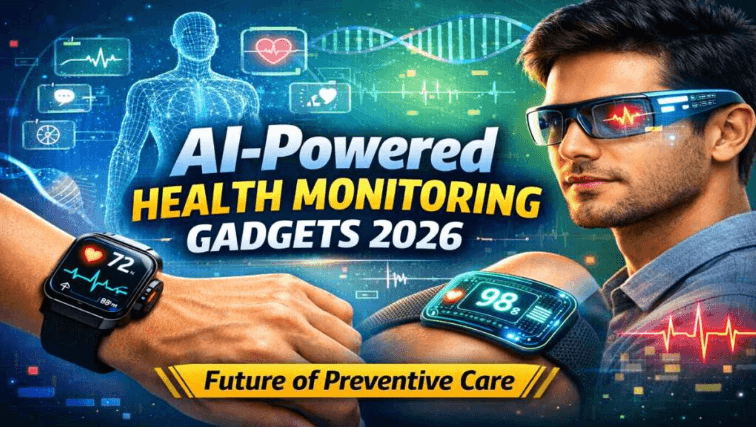
As technology advances rapidly toward 2026, Life-Reading technology, or “Life Reader,” promises to radically transform healthcare, well-being, and daily living. Imagine a world where biosensing, AI-driven analytics, wearables, and brain-computer interfaces seamlessly converge to continuously monitor your health and vitality—anticipating illness, optimizing productivity, and customizing your insurance or lifestyle plan in real time. This article offers an in-depth look at how Life Reader systems interpret human signals, the technological breakthroughs behind them, their societal and economic impact, and the crucial privacy and ethical concerns that every user should consider in this digital health revolution. Dive in to discover what Life Reader means for tomorrow’s healthcare and personal empowerment.
Life Reader: How Life-Reading Technology is Transforming Health and Vitality by 2026
Understanding the Concept of Life Reader
Definition and Evolution of ‘Life Reader’
Life Reader refers to an ecosystem of devices, sensors, and AI-driven platforms capable of continuously sensing, interpreting, and predicting individual health and physiological states in real-time. It is the culmination of advancements in biosensing, wearables, brain-computer interfaces (BCIs), and AI analytics—designed not just to treat illness but to proactively enhance healthspan and quality of life.
Historically, health monitoring was periodic—annual physicals, symptom-driven doctor visits, or at best, the use of simple fitness trackers with intermittent data. By 2026, the convergence of compact biosensors, AI, and seamless device integration has given rise to a new paradigm: continuous life-reading, where vital signs and emotional states are part of the digital health fabric.
How Life-Reading Tech Interprets Human Signals
Life Reader systems gather granular biometric data (heart rate, oxygenation, glucose levels, stress hormones, brain waves) and combine it with environmental context (activity, location, air quality). This vast data stream is interpreted using:
- Machine learning models trained on health outcomes
- Signal processing for noise-free insights
- API integration for compatibility with insurance, health apps, and notification systems
The critical innovation: context-aware interpretation. For example, a spike in heart rate while climbing stairs is normal, but the same spike during rest triggers an alert.
Core Technologies Driving Life Reader Systems in 2026
Key Life-Reading Technologies (Comparison Table)
| Technology | Core Function | User Impact | Emerging in 2026 |
| Advanced Wearables | Multi-sensor biosensing | Continuous health and mood tracking | Up to 62% adult adoption |
| Brain-Computer Interfaces (BCIs) | Neural activity decoding | Real-time emotional and cognitive analytics | Growing in neurotech markets |
| Ambient Biosensors | Environment and biometric fusion | Smart home and workspaces with health triggers | Integrating with IoT infrastructure |
| AI Diagnostics | Predictive alert generation | Disease risk modeling and lifestyle nudging | Embedded in most health platforms |
Role of Brain-Computer Interfaces in Everyday Life
By 2026, brain-computer interfaces have moved from the lab to practical use. Non-invasive BCIs, integrated with AR/VR headsets and smart earbuds, allow users to:
- Monitor cognitive strain, attention, and emotional states
- Control digital devices hands-free with thought
- Support neurofeedback for focus, mood, and memory enhancement
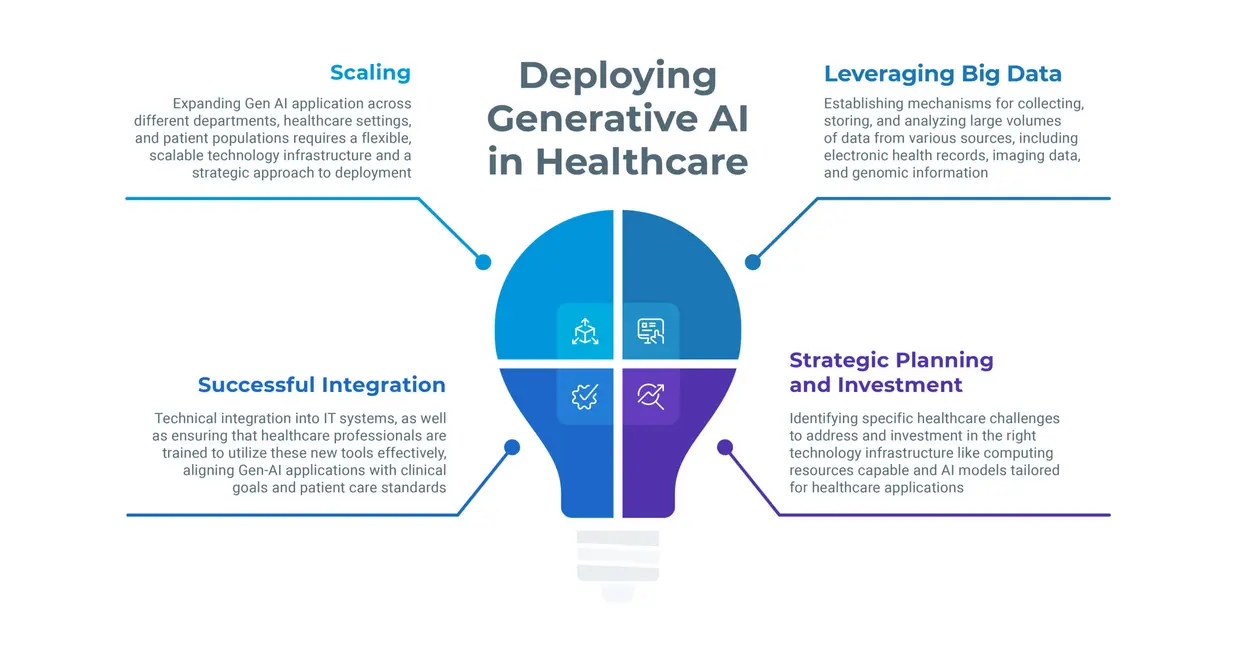
Companies like Neurable, NextMind, and major tech players are launching BCI-enabled consumer products in education, gaming, and workplace wellness—making cognitive insights part of the everyday user experience.
Wearables, Biosensors, and Continuous Health Monitoring
Current and Emerging Wearable Devices for Life Reading
The wearable market is exploding—with wristbands, adhesive skin patches, and smart rings now joined by:
- Smart textiles with embedded ECG/EMG sensors
- Earpods measuring EEG, blood pressure, and blood oxygen
- Implantable glucose and hormone monitors
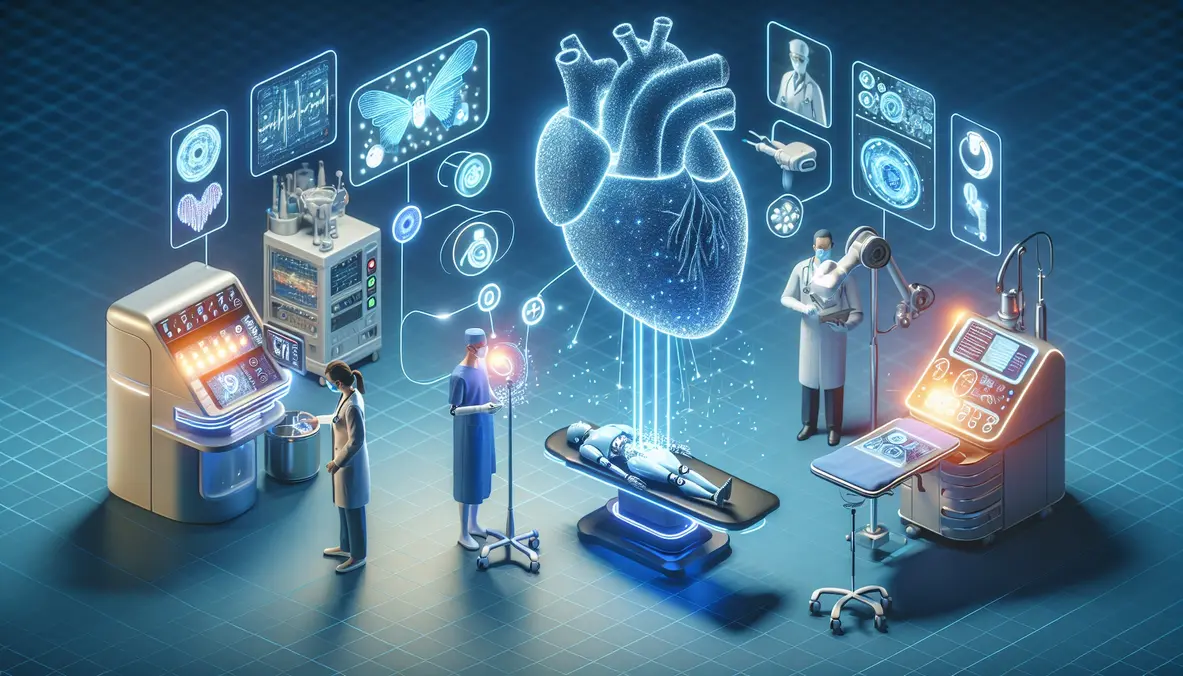
Adoption Statistics by 2026
- Over 62% of US adults use advanced health wearables.
- 27% of high-risk patients have continuous biosensing insurance incentives.
- 14% of neurodivergent workers use BCI-enabled productivity tools.
Ambient Biosensing: Use Cases and User Stories
Ambient biosensors (in smart home hubs, car seats, office chairs) provide passive health insights:
- Detecting elevated stress via heart rate variability (HRV) and micro-sweat analysis during meetings
- Alerting families to irregular sleep/respiratory patterns in aging parents, preventing falls or incidents
- Real-time air quality, pollen, and allergen influence on users with asthma, managed via smart HVAC
User Story
Maria’s Smart Office: Diagnosed with hypertension, Maria wears a BCI-enabled headset at work. Her office chair’s biosensor detects rising anxiety, and the system suggests a two-minute meditation before her next call, automatically dimming lights and piping in calming music.
AI, Data Analytics, and the Shift to Preventive Healthcare
AI’s Role in Real-Time Diagnostics and Decision-making
The core of Life Reader solutions is not hardware alone, but the AI models transforming data into actionable intelligence.
- Predictive alerts anticipate arrhythmia, hypoglycemia, or impending anxiety attacks.
- Continuous pattern recognition: Detects subtle changes—such as a downward trend in HRV—weeks before illness symptoms.
- AI-driven coaching: Provides personalized nudges (drink water, take a walk, check blood sugar, sleep at a consistent time).
Survey Results (Global Healthcare CIOs, 2025):
- 84% say Life Reader-based platforms reduced preventable ER visits in pilot populations.
- 67% of employers cite improved worker productivity and wellbeing via continuous biosensing and AI analytics.
Preventive Economics: From Illness Treatment to Healthspan Extension
Case Study Table: Preventive Health vs Reactive Health Costs (2026, US Market)
| Approach | Avg. Annual Cost per User | Outcome |
| Reactive (Acute) | $8,500 | Short-term illness focus |
| Preventive (Life Reader) | $5,100 | Extended healthspan, lower ER use |
The data is clear: Investing in continuous biosensing and early intervention reduces hospitalizations, chronic disease progression, and total healthcare costs.
“The true power of Life Reader is shifting economics—fewer avoidable emergencies, more dollars spent on keeping people well, and the ability to scale personalized prevention for all.”
— Dr. Anjali Desai, Chief Medical Informatics Officer, Pacific Health Partners
Related Reading: For further insight into how digital health is extending beyond wearables, see Watch more.
Societal and Economic Impacts of Life-Reading Technologies
Market Adoption: Insurance, Home Care, and Personalized Health Plans
Life Reader adoption is transforming traditional industries:
- Major insurers (e.g., UnitedHealth, Cigna, Vitality) now offer premium reductions for users of continuous life-monitoring wearables.
- In-home health services deploy ambient biosensing and remote AI dashboards, reducing unnecessary home visits.
- Personalized health plans adapt coverage in real time, based on lifestyle and risk detected by wearables.
List: Major Insurers Supporting Continuous Life Monitoring
- Vitality Health
- UnitedHealthcare RenewActive
- Cigna SmartCare
- Aetna NextGen Preventive
- Humana Digital Life
This shift means greater individual agency over well-being—and a reduction in system-level costs through prevention and early detection.
Integrating Life Reader in Work and Lifestyle
- Remote employees’ cognitive workload monitored for burnout prevention (BCIs + behavioral analytics)
- Workplace “wellness nudges” delivered contextually, like hydration reminders or breaks after stress spikes
- Medication adherence tracked via smart ingestibles or patches, with real-time alerts to clinicians and caregivers
AI, Robotics, and Enhanced Productivity through Life Data
Beyond health, Life Reader platforms transform education, productivity, and safety:
- Robotics adapt to human physiological state: Smart exoskeletons for warehouse workers adjust support as fatigue sets in.
- Personalized educational content delivered when attention (measured via BCI/EEG) is highest.
- High-risk jobs (pilots, surgeons, truckers) use continuous cognitive load and alertness scoring to prevent mistakes.
Privacy, Security, and Ethical Considerations in Life Reader Adoption
Digital Identity and Data Ownership in Life Reading
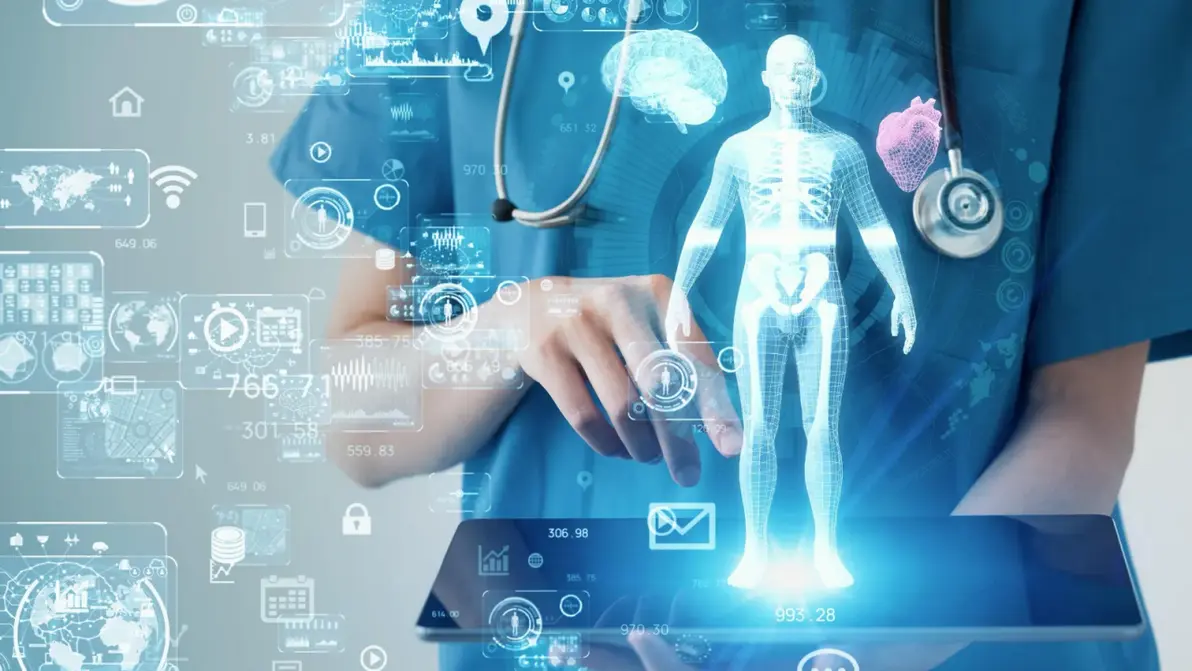
As health data becomes continuous and deeply personal, pressing questions arise:
- Who owns the raw biosignals, and how is consent managed for downstream analytics?
- Can users audit, download, or permanently delete their Life Reader logs?
- How do third-party integrations (insurance, employers) balance utility with discrimination risks?
Balancing Centralization, Control, and User Agency
Ethical frameworks emphasize:
- Secure, encrypted storage (edge AI to avoid unnecessary cloud uploads)
- Transparent data flows (audit trails, user dashboards showing where data goes)
- Federated analytics—sharing insights, not raw data, with external parties
Five Ways to Protect Your Life Reader Data Privacy
- Choose devices with end-to-end local encryption and open source firmware
- Use platforms supporting user data export and deletion
- Opt-out of non-essential data sharing with insurance/employers
- Regularly audit app permissions and integration logs
- Set strong MFA and hardware keys for health data accounts
Expert Analyses and Future Outlook for Life Reading
Trends Shaping 2026 and Beyond: From AI Layoffs to Neuromorphic Computing
The coming years will see even deeper integration:
- Neuromorphic chips promise faster, privacy-preserving biosignal interpretation at the edge.
- People analytics moves beyond office workers to factory, remote, and gig jobs.
- Life Reader data shapes public health—predicting epidemics, guiding urban design, and tuning social policy.
- Potential for “AI layoffs” in healthcare—aided by automation, but raising questions on the role of human empathy.
Frequently Asked Questions About Life Reader Tech (FAQs)
What are the best use cases for Life Reader in 2026?
Chronic disease management, stress reduction, accident prevention, personalized nutrition, workplace productivity.
Are these systems available to consumers now?
Yes, top-tier wearables and BCI devices hit mainstream adoption in 2025–2026. Insurance-integrated options are expanding rapidly.
How secure is my biometric or cognitive data?
Leading platforms use end-to-end encryption, with most shifting toward edge analytics. Always review user data policies before onboarding.
Will my Life Reader device work with older insurance or employer systems?
Most offer open APIs or backward compatibility, but check integration lists—especially for older platforms.
Technical Analysis: Real-World Integration (API, Device Compatibility, Edge AI Use)
- APIs enable seamless health plan, home automation, and medical record integrations
- Most devices shifting to on-device inference, reducing cloud dependency and latency
- Open standards (e.g., FHIR+, Matter for smart homes) improve future-proofing and choice
Checklist: Choosing a Life-Reading Wearable for 2026
- Multi-sensor suite (heart, glucose, HRV, EEG/BCI)
- Encrypted, local-first data storage
- Open, well-documented APIs for third-party integration
- User-controlled data export and deletion options
- Cross-device compatibility (iOS, Android, wearable OSs)
- Up-to-date clinical validation and regulatory approval
Conclusion: Life Reader & The Future of Vitality
Life Reader technology is not just about gadgets—it’s a societal shift toward empowered, personalized, and preventive health. With mass market adoption, robust AI, and increasing integration with insurers, employers, and caregivers, the question is not if—but how—you’ll use continuous biosensing and life-reading tools to extend your vitality in 2026.
As you navigate this digital health revolution, prioritize security, agency, and ethical adoption. The potential benefits—longer healthspans, earlier intervention, and true user empowerment—are too great to ignore.
Next Recommended Reading: Explore deeper insights and future trends in the AI-powered wellness space in Watch more.
👉 Our Website: Watch more
👉 Our YouTube Channel: Watch more
👉 Our Facebook Fanpage: Watch more
👉 Our X (Twitter): Watch more