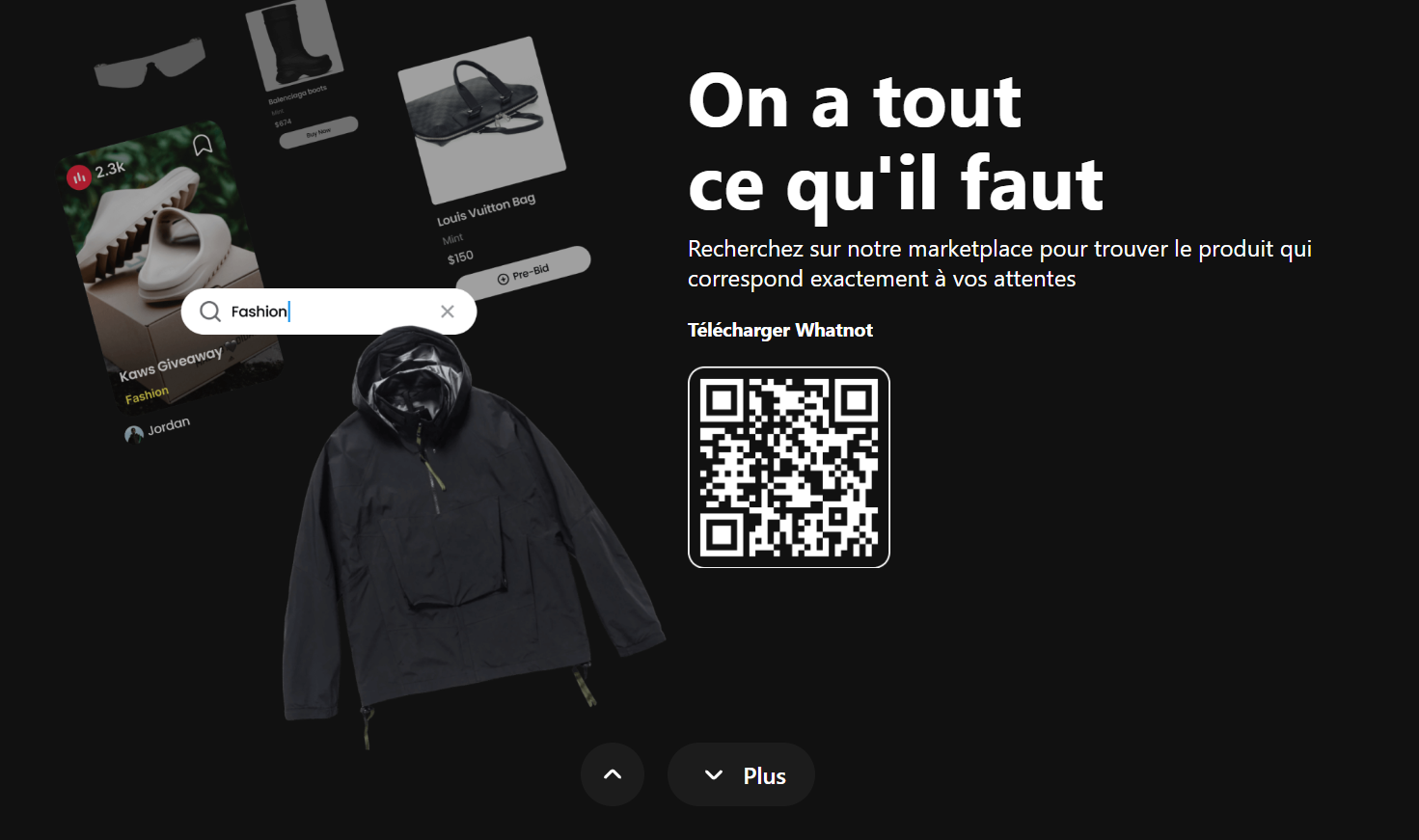
If you have ever lost an hour watching a stranger crack open a box of trading cards, hold up a pair of sneakers to the camera, or auction off a bag of vintage jewelry while a chat room cheers, you already understand the pull of live shopping. Whatnot is the app that turned that feeling into a business. It is a livestream marketplace where sellers go live on video, show real items, answer questions in real time, and sell through auctions, timed giveaways and fixed price listings, while buyers bid, chat and check out without leaving the stream. Founded in 2019, Whatnot says its sellers generated more than $8 billion in live sales in 2025, up from roughly $3 billion the year before, and the company announced a $545 million Series G at a $20 billion valuation in August 2026. For anyone who sells physical goods online, or buys collectibles, fashion, beauty and electronics, it is now one of the most talked about platforms on the internet.
The appeal is different for each side. Buyers get entertainment, community and the chance to snag a deal at the end of a countdown timer. Sellers get a built in audience, instant feedback and a commission that starts at 8% with no listing fees and no monthly subscription. This 2026 review walks through how Whatnot works, what makes it stand out, the full fee structure including the new tiered commission rates that began in September 2026, real competitors, honest limitations, who should use it, and exactly how to get started.
Whatnot Review 2026: The Live Shopping Marketplace Where Collectors, Resellers and Creators Buy and Sell in Real Time
Overview and Background
Whatnot is a live video marketplace built around a simple idea: shopping is more fun, more trusted and more profitable when it happens in front of a crowd. Sellers schedule shows, go live from their phone or computer, and sell items on camera. Viewers join for free, watch, chat, and bid or buy in the app. When an auction timer ends, the highest bidder wins and Whatnot charges the payment method saved on the buyer’s account automatically. Sellers then ship the order, usually using Whatnot’s prepaid labels, and are paid out to their bank once the order is confirmed delivered.
The company started with collectibles, especially trading cards, comics, coins and sneakers, because those communities already run on expertise, relationships and trust rather than price comparison. It has since pushed hard into mainstream categories. The platform advertises more than 250 categories, and Whatnot’s own 2026 seller report points to explosive growth in beauty, electronics, jewelry and women’s fashion alongside its core sports card business. Whatnot reports more than 20 million new accounts created in 2025 and more than 650,000 new users joining every week.
Whatnot has also become an international business. Sellers can currently apply from the United States, Canada, the United Kingdom, France, Germany, Austria, Belgium, the Netherlands and Australia, with regional hubs in the US, UK, Ireland, Poland and Germany. In 2026 it added a Shopify integration so merchants can bring their existing catalog into the live selling workflow, and its latest funding is earmarked partly for AI features that help sellers run better shows. That makes it relevant to the professionals, small business owners and digital creators who read AI Solutes, not just to card collectors.

Why Whatnot Stands Out in 2026
Live video that actually converts: Static marketplaces ask buyers to scroll through photos. Whatnot lets them watch a seller open a pack, inspect a jacket or show the real condition of a coin before bidding. That transparency builds trust fast, and the countdown timer creates a sense of urgency that browsing never can. Industry write ups consistently describe the platform as a destination app, where people open it specifically to shop rather than to be entertained and then nudged toward a purchase.
Scale and momentum that are hard to ignore: Whatnot reported more than $8 billion in live GMV for 2025, and by mid 2026 the company said it had already surpassed that full year total in the first half. Its valuation climbed from about $5 billion in January 2025 to $11.5 billion in October 2025 and then to $20 billion in August 2026. Growth like that brings more buyers into every show, which is the single biggest factor in whether a seller does well.
Low commission with no listing fees: There is no monthly subscription, no listing fee and no cost to go live. Sellers pay a commission only when an item sells, starting at 8% in the US, and Whatnot introduced automatic volume tiers in September 2026 that reward high performing shops with lower rates. Payment processing is charged separately, which we break down in the pricing section.
A wide range of categories: Trading cards, sports memorabilia, comics, coins and bullion, sneakers, vintage fashion, designer bags, beauty, plants, toys, electronics and more all have active communities. A seller with a niche can usually find an audience, and a buyer with an unusual obsession can usually find a show.
Built in buyer and seller protection: Whatnot publishes a Buyer Protection Policy covering orders that do not arrive, arrive damaged or are not as described, and a Seller Protection Policy that shields sellers who follow the shipping and packaging rules. Sellers go through identity checks before they can stream, which filters out a lot of anonymous bad actors.
Tools for turning a hobby into a business: Whatnot’s report says 53% of sellers now make most of their annual sales through live commerce, sellers average about 23 hours a week streaming and running their business, and roughly one in eight sells full time. Features such as scheduled shows, giveaways, raids, bundling and the Shopify integration are designed to support that kind of professional workflow.
Growing guardrails for buyers: After criticism of gambling style mechanics, Whatnot has introduced optional spending limits, watch time controls and other tools that give users more control over how much they spend. They are optional, but they show the company is taking responsible use seriously.
Key Features and Technology
Whatnot’s strength is how neatly it combines entertainment, payments, logistics and trust in a single app. Here is how the experience breaks down for each side of the marketplace.
Live Auctions, Giveaways and Buy It Now
The core format is the live auction. A seller presents an item, sets a starting bid, and viewers bid in real time while a timer counts down. Many sellers start items at a dollar to build energy, while others use fixed price Buy It Now listings that remain available during and after the show. Timed giveaways reward viewers who engage and keep them in the stream. Most successful sellers mix all three formats, running quick auctions to create excitement and using fixed price items to capture buyers who prefer certainty.
Seller Tools and the Shopify Integration
Sellers schedule shows in advance so followers get notified, build a catalog of listings, and manage orders from a seller dashboard. Whatnot generates prepaid shipping labels, and sellers are expected to ship within two business days. The Shopify integration, available in several countries, lets merchants who already run an online store pull inventory into live shows instead of re entering everything by hand. For brands that already sell elsewhere, that lowers the barrier to testing live commerce considerably.

Payments, Shipping and Payouts
Buyers save a payment method in the app, and winning bids are charged automatically. Shipping costs are shown at checkout and paid by the buyer in most cases. Standard seller earnings are released after the carrier confirms delivery, and eligible sellers can qualify for faster early payouts. Because payments stay inside Whatnot, both parties are covered by the platform’s protection policies, which is why sellers who push buyers to pay by other means are a major red flag.
Trust, Safety and Moderation
Whatnot requires sellers to verify their identity, provide banking details and, in the US, tax information. Community Guidelines cover counterfeit goods, shipping timelines and conduct during streams, and the company says it has expanded moderation as it has grown. The format still depends on the integrity of individual hosts, so smart buyers check a seller’s rating, follower count and show history before spending serious money.
Pricing, Plans, and Package Structure
Whatnot is free to join as a buyer and free to start as a seller. There is no subscription and no listing fee, so you only pay when something sells. The cost has two parts. First, a commission on the item price, which in the US starts at 8%. Second, payment processing of 2.9% plus $0.30 per order, which applies to the full order total including shipping and sales tax. Since September 21, 2026, the commission also depends on your sales tier and your category, with the tier set by your total sales over a rolling four week period.
| Four Week Sales (US) | Sports and Trading Cards | Fashion | Other Collectibles | Other Categories |
|---|---|---|---|---|
| Under $15,000 (standard) | 8% | 8% | 8% | 8% |
| $15,000 to $34,999 | About 7.75% | About 7% | About 7.25% | About 7% |
| $35,000 to $49,999 | About 7.5% | About 6.5% | About 6.5% | About 6.5% |
| $50,000 to $99,999 | About 7.25% | About 5.5% | About 6% | About 5.5% |
| $100,000 to $249,999 | About 7% | About 5% | About 5% | About 4% |
| $500,000 or more | About 6.5% | About 4.5% | About 5% | About 4% |
Coins and money have their own lower schedule, starting at 4% and falling slightly with volume, and Whatnot offers custom rates as low as 3% to its very highest volume sellers. Outside North America and Australia the structure is different: sellers in the UK and Europe pay a standard commission of about 6.67% plus VAT and a processing fee of roughly 2.42% plus a small fixed amount. Whatnot has also run a limited time promotion that removes commission on the part of an item price above $1,500 in categories such as trading cards, coins, comics, jewelry and watches, so the effective cost on big ticket sales can be lower than the headline rate.
To see what that means in practice, a $100 item sold at the standard 8% rate costs $8 in commission, and processing adds roughly $3.20 on a $100 order before shipping and tax are included, so the combined fee lands near 11% to 12% of the item price. That is still well below the 13% to 15% range commonly quoted for standard eBay selling, but it is not a rounding error, and giveaways, shipping subsidies and packaging add to the real cost of running a show.
How Whatnot Compares to Alternatives
| Factor | Whatnot | TikTok Shop LIVE | eBay (standard and eBay Live) |
|---|---|---|---|
| Core model | Live first marketplace built around auctions and community | Discovery and checkout engine with live as one part | Search driven marketplace with a selective live program |
| Seller commission | 8% standard in the US, with tiers from September 2026, plus 2.9% + $0.30 | Varies by region and category, so check current rates | Often quoted around 13% to 15% all in for standard listings |
| Buyer intent | High, since users open the app specifically to shop | Mixed, since many users arrive to be entertained | High for search, lower for live |
| Strongest categories | Trading cards, collectibles, coins, sneakers, fashion, beauty | Beauty, fashion, home and impulse products | Almost everything, especially used and rare items |
| Seller access | Application with identity checks | Open to eligible sellers in supported regions | Live selling has been more restrictive |
| Best for | Personality driven sellers and collectors | Brands chasing reach with creators | Established sellers wanting search traffic |
vs. TikTok Shop: TikTok Shop has the larger audience and turns scrolling into checkout, but analysts note that live is only one piece of its business in the US and Europe, while for Whatnot live is the entire product. TikTok rewards entertainment and reach. Whatnot rewards repeat customers and community, which tends to suit collectibles and high consideration items better. Many serious sellers use both, treating TikTok as a top of funnel channel and Whatnot as the place where regular buyers return.
vs. eBay and eBay Live: eBay has decades of trust and an enormous global buyer base, and it has been expanding live selling quickly, but access to eBay Live has historically been more selective and the fee stack is heavier. Whatnot’s advantage is that live is native to every part of the experience and the commission is lower. eBay’s advantage is search traffic that finds buyers while you sleep. Sellers with deep inventory often keep their evergreen listings on eBay and run live shows on Whatnot for the items that benefit from a performance.
vs. other live platforms: Poshmark Shows, Fanatics Live and StockX Live all offer live selling in specific niches such as fashion, sports collectibles and sneakers. They are worth watching, but none matches Whatnot’s breadth of categories or its current momentum, which is why most new live sellers still start there.
Pros and Cons
What Buyers and Sellers Love
Genuinely entertaining shopping: Watching a live show with a passionate host and an active chat is far more engaging than scrolling product pages, and the community around each category keeps people coming back.
Transparent condition and pricing: Seeing an item on camera before you bid reduces surprises, and the auction format can produce real bargains when a stream is quiet.
Low barrier and low cost to start selling: There are no listing fees, no subscription and no cost to go live. You pay only when you make a sale, which makes testing the platform low risk.
Strong growth and a huge audience: Hundreds of thousands of new users joining each week means a seller who shows up consistently can build a following faster than on most marketplaces.
Written protection policies for both sides: Buyers are covered for non delivery, damage and items not as described, and sellers who follow the shipping rules and use prepaid labels have protection against unfair claims.
Limitations Worth Knowing
Buyer Protection has short windows and exclusions: Claims generally must be filed by the earlier of 30 days from purchase or 14 days from delivery, and some categories have much shorter deadlines. Buyer’s remorse is not covered, and nothing paid outside Whatnot is protected.
Customer experience reviews are mixed: Independent coverage notes recurring complaints about shipping problems, slow or inconsistent dispute resolution, thin customer support and uneven enforcement of guarantees. One consumer review site lists hundreds of reviews averaging under two stars. Many issues involve individual sellers rather than the platform, but the pattern is worth knowing before you buy.
The format encourages impulse spending: Countdown timers, random spins and fast bidding are designed to be exciting, and critics have compared some mechanics to gambling. Use the spending limit and watch time controls if you know you are prone to impulse buys.
Seller margins can be thinner than they look: Commission is only part of the cost. Processing fees apply to shipping and tax, giveaways are paid for by the seller, and volume selling can push prices down. Net earnings on low priced items can be modest, and running shows takes many unpaid hours.
Seller access is limited by country and category: Only sellers based in supported countries can apply, identity and tax checks are required, and gated categories need extra approval.
Platform dependence is real: Rates, tiers, promotions and policies can change with notice, and a seller who builds a whole business on one platform is exposed to those changes. Smart sellers keep an email list or a second channel as insurance.
Who Should Use Whatnot
Collectors and hobbyists: If you buy trading cards, comics, coins, sneakers or vintage items, Whatnot gives you a dense community, real time pricing and sellers who know their niche. Start by following a few well rated shows and watching before you bid.
Resellers with existing inventory: If you already flip items on eBay, Poshmark or Mercari, live selling can turn slow moving stock into fast cash and build a loyal buyer base. Start with the category where you have genuine expertise, because buyers can tell.
Small business owners and brands: Beauty, jewelry, apparel and electronics sellers can use live demos to show products in action, and the Shopify integration lowers the effort of testing the channel. Treat the first month as an experiment with a clear margin target.
Creators and personality driven sellers: If you are comfortable on camera and enjoy talking to an audience, Whatnot rewards exactly that skill. Consistency matters, and the sellers who stream often tend to see the biggest gains.
Casual shoppers hunting for deals: Buyers who enjoy the experience and set a firm budget can find genuine bargains, especially in fashion and beauty. If you dislike time pressure, stick to fixed price listings and use the spending controls.
Getting Started: Step by Step
- Create your free account. Download Whatnot from the App Store or Google Play, or sign up on the website. Browse a few shows in your favorite category to understand the pace before you spend or sell anything.
- Set up your payment method and controls. Add a card, review the spending limit and watch time options, and read the Buyer Protection Policy so you know the claim windows.
- Follow and watch a few sellers. Check ratings, follower counts and show history. Join chat, ask questions and place a small first bid to learn how checkout works.
- Apply to sell if you want to go live. Confirm you are 18 or older and based in a supported country, then complete the application with identity verification, bank details and, for US sellers, tax information.
- Plan your first show. Pick one category, prepare a mix of auction and fixed price items, schedule the show so followers are notified, and test your lighting and audio before you go live.
- Ship fast and review your numbers. Use Whatnot’s prepaid labels, ship within two business days, and track your real margin after commission, processing, shipping and sourcing before you scale.
Tips for Getting Maximum Value
Buyers should set a spending limit before every session, inspect items the day they arrive, and file any claim quickly because the windows are short. Never pay outside the app and never start with a chargeback, since both can remove your protection. Sellers should stream consistently rather than occasionally, start items at attractive prices to build energy, bundle shipping to protect margin, and keep careful records of every fee. Watch the new tier thresholds, because crossing a four week sales line lowers your commission automatically with no application. Above all, resist the urge to chase volume for its own sake, since the best sellers focus on margin, repeat customers and a niche they genuinely love.
Future Outlook and Final Assessment
The tailwinds favor Whatnot. Live commerce is one of the fastest growing corners of online retail, the company has the funding to keep expanding in Europe and Australia, and its move into beauty, electronics and fashion widens the audience well beyond collectors. The introduction of tiered commissions shows it is willing to compete for its biggest sellers, and its investment in AI and seller tools suggests the experience will keep improving.
The honest caveats remain. TikTok Shop and eBay are pushing hard into live selling, the buyer experience depends heavily on individual sellers, margins can be thinner than the headline commission suggests, and the format demands self control from shoppers. Within those limits, Whatnot is the most credible live shopping marketplace available today, with real traction, real protections and a real path from hobby to business.
Conclusion
Whatnot has done something rare in e-commerce: it made shopping feel like an event. It combines a huge and growing audience, a low cost way to start selling, written protections for both sides and a steady stream of seller tools, and it does so across hundreds of categories. It is not perfect, and its short claim windows, mixed support reviews and impulse driven format deserve respect. But for collectors, resellers, small brands and creators who want to meet customers face to face through a screen, it is one of the best opportunities online in 2026. Choose your category, set your budget or your margin target, and start with a few shows. Do that, and Whatnot becomes another tool that helps you make everything easy for the way you buy and sell.
Ready to join the live shopping boom as a buyer or a seller?
Explore more honest reviews, tutorials and tool comparisons to find the right tech for the way you work and live — at AI Solutes, where we make everything easy.
👉 Open Free Account: https://ai-solutes.com/whatnot
👉 Our YouTube Channel: youtube.com/@ai-solutes
👉 Our Facebook Fanpage: Facebook
👉 Our X (Twitter): @AISolutes