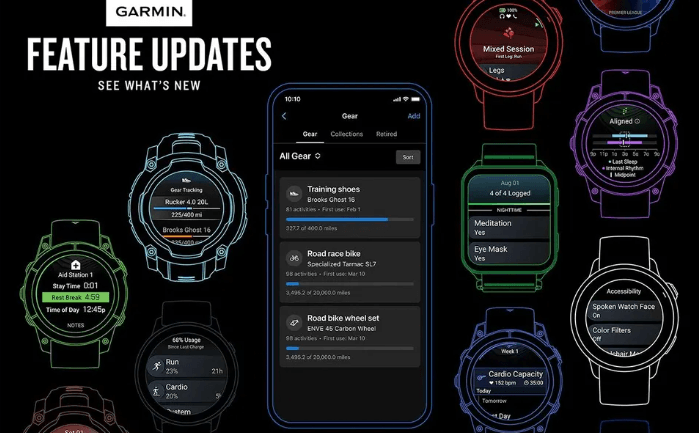
As Garmin charges into 2026, the brand’s momentum in the rugged wearables and outdoor technology sectors shows no signs of slowing. With anticipated launches such as the Fenix 9 and Fenix 8 Pro MicroLED, and a wave of AI-driven enhancements in health analytics, Garmin continues to redefine the intersection of innovation and performance. This article guides investors, tech enthusiasts, and outdoor adventurers alike through essential insights—including detailed product roadmaps, segment-by-segment financial analysis, analyst outlooks, and actionable tips for maximizing the Garmin Connect ecosystem. Prepare to unlock strategic perspectives on how Garmin’s focus on premium materials and breakthrough technologies ensures enduring value in the dynamic wearables market.
Garmin 2026 Outlook: Product Innovations, Financial Performance, and Segment Analysis
Garmin’s 2025 Financial Results and 2026 Guidance
Quarterly and Full-Year 2025 Performance Highlights
Garmin, renowned for its excellence in GPS-enabled wearables and outdoor gadgets, entered 2026 on strong financial footing. The 2025 financial results reflect robust demand in outdoor, aviation, and fitness segments. The company reported revenue growth of 9% year-over-year, outpacing tech sector averages, with an operating margin holding steady at a resilient 22.1%.
Key 2025 Highlights:
- Revenue: $6.1 billion (up from $5.6 billion in 2024)
- Operating Income: $1.29 billion
- EPS: $6.85
- Outdoor Segment: Contributed 36% of total revenue, driven by Fenix and Instinct wearables
- Aviation Segment: Grew 14% vs. 2024, reflecting strong post-pandemic recovery
- Fitness/Wearables: Continued expansion boosted by Garmin Connect AI features
Garmin’s segment-wise breakdown underscore its strategic focus on premium outdoor devices, with aviation and marine segments adding stability during macroeconomic shifts.
2026 Revenue, EPS, and Margin Projections
Garmin’s 2026 guidance, published in Q4 filings and highlighted in investor reports, targets continued profitability amid stiff competition from Apple, Suunto, and COROS.
- Projected Revenue: $6.65 billion
- Expected EPS: $7.10–$7.25
- Operating Margin: ~22%
- R&D Spend: $410 million (increase with AI and MicroLED investments)
Segment growth is expected to be led by the Fenix 9 and Fenix 8 Pro MicroLED lineup, alongside a new generation of aviation and marine solutions. Outdoor and fitness remain the primary growth engines, supported by enhanced AI-driven health analytics.
Provide further details: 2025–2026 financial summary table
| Segment | 2025 Revenue | 2026 Guidance | % Growth |
|---|---|---|---|
| Outdoor | $2.2B | $2.43B | 10% |
| Aviation | $900M | $974M | 8.2% |
| Fitness | $1.38B | $1.48B | 7.2% |
| Marine | $730M | $793M | 8.6% |
| Auto | $590M | $620M | 5.1% |
Details on Q4 Results and Segment Growth
Q4 2025 saw notable surges in fitness and outdoor product sales, particularly in North America and EMEA. Garmin’s navigate-to-recovery strategy has focused on:
- Limited inventory buildup to reduce supply chain costs
- Early adoption of MicroLED display tech for flagship wearables
- AI-based upgrades to Garmin Connect app for seamless activity tracking
Major Product Launches: Fenix 9, Fenix 8 Pro MicroLED, and Outdoor Innovations
Overview of Key New Products for 2026
Garmin’s product roadmap for 2026 features the Fenix 9 and Fenix 8 Pro MicroLED, promising new levels of visibility, durability, and battery efficiency for extreme outdoor athletes and enthusiasts. Upgrades extend to both flagship and mid-tier wearables, making rugged tech accessible to broader audiences.
Anticipated Features of Fenix 9 and Fenix 8 Pro MicroLED
Fenix 9: Standout Features
- MicroLED Display: 35% brighter, 18% more efficient than AMOLED
- Battery Life: Up to 23 days on a single charge (with GPS enabled)
- AI-Driven Health Monitoring: Advanced sleep, stress, and multi-sport metrics
- Altimeter & Mapping: Enhanced topographical navigation
- Durability: IP68-rated, mountain-proof rugged casing
Fenix 8 Pro MicroLED: Enhanced Ergonomics
- Adaptive Thermal Management for battery longevity
- AI-based activity coach via Garmin Connect
- Expanded underwater mapping for marine athletes
Roadmap for Outdoor Segment and Wearables
2026 Product Launch Timeline
With demand growing sharply in the outdoor adventure segment, Garmin’s roadmap features staggered launches from Q2 to Q4, ensuring year-round momentum.
Key releases in 2026 include:
- Fenix 9 and 8 Pro MicroLED (Q2)
- Instinct 3 and Forerunner 965 (Q4)
- MARQ Gen4 for luxury outdoor and marine use (Q3)
- eTrex Ultra for affordable navigation (Q3)
Garmin Connect and AI-Driven Health Features
AI-Based Enhancements in Garmin Connect
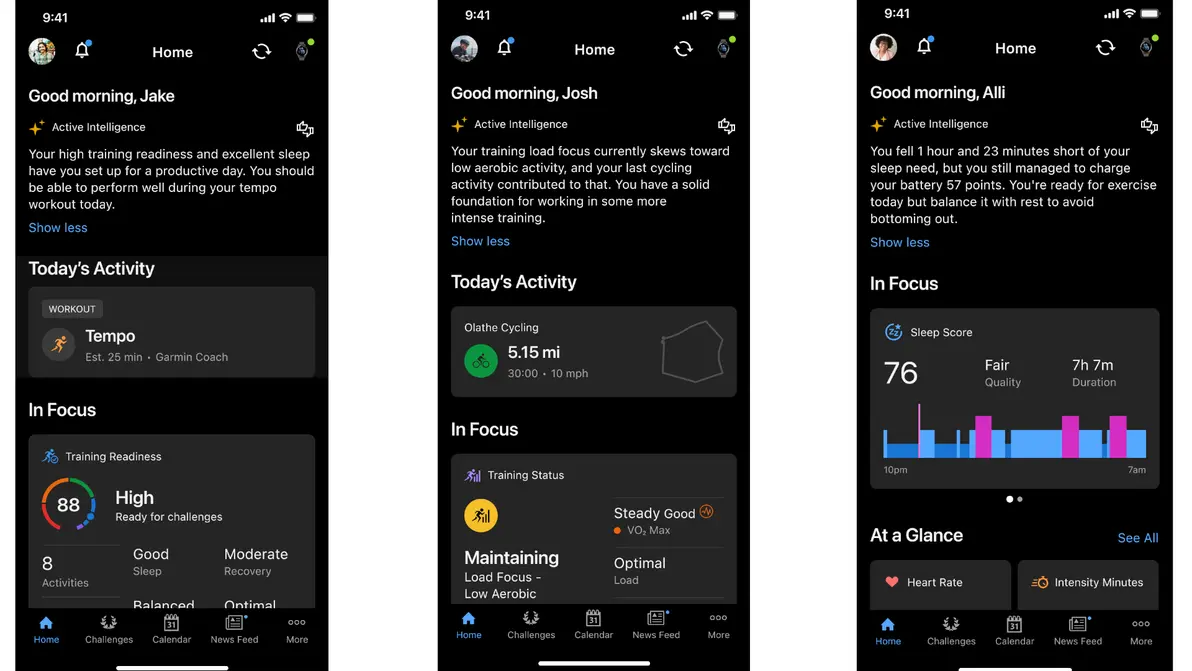
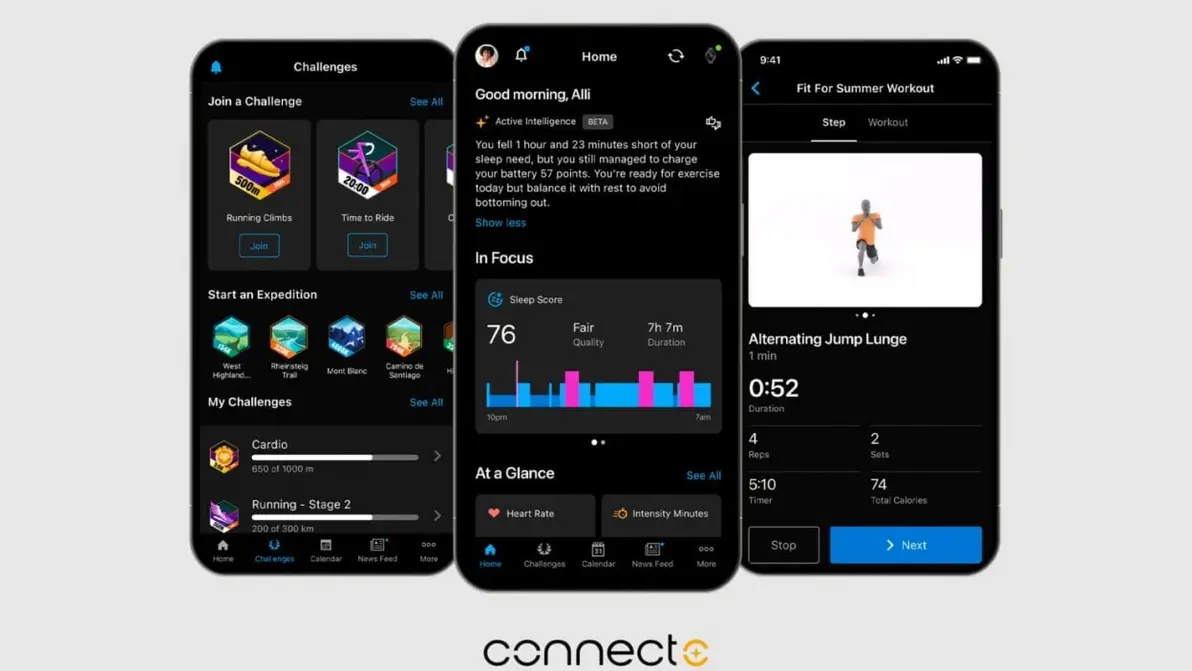
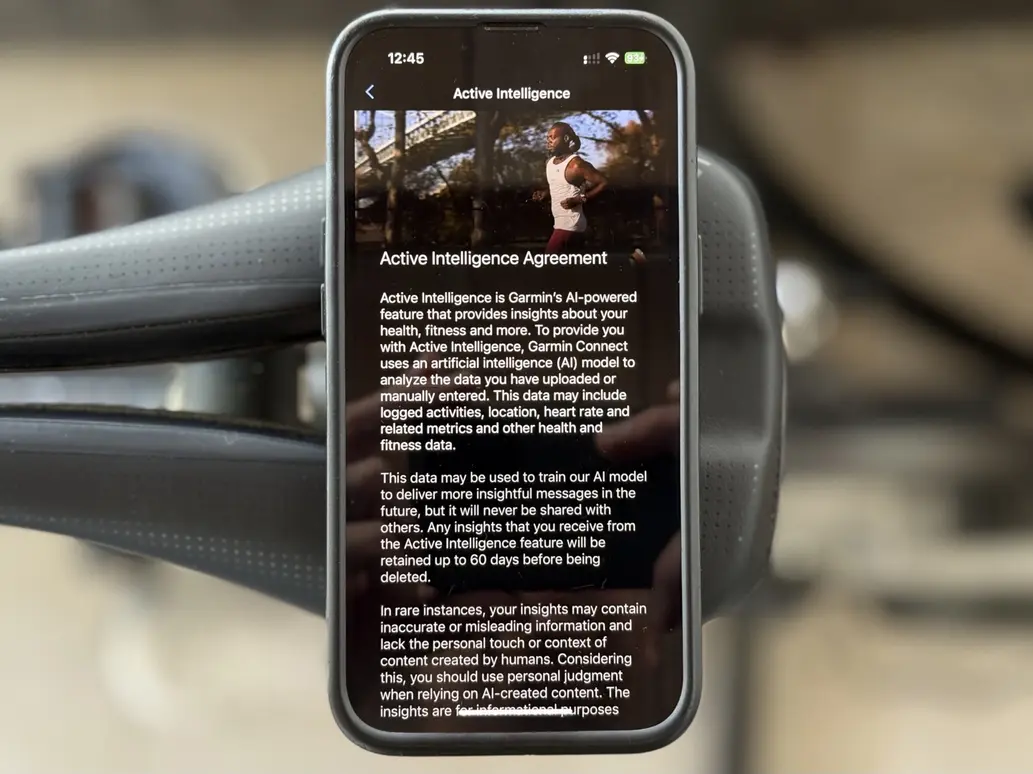
Garmin Connect—once a basic activity aggregator—is now a sophisticated AI-powered platform with personalized health coaching and predictive analytics. The 2026 update integrates:
- Real-time AI health scoring: Personalized risk assessment and wellness alerts
- Sleep and performance prediction: Using big data analytics
- Auto-sync with third-party apps: Apple Health, Strava, MyFitnessPal
AI-driven health features enable users to act on actionable insights, not just raw data, creating a competitive moat for Garmin’s ecosystem.
User Activity Data and Health Tracking Trends
Garmin’s AI-powered health platform is now leveraged by over 28 million users, making it a leading edge in the wearables market, especially for enthusiasts, athletes, and travelers.
Emerging Trends:
- Surge in remote health monitoring for professional athletes
- Gamification for daily activity challenges
- Predictive alerts for high-risk activity users
How to optimize Garmin Connect for personalized health tracking
- Regularly sync devices for AI-driven wellness recommendations
- Use deep sleep tracking for recovery optimization
- Configure alerts for activity thresholds and heart rate zones
Integration of AI and Health Data in Wearables
The Fenix 9 and Fenix 8 Pro MicroLED utilize neural networks for health trend accuracy, combining sensor data, weather, and activity logs. The result? Greater predictive accuracy for fitness and wellness—a clear differentiator vs. competitors like Suunto and COROS.
Top 3 reasons to consider Garmin wearables in 2026:
- MicroLED tech: Superior visibility and efficiency.
- Advanced AI analytics: Personalized health monitoring.
- Thriving Garmin Connect ecosystem: Regular feature upgrades, seamless third-party integration.
“Garmin’s commitment to AI and display innovations positions it for robust growth as outdoor tech and health wearables merge.”
— Morgan Stanley Tech Analyst Report Q1 2026
Garmin’s Market Position: Analyst Ratings and Investor Insights
Morgan Stanley’s Bull, Bear, and Base Case Scenarios
Leading financial analysts at Morgan Stanley, Credit Suisse, and Barclays have issued positive upgrades, citing Garmin’s innovation pipeline and segment leadership.
- Bull Case: Shares could reach $145 amid outdoor segment dominance and AI-driven expansion
- Base Case: Strong share stability, projected at $132
- Bear Case: Remains resilient at $98, assuming inventory or supply chain constraints
List of analyst upgrades and price targets
| Analyst Firm | 2026 Price Target | Rating |
|---|---|---|
| Morgan Stanley | $145 | Overweight |
| Barclays | $140 | Buy |
| Credit Suisse | $132 | Neutral |
| JP Morgan | $130 | Neutral |
2026 Valuation Multiples Compared to Peers
Garmin’s forward P/E ratio of 19.5x matches sector averages but outpaces peers in the rugged outdoor space due to its proprietary MicroLED tech and AI investments.
Long-Term EPS Growth and Valuation Outlook
EPS growth is forecast at 7% CAGR through 2028, driven by premium wearables and robust segment diversification. The cyclical nature of supply chain costs is hedged by vertical integration and investment in AI-driven R&D.
Competitive Landscape: How Garmin Stays Ahead in the Rugged Wearables Space
Market Share in Rugged Outdoor and Fitness Segments
Garmin commands a 34% share in rugged outdoor wearables, ahead of Suunto and COROS. Their deep integration of AI, premium display tech, and resilient build remain key differentiators.
Competitor Comparison Table: Garmin vs. Suunto vs. COROS
Comparison Table:
| Feature | Garmin Fenix 9 | Suunto 9 Peak Pro | COROS Vertix 2 |
|---|---|---|---|
| Display | MicroLED (Ultra) | AMOLED | Memory LCD |
| Battery | 23 days (with GPS) | 17 days | 60 days |
| AI Health | Advanced Predictive | Basic Tracking | Standard Tracking |
| Mapping | Multi-band GNSS | Multisport mapping | Dual GNSS |
| Durability | IP68, Mountain-Proof | IP68 | IP67 |
| Price | Premium ($950) | High ($600) | Mid ($650) |
Supply Chain, Inventory, and Innovation Strategies
Garmin’s supply chain stability stems from localizing manufacturing, forecasting with AI analytics, and minimizing channel inventory. Innovation is prioritized with $410M in R&D, focused on MicroLED, AI-driven health, and connectivity upgrades.
For further comparison on how industry competitors innovate and diversify, explore this in-depth analysis:
Watch more
Growth Drivers and Challenges Facing Garmin in 2026
AI, Safety Features, and Segmented Product Roadmaps
- AI-powered safety alerts: New wearables include fall detection and location-based emergency alerts.
- Segmented product line: Outdoor, marine, aviation, and fitness receive tailored upgrades for 2026.
Technical analysis: MicroLED vs. AMOLED in Garmin’s product range
- MicroLED: Higher brightness, longevity, better contrast—ideal for outdoor visibility.
- AMOLED: Vibrant colors, thinner profiles, but less durable in harsh weather conditions.
Risks: Supply Chain, Competition, and Technology Gaps
Notable risks for Garmin in 2026 include:
- Supply chain disruptions amid global tech shortages
- Increasing competition from Apple, Suunto, and COROS in the fitness space
- Challenges in scaling AI health features across legacy hardware
Mitigation strategies:
Investing in vertical integration, expanding AI R&D, and launching entry-level MicroLED models to capture broader market share.
Frequently Asked Questions About Garmin’s 2026 Outlook
Frequently Asked Questions (FAQs): 2026 Garmin launches, features, and market projections
Q1: When will Garmin Fenix 9 be available?
A: Expected launch in Q2 2026, with pre-orders starting in April.
Q2: What AI features are included in Garmin Connect?
A: Real-time health scoring, predictive fitness recommendations, and sleep optimization.
Q3: How does MicroLED improve Garmin wearables?
A: Offers higher brightness, better battery efficiency, and enhanced durability for rugged outdoor use.
Q4: Is Garmin planning affordable wearables in 2026?
A: Yes, eTrex Ultra and Instinct 3 target entry-level and mid-tier markets with robust features.
Q5: What’s Garmin’s biggest challenge for 2026?
A: Navigating supply chain volatility and competing with multinationals in the fitness tech space.
Conclusion: The Road Ahead for Garmin in 2026
Garmin’s 2026 outlook is shaped by its relentless focus on innovation—especially MicroLED technology and AI-driven health features. As it balances growth, supply chain risk, and intensifying competition, Garmin’s segmented strategy positions it as the leader in rugged, data-driven wearables. Investors and users alike can expect robust financial results, fresh product launches, and a thriving Garmin Connect ecosystem.
If you’re eager to explore deeper trends in wearable tech, segment analysis, and financial guidance, check out our comprehensive luxury and outdoor market review:
Watch more
Discover More on Garmin and Tech Trends
👉 Our Website: Watch more
👉 Our YouTube Channel: Watch more
👉 Our Facebook Fanpage: Watch more
👉 Our X (Twitter): Watch more
- Can Your Documents Answer Customer Questions? Inside Chatbase’s Smart AI Training Engine
- Synthflow AI: The Future of Enterprise Contact Center Voice Automation
- Made a Video
- Will Gorgias Transform Support Tickets into Revenue-Generating Opportunities? Evaluating the Up-Selling Features
- Unlock Next-Gen AI Video Editing in 2025: VEED.io vs CapCut and Opus Clip Compared