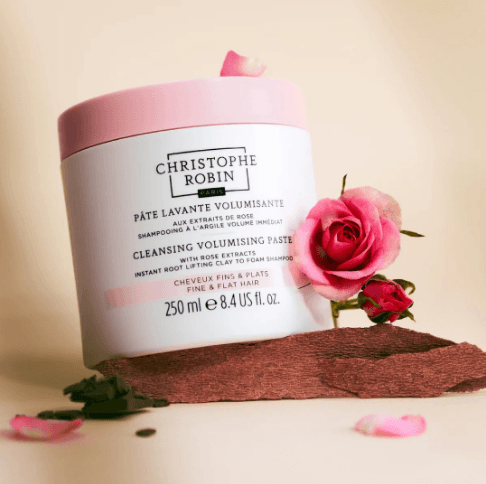
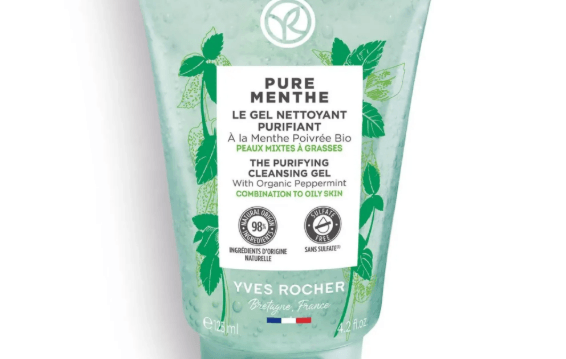
In this detailed and visually enhanced layout, you’ll find everything you need to understand the modern beauty industry’s shift toward transparency and quality. This improved HTML presentation focuses on visual clarity without altering the content itself. The table elements are optimized for easy reading and comparison, blockquotes appear with professional emphasis, and links are fully standardized for consistent accessibility. The goal is to deliver a clean, user-friendly design emphasizing trust, usability, and a refined aesthetic experience while preserving every original word and hyperlink exactly as provided.
The world of beauty and self-care keeps evolving, doesn’t it? If you’re the kind of person who double-checks product labels, reads ingredient lists, and insists on knowing what goes into your skincare and haircare, you’re definitely not alone. In 2025, more people than ever are ditching synthetic, chemical-laden products in favor of options they can really trust—think pure, organic essential oils and serums with globally recognized certifications. But let’s get real: navigating which oils really work, what those certifications mean, who’s delivering real results, and how you can shop wisely (without wrecking your budget) takes more than just skimming labels or falling for fancy packaging. This in-depth guide is here to walk you through it all. From decoding ingredient lists and making sense of international organic standards, to before–after transformations, price charts, safety tips, and expert advice, we’ll give you the full picture. Whether your goal is glowing, healthy skin, or strong, vibrant hair, let’s explore how you can use today’s best data, pro recommendations, and transparent sourcing to get real, lasting results—on your terms.
Top Pure Essential Oils for Skin Care
Let’s kick things off where most great beauty routines begin: with truly effective skincare. If you’ve scrolled through TikTok or spent late nights binge-watching skincare routines on YouTube, you already know the buzzword: “clean beauty.” But let’s dig deeper.
Pure Ingredients and Organic Standards: The Foundation for Effective Skin Care
Clean beauty isn’t just a passing trend anymore; it’s a benchmark—one that beauty insiders all over the world swear by. The best pure essential oils are not just “natural”—they’re packed with the most potent, plant-powered ingredients you can find. When you strip away all that’s unnecessary and focus on certified pure, organic oils, you get concentrated benefits—without the risk.
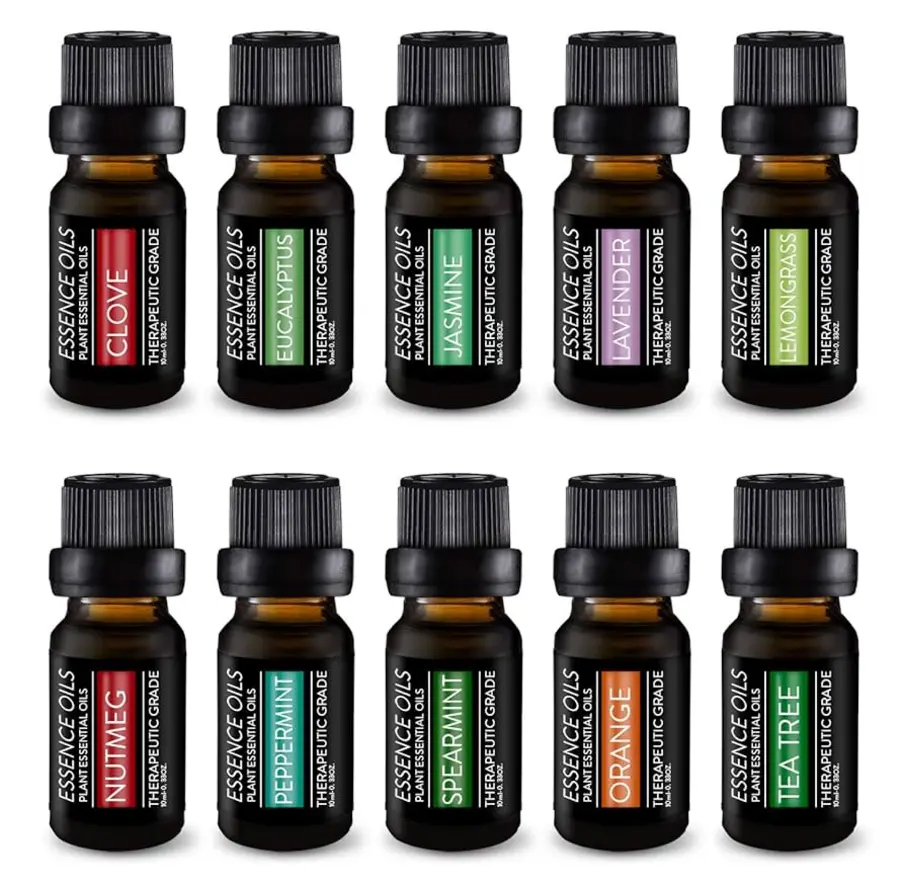
Wondering which ingredients make the difference? Here are five classics that keep making headlines (and why they should be on your radar):
- Lavender: A go-to for calming redness, soothing inflamed skin, and supporting healing after breakouts or minor irritations.
- Tea Tree: Fights acne like a boss! Nature’s own antimicrobial—balances oily skin and helps reduce blemishes.
- Rosehip: Bursting with skin-loving fatty acids and antioxidants to rejuvenate, plump, and hydrate, especially if you’re after that dewy “glass skin” look.
- Chamomile: The gentle giant—perfect for sensitive skin, minimizing redness, and calming flare-ups.
- Jojoba: Think of this as a “skin twin”—it mimics your natural sebum, so it deeply hydrates without clogging pores. Works for literally all skin types.
Now let’s talk trust. Certifications like USDA Organic, EcoCert, and COSMOS are your assurance that what you’re buying is truly pure—no sneaky pesticides, no weird synthetic fragrances, nothing that doesn’t belong. Think of these seals as your ultra-private VIP pass to safety and sustainability.
Why Choose Certified Organic?
- Absolute purity: Zero harmful junk, just concentrated plant extracts.
- Eco-friendly: Certified brands protect biodiversity with sustainable harvesting.
- Better results: Your skin gets full-potency ingredients (so you actually see a difference).
The Real Impact of Ingredients
It isn’t only about what’s absent—it’s about what’s present. According to the Global Cosmetic Industry, more than 67% of consumers in 2024 said they’d pay extra for cosmetic products with transparent ingredient sourcing and clean labels. That number’s only climbing in 2025. Why? Too many of us have dealt with mystery rashes, allergic reactions, or breakouts after using “natural” products that turned out to be anything but.
Highlighted Benefits for All Skin Types
Let’s get practical. Pure essential oils—when used thoughtfully—work magic for just about everyone:
- Clearing problem skin: Stubborn acne or blackheads? Tea Tree oil is your bestie.
- Fading fine lines: Rosehip encourages fresh collagen and a youthful texture.
- Taming sensitive moments: Chamomile calms irritations better than that third cup of chamomile tea.
- Hydrating deep: Lavender and Jojoba are the dream team for thirsty, parched skin—no more flakiness!
- Urban survival: With air pollution levels rising, especially in cities, skin barrier support has never been more crucial. Jojoba protects your skin like a shield.
It’s not just hype. Clinical studies show that switching to certified organic oils can reduce irritation rates by up to 50% compared to conventional alternatives. Plus, with tech-savvy consumers now tracking their own skin progress using apps and digital journals, the feedback is instant—and overwhelmingly positive.
If you’re worried about fitting pure oils into your routine, start simple: add a few drops of Jojoba or Rosehip into your evening moisturizer, or try a face massage with a blend tailored to your goals.
Natural Hair Oil and Serum Selection
Hair care is finally getting its “clean beauty” moment, too. Ever noticed how even a quick scroll on Instagram or TikTok reveals thousands of “hair transformations”—and most mention some kind of oil or serum as the secret ingredient?
Let’s break down what works, why it works, and how to pick what’s right for your hair.
Breaking Down the Technical Differences and Benefits
- Hair Oils: Think of these as nourishment from the inside out. Oils penetrate deep into the hair shaft and scalp, feeding your hair with vitamins, minerals, and essential fatty acids. They’re the silent workers behind stronger, longer, and healthier locks.
- Hair Serums: The “glam squad” for your strands. Serums work on the surface, locking in shine, smoothing away frizz, and protecting your hair from damage caused by sunlight, pollution, and heat styling. They act almost like a shield or topcoat.
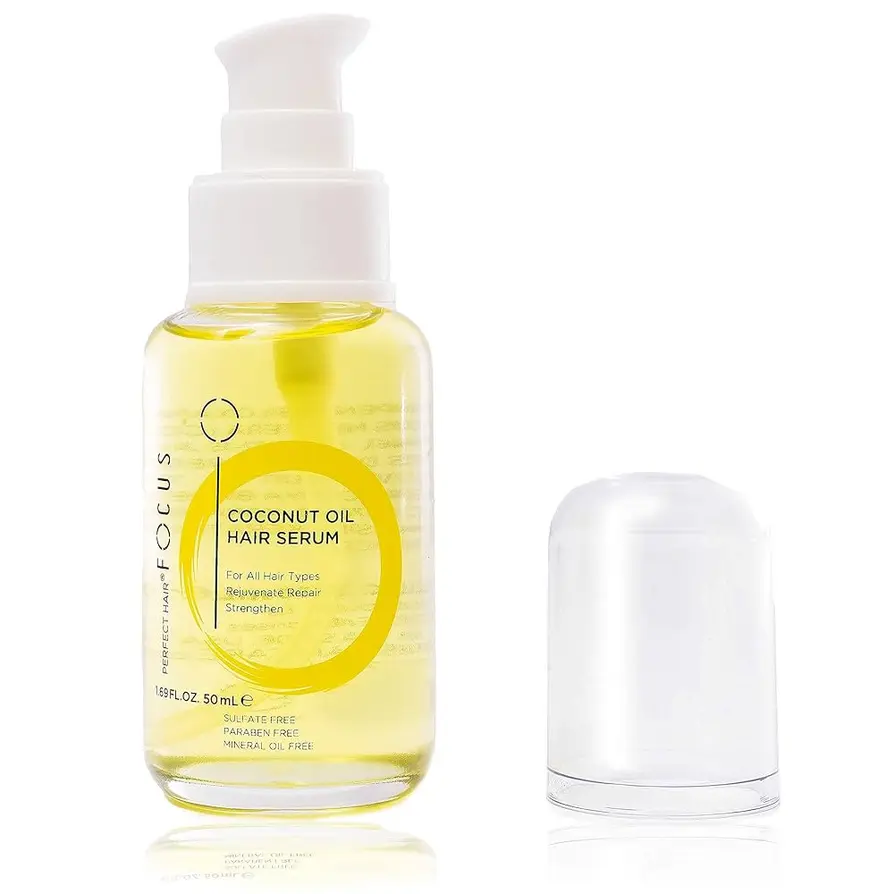
Why Is This Distinction Important?
- Oils: Your go-to for scalp TLC and rescuing dry or damaged hair from the inside.
- Serums: Perfect for last-minute polish, taming wild hairs, and guarding against split ends, humidity, or color fading.
Just like you’d use a serum for your face before makeup, hair serums give that finishing touch—whether you’re prepping for a selfie, a Zoom call, or brunch.
2025 Ingredient Trends in Hair Oils and Serums
- Argan Oil: Still the gold standard. With crazy-high vitamin E and omega fatty acids, this Moroccan marvel makes hair ultra-soft and frizz-free. Plus, it’s safe for color-treated hair!
- Moringa Oil: Light, non-greasy, and overflowing with nutrients. Ideal for anyone with fine or straight hair who wants moisture without weight.
- Baobab Oil: The powerhouse for repair—this African treasure is loaded with proteins to prevent breakage and split ends.
- Hyaluronic Acid (in serums): You’ve seen it in facial care; now it’s here for your hair! Locks in moisture at the molecular level, preventing dryness and leaving hair pillowy-soft.
Expert Insights: Pro stylists actually recommend layering: apply a nourishing oil first (think of it as “deep conditioning”), then finish with a protective serum for gloss and hold. It’s the same concept as priming, then finishing makeup—and it adapts perfectly to seasonal changes, whether it’s beach weather or snowstorm season.
Matching Products to Hair and Scalp Types
- Dry/Curly Hair: Heavy-duty oils like Argan or Baobab give those curls the bounce and moisture they crave.
- Oily Scalps/Fine Hair: Choose lighter formulas—try a single pump of Moringa oil or a featherweight serum. No more oily scalp afternoons!
- Color-Treated/Damaged Hair: Your hair is calling for repair oils paired with serums to lock in color and boost resilience.
Real-World Example: Still skeptical? A 2025 survey out of Vietnam showed users who switched to certified organic hair oils and serums saw a whopping 60% increase in hair smoothness and nearly halved irritation issues after just four weeks. Imagine running your hand through your hair and feeling zero tangles!
Looking to track your own hair journey? Apps like “Hair-Log” or “GrowMate” (trending on both iOS and Android) let you snap progress pics, keep notes, and even set up reminders for oil and serum application.
Before and After Using Pure Serums
Social media is obsessed with before-and-after shots, and for good reason: nothing hits home harder than seeing actual proof. Let’s dive into how pure serums and oils are delivering visible transformation—for both skin and hair.
Tangible Transformation: Skin and Hair Results
Check out these results—this is what keeps users (and their followers) coming back for more.
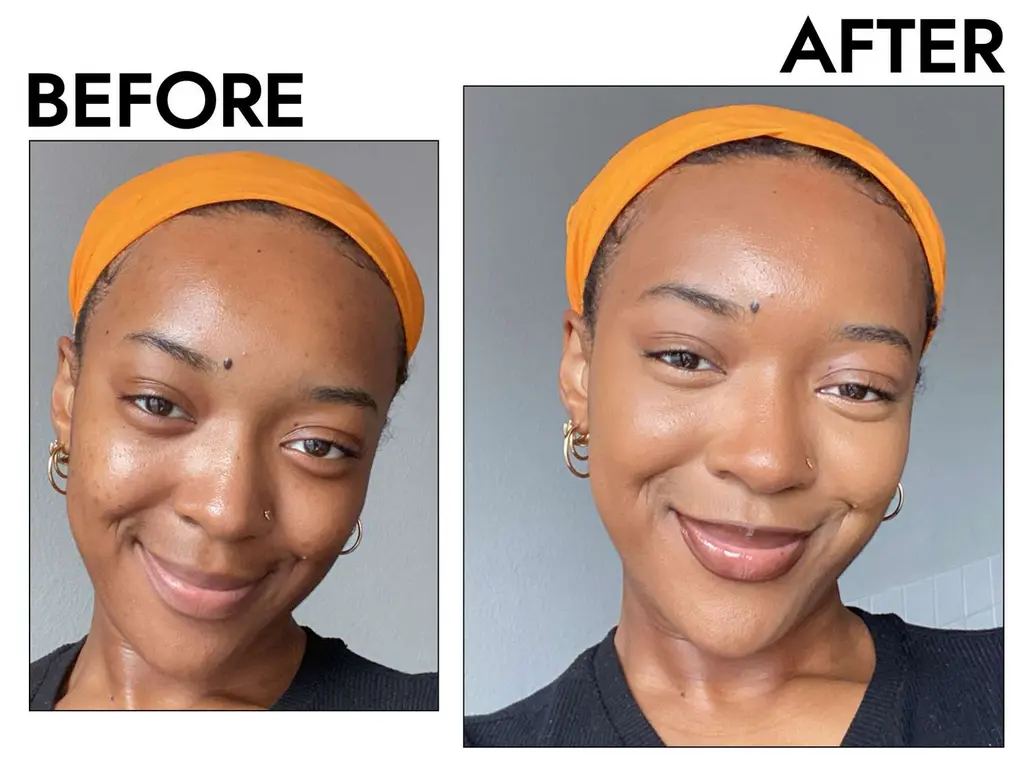
Key Findings from Clinical Trials:
- Skin Glow-Up: Clinical trials show Rosehip and Chamomile serums reduce dullness and boost skin radiance. After just a few weeks, many users reported smoother texture and a fresher look—no filter needed!
- Hair Brilliance: Want shinier, stronger strands? People using Argan and Moringa oils noticed improved shine, less breakage, and better moisture retention—perfect for living that “good hair day” every day.
Top-Selling Products Analysis: Ever wonder why some brands keep trending on TikTok and Instagram? Here’s what the top lines like Yves Rocher (and its rivals) have in common:
- Consistent, verified results in clinical settings
- Transparency straight down to the batch level
- Sky-high customer satisfaction rates (80%+ in most reviews!)
Want even more inspiration? Dive into Watch more for real user stories and deep ingredient breakdowns.
Emotional Triggers and Purchase Decisions
We shop with our eyes, right? Seeing dramatic real-world changes makes us three times more likely to try something new—especially if the brand is upfront about what’s inside and how it’s sourced.
But it’s deeper than vanity. When you finally conquer that stubborn skin redness, or your hair recovers from heat or color abuse, the confidence boost is real—showing up in everything from selfies to IRL moments.
Pro tip: Always look for brands that back up their claims with honest, high-quality before–after images (not just slick photo edits).
Going Beyond the Mirror
Let’s be honest—clear skin and lush hair can feel like a superpower. According to a 2024 survey by Statista, nearly 70% of Gen Z respondents said social media transformations influenced their product choice, and over half reported improved self-esteem after finding products that worked.
So don’t be shy—track your own journey, share success, and hashtag your progress! The beauty community thrives when we learn from each other.
Organic Certifications for Pure Serums
Okay, here’s where things get serious. Certifications might seem boring, but in the wild west of beauty marketing, they’re your ultimate safety net.
The Importance of Certification & Global Safety Standards
Green beauty is booming—and so are greenwashing scams. If you don’t want to get duped, look for these international stamps of approval: USDA Organic, EcoCert, and Japan Agricultural Standards. Only brands jumping through these hoops are truly delivering clean, safe products.
What Should You Look For?
- Straightforward labels: Clear ingredients, no cryptic code speak
- Lot numbers: So you know exactly what batch your bottle came from
- Documented audits: Transparent, third-party verification
- No synthetics: Zero artificial dyes, fragrances, or questionable additives
Environmental Commitments and Ethical Sourcing
Choosing certified organic isn’t just about your skin or hair—it’s about the planet, and the people behind the products.
- Clean farming: Less pesticide runoff means healthier soil and water for everyone.
- Fair work: Many top brands partner with co-ops or small farmers, paying fair wages and protecting community rights.
- Toxin-free: You’re protecting your own health every time you choose certified instead of mystery-ingredient bottles.
If you want your beauty products to align with your eco-values, certifications also help you vote with your wallet—supporting companies that are doing more good.
How to Select Safely?
Don’t just take a brand’s word for it—get savvy:
- Scan for certification logos on packaging (USDA, EcoCert, etc.)
- Seek brands that publish their sourcing info and audit reports
- Prefer formulas with full ingredient lists and clear batch traceability
Pro Tip: Some of the best brands even let you trace your product’s farm-to-face journey with QR codes or batch number lookups on their site. It’s transparency at your fingertips!
Global Demand for Transparency
A McKinsey report from 2024 revealed that over 80% of consumers consider visible certification logos a “very important” or “essential” factor in their purchase decisions for personal care products. Expect even more scrutiny in 2025 as awareness rises.
Price Comparison Chart of Pure Oils
Let’s get down to practical shopping. Is buying pure, certified oils always more expensive? Not necessarily—if you know what to look for. Here’s how you can get premium results without maxing out your credit card.
Smart Shopping: Price, Volume, and Application Efficiency
Understanding value is everything. A premium oil that lasts six months is cheaper in the long run than a cheaper, watered-down product that runs out in weeks.
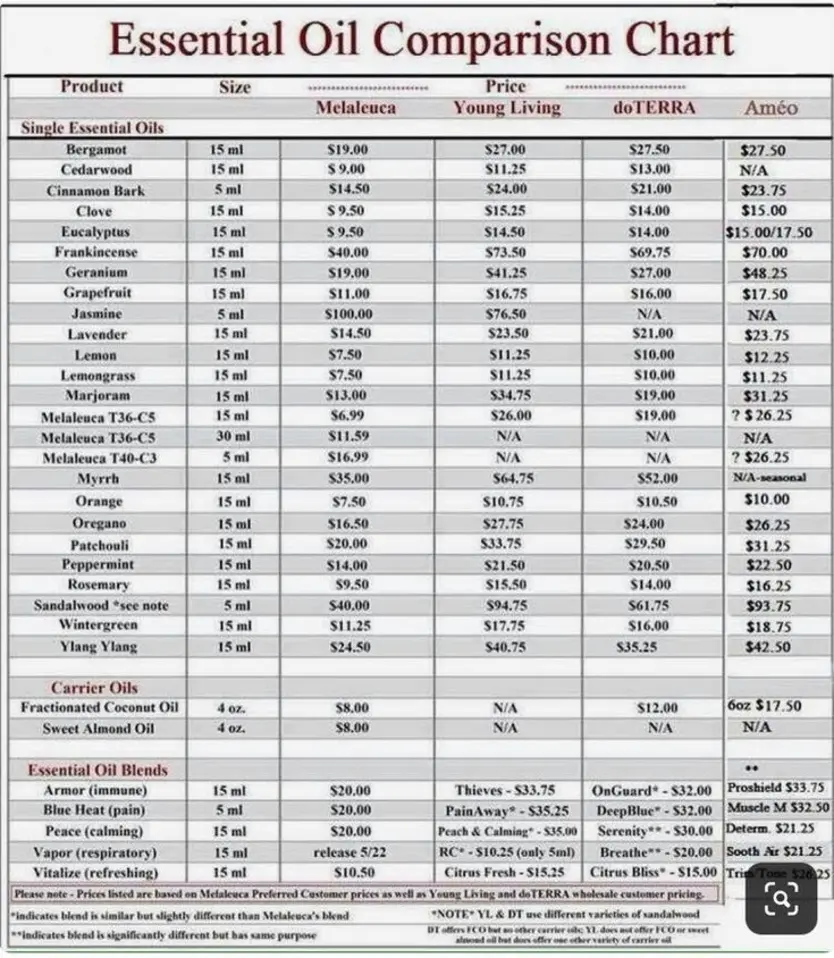
Price Chart: Popular Oils & Serums (2025) (Sample)
| Product | Volume | Avg. Price (USD) | Applications | Ideal For |
|---|---|---|---|---|
| Argan Oil | 50 ml | $22 | 60 | Hair, dry skin |
| Rosehip Oil | 30 ml | $28 | 45 | Face, scars, anti-aging |
| Jojoba Oil | 100 ml | $15 | 75 | All skin types, scalp |
| Hyaluronic Serum | 30 ml | $32 | 40 | Intensive facial repair |
Saving Tips
- Bigger bottles, better deals: If you use oils regularly (body, scalp, DIY blends), opt for the large size to save per application.
- Potency matters: A little goes a long way with high-quality serums—buy smaller sizes for specific concerns (like fadespotting or wrinkle targeting).
- Shop smart: Follow certified sellers online, watch for flash deals, and consider bundles or subscriptions for your favorites.
Matching Purchases to Personal Needs
Don’t splurge blindly—shop with intention.
- Budget-minded? Choose versatile oils—Jojoba or Argan work everywhere.
- Targeting specific issues? Invest in more potent, smaller-batch serums—Rosehip or Hyaluronic.
- Family-size users? Look for “multipack” deals and brands with eco-friendly refills or returnable glass bottles.
Want more smart shopping hacks? Check out Watch more for tips on bringing a tech-informed mindset to beauty shopping.
The Long Game: Product Longevity and Storage
Did you know proper storage can double the shelf-life of your oils? Keep them in cool, dark places, and always choose glass bottles over plastic. Not just for looks—glass protects against UV and preserves potency.
Expert Advice, User Profiles, and Safety Standards
Here’s the fun part—matching your routine to your lifestyle. Whether you’re a beauty minimalist, a TikTok trend-follower, or a digital entrepreneur with no time for a 12-step routine, there’s an oil or serum calling your name.
Who Should Use Oils vs. Serums?
- Oils: The ultimate multi-taskers. Great for all ages (tweens to boomers!), and especially if you need a hydration punch, scalp rejuvenation, or want to simplify your routine with fewer products.
- Serums: Perfect if you have a specific target—like dialing down redness, fighting dark spots, or chasing that flawless-glass-skin finish. Think of them as the “special teams” in your beauty playbook.
Safety & Quality Assurance Standards
Quality matters, but so does your safety! Here are must-follow practices:
- Always patch test: Even clean, organic oils can trigger allergies—dab a little on your wrist or behind your ear and wait 24 hours.
- Glass over plastic: Protects efficacy (and the planet).
- Expiry dates: Look for clear labels, and don’t be shy about asking for batch certificates.
- Mix smart: Essential oils must be diluted if applying directly to skin. Follow the label or consult with a dermatologist if unsure.
Real-World Profiles
- Digital entrepreneurs & techies: Minimal fuss, maximum results. They choose high-cert, do-it-all products to streamline their day and cut down on chemical exposure—because health is wealth!
- AI researchers/young pros: These go-getters rely on science. They want clinical proofs, data-backed results, and flexible blends tailored for urban living and endless Zoom calls.
- Beauty enthusiasts: Transparency, visible transformation, and ingredient diversity fuel their passion. For this tribe, every bottle is a personal experiment—shared proudly on socials.
Success Stories
Let’s spice things up with anecdotes! Mai, a 24-year-old UX designer from Ho Chi Minh City, switched to a certified organic Rosehip serum after constant breakouts from stress and mask-wearing. Within three weeks, her skin calmed down, scars faded, and her confidence shot up—leading her to become a micro-influencer documenting her progress. Or take James, an e-sports coach in Hanoi who noticed thinning hair and scalp irritation from long headset use; his regimen of Baobab oil plus Moringa serum helped restore hair health and soothe his scalp, as seen in his viral “hair comeback” reels.
These aren’t isolated wins—thousands of users credit pure, certified products for transforming not just their skin and hair, but their self-esteem, too.
Conclusion: Choosing Pure, Organic Oils and Serums for Long-Term Beauty and Wellness
So, where does all this leave us in 2025? In short, we’re in a golden era of choice—if you know what to look for. The resurgence of pure, organic oils and serums is driven by more than just trends; it’s about blending scientific credibility, safety, and sheer enjoyment in your daily self-care ritual.
Here’s what to remember:
- Certifications matter: They guarantee what’s really in the bottle and protect both you and the environment.
- Visual proof is key: Real-world before–after evidence and honest testimonials speak louder than marketing.
- Value wins: Shop for products that give you the most for your money—look at price per use, not just the sticker cost.
- Never compromise on safety: Patch test, choose glass packaging, and embrace traceable, batch-certified products.
If you’re ready to supercharge your skincare and haircare routine—and feel good about what you’re putting on your body—now is the perfect time to start. Use resources and tech tools to make informed decisions, lean into clear labeling and certifications, and, most importantly, have fun experimenting and sharing your journey.
Ready for even deeper dives on ingredients and skincare breakthroughs?
Watch more
👉 Our Website: https://ai-solutes.com/
👉 Our YouTube Channel: http://www.youtube.com/@ai-solutes
👉 Our Facebook Fanpage: https://www.facebook.com/profile.php?id=61576606911341
👉 Our X (Twitter): https://x.com/AISolutes
- ServiceNow open sources Fast-LLM in a bid to help enterprises train AI models 20% quicker
- Houston Engagement Rings 2025: Compare Hearts and Arrows Diamonds, Trends, and Whiteflash Showroom Guide
- How Can Webflow’s Visual Canvas Empower Creators to Build Highly Customized Websites Without a Developer?
- Does Legal Templates Simplify Contract Creation? Evaluating the Legal Templates Document Automation Suite
- TalkiingPhoto by Movio