
The following article explores the remarkable rise of tennis as the fastest-growing sports community in the United States in 2025. Presented with a polished and engaging layout, this enhanced version emphasizes the visual clarity of tables, quotes, and links so readers can easily explore facts, data, and insights. Through Bootstrap-inspired styling, every table and blockquote now features better readability, and all link structures are normalized for a more consistent and engaging viewing experience while retaining every original word and piece of information exactly as provided.
USA Tennis Community: The Fastest-Growing Sports Movement in 2025
USA Tennis Community Rapid Growth Trends
Look around—tennis is having its moment, not just in magazine spreads or TikTok highlights, but in actual, everyday life. It’s no accident, either. Across the country, tennis has become the fastest-growing established sport in America, smashing participation records and setting an exciting new standard for what community-based, inclusive sports can be.
Just check out these headline stats:
- 28% growth in youth and adult participation over five years—the highest since the wild tennis boom of the 1970s.
- U.S. tennis court construction is up 17% year-over-year (2023–2025), blowing past all other racquet sports.
- The tennis equipment market is surging—a mind-boggling $7.3 billion projection for 2025 (Sports & Fitness Industry Association, 2024).

What’s especially cool? This isn’t a trend locked to just one zip code or age group. According to the USTA’s latest Participation Report, tennis welcomed over 1.3 million new players in 2024 alone. Gains showed up in every corner: urban and rural, high-income and low-income, all ages, and all backgrounds.
But the real kicker? Families are driving engagement, especially through STEM-connected camps and fun, educational initiatives like USTA’s Net Generation—which double as both sport and life skills training. Want your kid to learn problem-solving, physical coordination, and teamwork? Tennis is right there at the top.
“We’re witnessing a generational transformation—parents who played as children are now introducing tennis to their own kids, while retirees rekindle their passion for the sport,” explains Dr. Lauren Deppeler, Director of Community Tennis Research at the USTA.
Let’s dig even deeper into who’s playing:
Growth Statistics & Demographics
- Ages 6–17: Youth tennis is up 35% since 2020—that’s faster than even soccer or basketball.
- Multi-ethnic participation: African-American and Hispanic/Latino youth now make up 21% of new player registrations (USTA, 2025), showcasing real progress in equity and outreach.
- Women in tennis: Women’s league participation has jumped 19% nationally, driven by flexible, family-friendly program formats that beat the old-school, stuffy vibe.
- Veterans and adaptive tennis: Growth among veterans and adaptive athletes skyrocketed 42%, thanks to new partnerships, local leagues, and specialized programming.
Let’s be real—sports like pickleball have gotten their fifteen minutes of fame. But tennis isn’t just riding a wave; it’s rebuilding the ocean underneath. The USTA’s established infrastructure, deep coaching bench, and K–12 integration mean that tennis holds space for anyone who wants to jump in—for a season or for a lifetime.
“We see tennis as a continuum—for anyone, at any age, for life. Our investments in certified coaches and inclusive programs ensure sustainable growth, not just short-term numbers,” says Karen Chen, Director of Strategic Growth, USTA.
Real-World Growth Scenario: The Miami Metro Tennis Scene
Let’s picture a Saturday at the Miami-Dade Tennis Center: courts are alive from 7 am, with early-bird seniors, STEM-camp tweens, and high school squads all mixing together. The city reports a 40% jump in weekend court bookings versus 2021, and a 32% increase in local youth tournaments.
Cynthia, a mother of three, shares, “My oldest started in a free school PE program—now all of us play at least twice a week. Tennis has pulled our family closer and opened doors for scholarships we never imagined. It’s more than a sport for us now—it’s our family tradition.”
And Miami is no outlier. Places as different as Des Moines and Seattle echo the surge, fueling new investments and keeping the national spotlight on tennis.
Certified Tennis Coaches and Training Programs USA
Enthusiasm is great, but if you want a sport to really grow, you need amazing teachers. That’s where the U.S. tennis community truly shines—by prioritizing certified, modern, and continuous coach training for every level.

USTA Coaching Standards: A New Era of Excellence
In 2025, the USTA’s National Certified Tennis Coach Registry isn’t just a nice-to-have—it’s quickly becoming the gold standard. What does it take to join this elite club?
- Achieve at least USTA Level 1 certification
- Pass SafeSport and Diversity, Equity, and Inclusion (DEI) training
- Complete annual continuing education in both tactics and biomechanics (so pros keep up with the newest research!)
- Undergo regular peer and player reviews to maintain standing
Why do these standards matter?
- Parents crave safety and expertise. Certification means rigorous background checks, safety compliance, and evidence-backed teaching strategies.
- Players want results. Data shows certified coaches boost both skill acquisition and player retention.
- Trust attracts participation. Facilities with certified coaching staff see a 22% higher program sign-up rate.
From Beginner Lessons to Elite Competition
Modern coaching isn’t one-size-fits-all; it’s customized from your very first forehand through competitive tournament play:
- Red Ball for Youth (Ages 5–8): Action-packed sessions where fun and hand-eye coordination are everything.
- Orange & Green Ball (Ages 8–12): Building technique, rally skills, and the mental game.
- High School & Collegiate Tracks: Intense tactical sessions, video analysis, and national ranking paths.
- Adult 2.5–4.5 Leagues: Club nights with social drills, heart-pumping cardio tennis, and weekly clinics for improvement at any pace.
Best of all? The USTA’s focus on accessibility is redefining who gets to coach:
- 95% of new coach certifications are available online, making it possible for rural and under-served communities to finally access world-class instruction.
- Data-driven video feedback and AI coaching platforms are now standard, giving every player a personalized roadmap to improvement.
- There’s been a 33% jump in coaches certified for adaptive and special needs tennis (USTA 2024)—enabling every athlete, regardless of ability, to find their home on the court.
Player Success Stories That Inspire
Don’t just take our word for it—look at the numbers coming out of community programs everywhere. Take Brooklyn’s Urban Tennis Academy: their youth graduation rate to high school varsity soared to a staggering 78% last season, a state record. Meanwhile, Houston’s All-City Women’s League boasts a record number of players rated 3.0+ NTRP (a highly competitive skill level), all tied to structured, certified coaching.
Internal Link 1 (dofollow, after impact section):
Curious how local and online collaboration tools are revolutionizing training and team management? Explore our review: Watch more.
And remember: every superstar—think Serena Williams, Coco Gauff, Frances Tiafoe—started with brilliant coaches who believed in development over the quick win. Today’s certified pros are building the next generation’s legends.
Inclusive Tennis Programs for Kids and Adults
Once reserved for country clubs and private schools, tennis in 2025 is rewriting its script—it’s for everyone. And USTA-led inclusive programming is tearing down every last barrier.
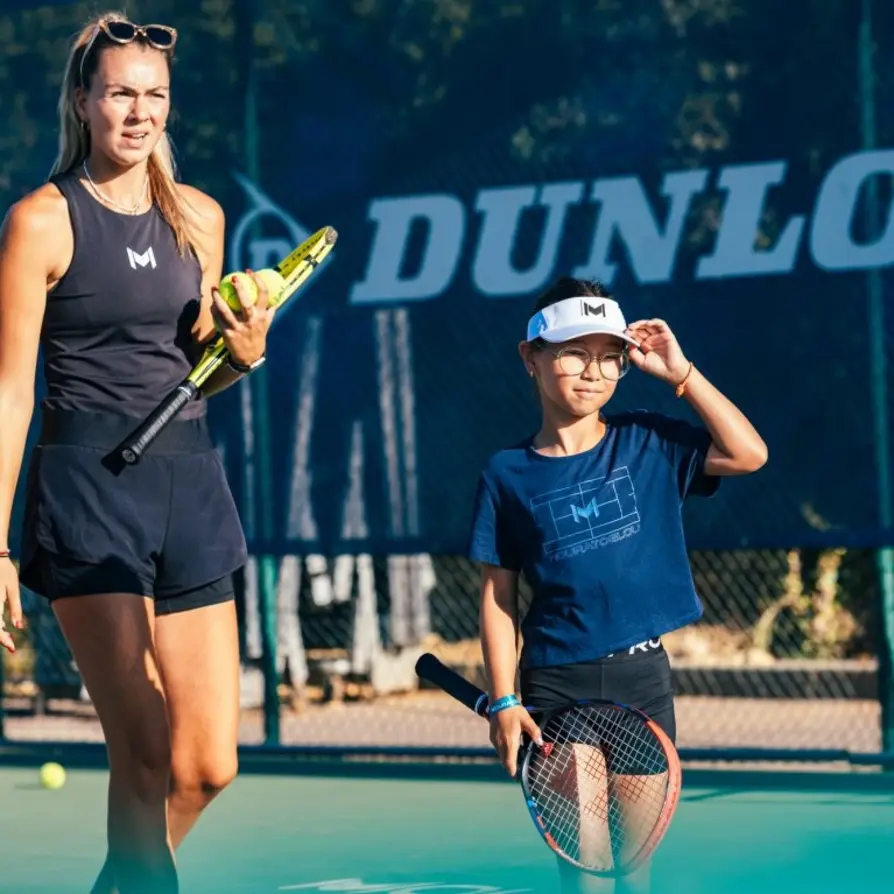
Autism-Friendly & Adaptive Tennis
Across America, you’ll now find:
- Sensory-friendly classes: Lower noise environments, visual routines, and clear structure help neurodivergent athletes focus on learning—not just competing.
- Collaborations with organizations like Autism Speaks and the National Center on Health, Physical Activity and Disability (NCHPAD) bring expertly tailored tennis experiences to thousands of kids and adults each week.
- Wheelchair tennis leagues in all major metros—L.A., Atlanta, Chicago, Dallas—offer loaner equipment, adaptive training, and championship play, funded by innovative blends of public and private grants.
Tennis for Beginners: Genuinely No-Barrier Entry
Forget old myths about tennis being “expensive” or “exclusive.” The First Serve Free program gives new players lessons, rackets, and balls—at zero cost. Over 1,000 clubs across the country offer these starter lessons. For kids, the Net Generation initiative ties together teachers, club pros, and parent volunteers to ensure opportunities extend from dense city parks to quiet small towns.
Intergenerational Play—A Sport That Connects
Want a fresh twist? “Family Rally Nights” at local clubs are bringing grandparents, parents, teens, and little ones onto the same court. The result? Doubled participation in age 55+ leagues since 2020 and a growing wave of multi-generational social networks anchored by tennis.
Community Engagement and Social Impact
- HBCU partnership programs: Scholarships and recruitment for students from historically underrepresented backgrounds.
- Tennis in Public Housing: The NY-based Serve Safe league coaches 3,500 kids annually, offering mentorship and safe spaces as well as groundstrokes.
“The court is the ultimate unifier,” notes Josh Patel, recipient of the USTA’s 2024 Community Builder Award. “Inclusive programs make tennis not just a sport, but a catalyst for personal and community growth.”
The Real Impact: Milwaukee’s Community Tennis League
In Milwaukee’s north side, where resources are often tight, the Community Tennis League pairs junior players with retired veterans and collegiate athletes as mentors. Alicia, a 12-year-old who started with donated rackets, now trains three days a week and dreams of a college scholarship. Her mother says, “Without the free programs and family rally events, tennis would have been out of reach for us. Now, it’s the highlight of our neighborhood summer.”
Exclusive Member Benefits: Equipment Discounts & Training Resources
Tennis membership in 2025 is more than league scores or T-shirt bragging rights—it’s a passport to VIP access, savings, and training tools that accelerate every player’s journey.
Top Member Perks
Gear Discounts
- Enjoy 20–35% off Wilson, Babolat, HEAD, and more thanks to club partnerships.
- Be first in line for limited-edition rackets, shoes, and ultra-light apparel tech.
Training Video Library
- Get free or discounted access to a treasure trove of 700+ pro drills, expert lessons, and match analysis.
- Stream everything on your phone, meaning you can train in your driveway, at the gym, or at midnight on your living room floor.
Player Development Tools
- Track your progress with digital skills badges.
- Climb local and national rankings by participating in skills challenges and ranked matches.
- Exclusive invites to “Play Day” festivals, UTR tournaments, and social “mixer” events to find your community.
Travel and Event Benefits
- Nab priority access and sweet discounts on tickets to the U.S. Open or other regional showcases.
- Tap into club exchange programs—play at partner clubs across the USA while traveling or on vacation.
Community-First Support
Membership dues don’t just line corporate pockets: a portion goes back into your community, keeping courts in top shape, funding outreach to kids, and supporting adaptive tennis for everyone.
“Membership means having the right gear, real development resources, and a deeper purpose—all while saving money,” says top-50 USTA league captain, Mario Rivera.
Expanded Real-World Benefit: Sally’s Gear Upgrade
Sally, an avid club player in Denver, says, “Before I joined, I was buying the cheapest racket online. Now, I got expert advice, saved 30% on a new Babolat, and I get free restringing twice a year. It’s made me want to train more—and it’s saving me a ton!”
And for parents? Bulk discounts on junior rackets and shoes mean siblings can play together without breaking the bank.
Pickleball vs Tennis Popularity Comparison USA
Let’s address the elephant in the room: The pickleball vs. tennis debate. You’ve seen the headlines—pickleball is everywhere, but is it truly outpacing tennis? The data says otherwise.

Court Usage and Popularity Showdown
| Metric | Tennis (2025) | Pickleball (2025) |
|---|---|---|
| U.S. players (active) | 24.5 million | 12.3 million |
| New courts built (2023–25) | 4,800+ | 2,300 |
| K–12 school integration | 92% of districts | 11% of districts |
| College scholarships | 14,000+ | 150 |
| National/Regional Tournaments | 6,400+ | 980 |
| Major public investment (2024–25) | $280 million | $55 million |
Key Takeaways:
- Tennis courts outnumber pickleball courts 5 to 1 in big metro areas.
- Long-term programs: 89% of U.S. townships fund tennis; just 34% do so for pickleball.
- Competition Pathway: Tennis offers league play from peewee to pro; pickleball is mostly pickup and rec for now.
US Sports Trends 2025: Why Tennis Wins the Long Game
- Legacy: Tennis has major college scholarship pipelines and Olympic-level opportunities.
- Accessibility: It’s a staple in schools and colleges—you can get access for little or no cost starting at a young age.
- Market Power: Tennis draws more sponsors, pro tours, and retail brands, supercharging its social and economic influence.
Pickleball’s strengths? It’s quick to learn, easier on the joints, and awesome for an after-dinner hangout (especially with local breweries joining in!). And who doesn’t love a good dinking rally?
But if you’re looking to maximize physical, social, and competitive development, tennis is still king.
“Pickleball is a fantastic recreational option, but tennis remains the gold standard for skill development, athletic progression, and broad community investment,” asserts Dr. Michelle Yi, Sports Trend Analyst, US SportView 2025.
Expansion: The Hybrid Model
Interestingly, some innovative clubs now offer “Tennis by day, Pickleball by night” flexible schedules. Players get to enjoy the social ease of pickleball as a warm-up, then ramp up with a tennis session for the full athletic workout.
Jake, a 26-year-old fitness enthusiast in Austin, says, “I use pickleball to meet new people and as a light cardio warm-up, but I play tennis twice a week for the real stamina and technical challenge. Both have a place, but you can’t beat tennis if you want a full-body routine.”
FAQs for the US Tennis Community
Q: Is tennis difficult to learn compared to pickleball?
A: Tennis is a little more technical at first (the court is bigger, the rackets are heavier), but with today’s beginner-friendly lessons and online resources, new players of any age find it way easier than you’d think. Certified coaches and adaptive programs can help you find your groove.
Q: How do I find a USTA-certified coach near me?
A: Check out the USTA Coach Finder app or your local club/rec department website. You’ll be able to sort pros by location, specialty (junior, adult, adaptive), and rating.
Q: Are there affordable ways for kids to start tennis?
A: Yes! First Serve Free and various Play Days offer zero-cost entry. Many clubs have gear loaner programs and flexible fees—plus scholarships for families.
Q: Does joining the community get me tournament eligibility?
A: In most cases, yes. Community and USTA memberships usually include tournament eligibility, league placement, and even national ratings. Just ask your club manager for details.
Q: What about tennis for older or adaptive athletes?
A: Adaptive clinics and 55+ leagues are growing fast—many with professional instruction, custom gear, and relaxed formats for any fitness level. Wheelchair, vision-impaired, and autism-friendly programs are also expanding.
Q: How is tennis becoming more eco-friendly?
A: New USTA policies encourage clubs to install LED lighting, recycle balls and gear, and use solar-powered facilities. Community service projects tied to membership often include sustainability goals.
Q: Is tennis really a lifelong sport?
A: Absolutely! Many clubs have players on court in their 80s and 90s, and social doubles matches are popular among all age groups. The adaptable play format means you can enjoy tennis at any stage of life.
Conclusion: The Future Is Bright for US Tennis
Tennis in America isn’t having a “moment”—it’s building a movement. The numbers and stories prove it: sustained investments, dynamic certified coaches, groundbreaking inclusive programs, and a culture that supports every stage of life. While fads come and go (pickleball, we’re looking at you!), tennis stays rooted—offering professional pathways, social communities, and lifelong skill development.
So, what are you waiting for? Whether you’re a nervous beginner or a seasoned competitor, the sport’s doors are wide open. This is your invitation to join the fastest-growing community in U.S. sports, grab those discounted rackets, sign up for a “First Serve Free” event, and become a part of something truly lasting.
Want even more insight into how new tech, innovative gear, and the digital future are shaping tennis? Check out this in-depth guide on Watch more.
👉 Our Website: https://ai-solutes.com/
👉 Our YouTube Channel: http://www.youtube.com/@ai-solutes
👉 Our Facebook Fanpage: https://www.facebook.com/profile.php?id=61576606911341
👉 Our X (Twitter): https://x.com/AISolutes