In an era defined by rapid technological progress, sweeping environmental mandates, and a global economy undergoing fundamental shifts, change touches every facet of modern life. Leadership, investment, and innovation now intersect in ways never seen before, shaping pathways not only for profit but for genuine societal transformation. Emerging markets surge ahead, digital tools redefine impact measurement, and policy races to keep up with disruptive trends. Whether you are an investor, policymaker, entrepreneur, or concerned global citizen, understanding these crucial dynamics is essential. This deep dive unpacks the massive and interconnected trends driving technology, sustainability, global power transitions, and social equity as we head into 2025.
Technological Advancements and Environmental Impact

Think of a city in 2025: solar panels glinting from every rooftop, fleets of electric buses weaving quietly through traffic, gardens spiraling up the sides of high-rises, and networks of sensors tracking every drop of water or spark of electricity—all tied together by AI that manages resources with surgical precision. This once-futuristic vision is now coming into focus. But what’s really behind the push, and what separates leaders from followers in this new era? Let’s pull back the curtain on the innovations, policies, and data redefining purposeful growth.
Digital Transformation: The Engine of Sustainability
Ask any CEO or city planner what’s driving their green push, and chances are you’ll hear: digital transformation. It’s not just hype—here’s how it’s changing the game:
- Artificial Intelligence (AI) and machine learning let factories pinpoint inefficiencies, predict when machines need repairs, and trim waste like never before.
- The Internet of Things (IoT) blankets whole cities with sensors, helping manage water systems, transit, and energy grids around the clock.
- Robotic automation takes on dangerous or repetitive tasks, making industries like recycling and hazardous waste management safer and more efficient.
Let’s crunch some numbers:
- Manufacturers using AI-powered predictive analytics report up to 15% lower energy bills.
- Smart infrastructure reduces leakage and waste: Singapore’s famous Smart Nation initiative brought double-digit drops in water and electricity use per resident.
- Cities that invest in digital tech see ripple effects far beyond their borders. Think about how Barcelona’s “smart city” rollout inspired copycats across Europe, or how Seoul’s digital transit platform helped residents shrink their carbon footprint while saving money.
But it’s not a free ride. Adopting digital tools also raises big questions: Who owns all that data? What happens if AI priorities the wrong metrics? Still, the evidence is building: tech-powered solutions, when managed thoughtfully, are central to a smaller, greener footprint.
Public Policy Meets Private Momentum: Turbocharging Clean Tech
Take a glance at the headlines and you’ll see that national policy is stepping up in a big way. Some highlights:
- The U.S. Inflation Reduction Act pours money into green energy and climate tech.
- Europe’s Green Deal ties industry’s hands tighter on emissions, while offering big payouts to innovators.
- China leads the world in solar production, boasting more solar panels per capita than any other nation, and their “Green Belt” initiative is exporting this model everywhere from Africa to Central Asia.
The results? Stunning growth:
- Global solar capacity soared by 35% in 2023—a record-smashing leap.
- Electric vehicle sales leapt by 58% year-over-year (YoY), from compact city cars to massive e-trucks.
- Battery technology and green hydrogen investments are picking up steam, with new gigafactories popping up from Texas to Southeast Asia.
But there are bumps in the road. U.S.-China trade fights, for instance, triggered headaches for companies depending on rare earth minerals—forcing brands to rethink where they buy, and pushing innovation into high gear.
What’s the lesson?
Winning in 2025 means blending smart investment in digital foundations with flexible, responsive policy. Agility, not just ambition, makes for a greener, more resilient tomorrow.
For a closer look at how AI is helping retailers shrink waste and sharpen their inventory game, don’t miss this guide: Watch more.
Measuring Tech’s True Environmental Impact: Enter AI
Ask anyone: “How green are we, really?” and you’ll hear the phrase “That depends…” a lot. But 2025 is about to change that. Today, AI-powered ESG platforms (that’s Environmental, Social, Governance for the uninitiated) are making it possible to measure, verify, and improve impact on a massive scale.
Where AI Is Making the Biggest Splash
- Carbon and GHG Emissions: Real-time dashboards track every ton, helping organizations prove (and improve) their path to net zero.
- Circular Economy: Smart systems follow products across the entire supply chain, flagging opportunities for repair, reuse, and recycling.
- Water & Energy Efficiency: Predictive analytics optimize everything from factory cooling systems to office lighting.
- Supply Chain Transparency: Blockchain and AI crack open the “black box,” exposing both achievements and risks.
Companies adopting these tools not only hit sustainability targets—they also slash risk, increase brand value, and attract mission-driven talent and investors.
But there’s a twist: while algorithms can clarify complex problems, they can also create confusion if they’re too opaque. This has led to rising demand for algorithmic transparency and global sustainability reporting standards.
Looking Ahead: Digital Innovation with Purpose
It’s not enough to invest in flashier tech. The industry visionaries pair digital transformation with savvy policy engagement, designing tactics that scale, flex, and genuinely improve the world.
Global Power Shifts and Geopolitical Impact 2025
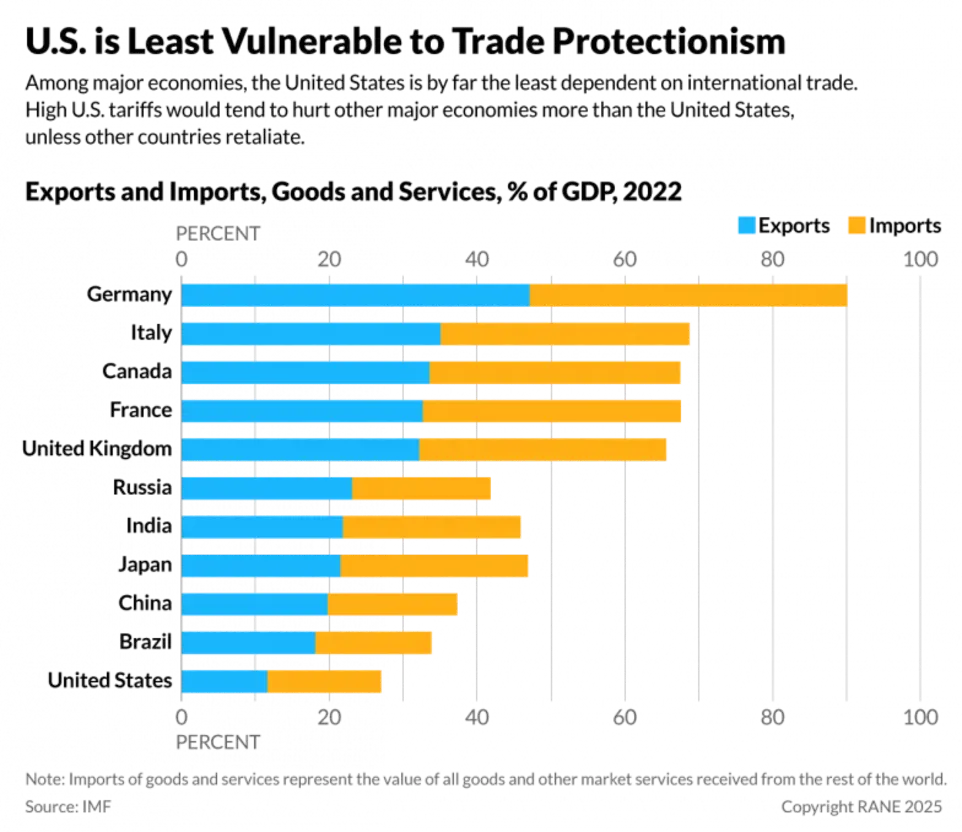
Tech and environmental disruption aren’t just making headlines locally—they’re tilting the very axis of global power. If 20th-century geopolitics were dominated by the old East vs. West playbook, 2025 looks a whole lot messier (and more exciting). Nations, regions, and burgeoning economic powerhouses are reimagining everything from trade to security in real time.
Multipolarity: The World’s New Normal
Forget the Cold War binary. Today, a multipolar world is emerging:
- Regional groups like ASEAN in Southeast Asia and AfCFTA in Africa are acting more like mini-unions, building their own networks of trade, tech policy, and even military alliances.
- Once “emerging” nations—think India, Indonesia, Nigeria—are taking center stage as innovation engines and markets too big to ignore.
- The Middle East, now fueled by trillions in green infrastructure spending, is rebranding itself from “oil basin” to “clean energy hub.”
Fast facts for your next trivia night:
- Intra-Asian trade now makes up more than 45% of all Asian exports (up from 36% in 2010).
- The African Continental Free Trade Area (AfCFTA), the world’s largest free trade bloc by number of countries, could pump up intra-African trade by 33% over the next ten years, according to World Bank estimates.
Decoupling, Supply Chains, and Economic Leverage
If you ever doubted the butterfly effect, look no further than global supply chains. COVID, climate disasters, and the race for technological self-sufficiency have upended the old “just-in-time” world.
Welcome to the age of de-risking and friend-shoring:
- A whopping 71% of global manufacturers diversified their suppliers in the last three years. Remember when toilet paper shortages became a meme? That was just the tip of the iceberg!
- Nearshoring is surging: U.S. and European firms are moving factories closer to home, eyeing Mexico and Eastern Europe for speed and certainty.
Geopolitics and Security Threats: The New Playing Field
- Tech Wars: The U.S.-China rivalry has spilled into data privacy, AI regulation, and green technology patents. Competing standards risk splitting the internet—and the AI world—into “digital islands.”
- Resource Showdowns: Nations sitting on critical minerals like lithium and cobalt now wield disproportionate power. (Hint: If your phone or EV depends on it, so does your economy.)
Big picture:
Leading companies are baking political and supply chain risk into every plan. Flexibility, resilience, and constant scenario planning are must-haves—no longer “nice to have” contingency items.
Let’s be honest—this part of the story feels straight out of an epic Netflix series. Who needs spy thrillers when real-world geopolitics serves up drama on a daily basis?
Social Equity and Economic Growth in Emerging Markets
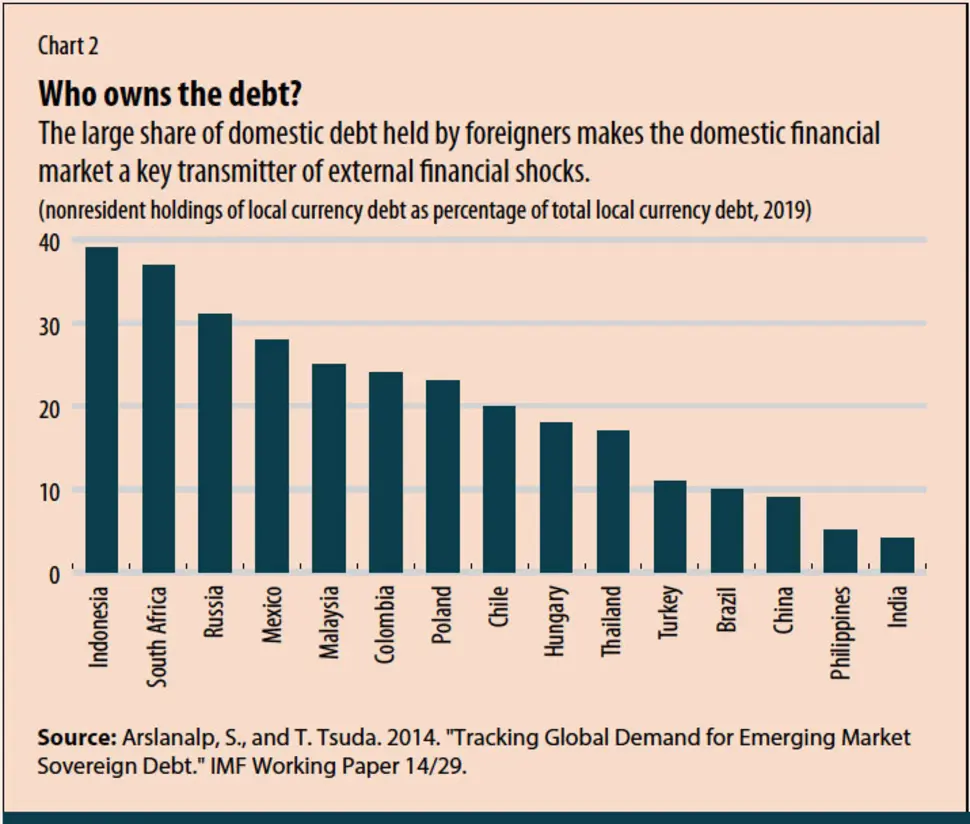
Disruption on the big stage would be meaningless if it didn’t change lives where it matters most: on the ground, in communities all over the world. That’s where the next great story is unfolding—in the fast-growing cities, villages, and digital startups of Africa, Asia, and Latin America. Let’s explore how economic and technological acceleration is transforming social equity in these emerging markets.
Growth at Warp Speed: Emerging Economies Take Center Stage
Here’s a stat that might surprise you: by 2025, emerging markets will drive almost 60% of global GDP growth. No, that’s not a typo.
How is this happening? Three main factors:
- Fast, affordable mobile connectivity is leapfrogging old infrastructure—just ask the millions using mobile banking in Kenya or Brazil.
- Digital access and financial tools are empowering villagers as much as city-dwellers.
- Education technology (edtech) and social enterprise models are spreading rapidly, providing opportunity and social mobility on a scale never seen before.
Social Equity Drivers: Opportunity, Policy, and Representation
Let’s bring some numbers into focus:
- Since 2017, 1.6 billion+ people in developing countries have gained access to digital financial services.
- Women entrepreneurs are winning bigger slices of the funding pie: In Africa, nearly 30% of SME growth financing now goes to women-owned businesses—that’s up nearly 3x over the last decade.
What’s behind the momentum? Governments and NGOs are mandating:
- Local content requirements (ensuring local workers and businesses benefit)
- Gender equity in hiring and lending
- Tech transfer programs that build local know-how and empower small- and medium-sized enterprises (SMEs)
Take Kenya’s M-PESA: It took mobile payments mainstream—turning someone’s phone into a microbank. Small farmers now get paid instantly; kids can pay school fees from miles away. The result? Communities grow, stabilize, and build lasting wealth.
Private Capital Flows and the “Inclusion Premium”
Investors are catching on that doing good (for real) can also mean doing well financially. Here’s what’s hot:
- Inclusive fintech, agritech, and edtech startups in Africa and South Asia are reporting 25–35% annual growth.
- Investors who screen for social impact—not just profit—are reporting stronger loyalty from both employees and consumers, along with longer-term resilience.
What should you do?
If you’re investing in these regions, look for sweet spots where growth metrics combine with genuine, systemic social impact. That’s where the smart money (and the best talent) are headed.
Let’s not sugarcoat it—challenges remain, from corruption to climate shocks. But the wind is blowing in the right direction, especially for innovators that put people at the center of their mission.
Impact Investing Trends and Growth Sectors 2025
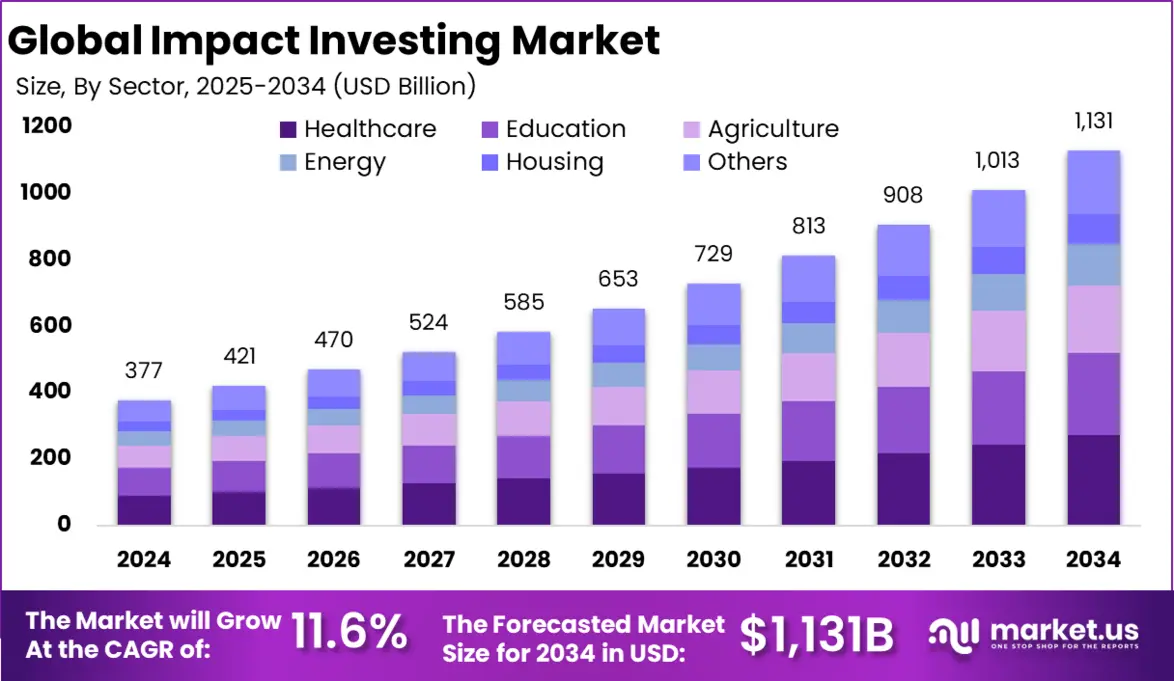
Remember when “impact investing” was a niche reserved for feel-good foundations and idealistic startups? Well, those days are ancient history. In 2025, the fine line between social mission and financial gain has blurred into a billion-dollar wave, reshaping how, where, and why capital flows.
The Rise—and Rise—of Impact Capital
According to the Global Impact Investing Network (GIIN), global assets under management in the impact space topped $1.5 trillion last year—and are on track to blow past $2 trillion by the end of 2025. To put that in perspective, that’s more than the annual defense budgets of the U.S., China, and Russia combined!
Hot Sectors Grabbing Attention (and Dollars)
- Clean Energy & Renewables: From wind megafarms in Texas to solar panels on rural Indian homes, these investments already account for more than half of all new global power capacity.
- Health and Life Sciences: The pandemic turbocharged telehealth, remote diagnostics, and vaccine-tech for low-access communities.
- Inclusive Fintech: Digital wallets, microloans, and real-time transfers are leveling the financial playing field—not just in Silicon Valley, but in Manila and Lagos as well.
- Sustainable Agriculture & Food Chains: “Farm to fork” is more than a trendy hashtag. Smart irrigation, blockchain-tracked food origins, and community-owned farms are on the upswing.
Where the Money Is: Regional Highlights
- Asia-Pacific: Green infrastructure is red-hot—China, Vietnam, and India lead the charge, with 59% year-over-year investment growth in green projects.
- Sub-Saharan Africa: Edtech and climate-resilient agriculture are magnets for cross-border VC dollars.
- Latin America: Fintech and ethical supply chains are driving both local and international funding booms.
Impact Investing: What Sets Leaders Apart?
The best impact investors of 2025 stand out by sticking to three ironclad principles:
- Intentionality: Investments have a clear mission, not just accidental impact.
- Additionality: The change would NOT happen without their capital—no “passive passengers” allowed.
- Measurability: Results count only if you can track and prove them, period.
Want to be taken seriously? Aligning with tough global standards (like GIIN’s IRIS+) isn’t just for compliance—it’s a mark of credibility that wins trust.
For a real look at how AI and automation are revolutionizing professional services and driving measurable impact, take a peek: Watch more.
Measuring and Analyzing Impact Across Sectors
We’ve entered a new era: “Trust me” is out, proving it is in. With stakeholder scrutiny at an all-time high and billions riding on reputation, 2025’s leaders know that robust measurement is the true currency of credibility.
Building the Gold Standard for Impact Measurement
Here’s what the best in class do (and what you should, too):
The Toolbox
- IRIS+ (Global Impact Investing Network): The go-to dictionary for impact metrics. Whether you’re a fund, corporate, or founder, this taxonomy lets you talk the same language as the world’s top investors.
- ESG/SASB/GRI Reporting: These acronyms mean “trustworthy, comparable data.” Leading institutional investors now expect (and demand) this level of transparency.
- SDG Integration: Tying your results to the UN Sustainable Development Goals isn’t just marketing—it’s proof you’re contributing to what actually matters.
How to Build a Killer Impact Measurement System
- Define Objectives: Be laser-specific. A vague mission leads to fuzzy results.
- Map Value Chains: Understand who’s affected, from raw material suppliers to end user—don’t leave out hidden players.
- Capture Data at the Source: Leverage IoT, satellite imagery, or mobile tech for instant, accurate insights.
- Apply Analytics: Use AI tools to spot trends, flag risk, and trigger real-time course corrections.
- Report with Radical Transparency: Dashboards, open data, third-party audits: no more hiding behind platitudes.
Next-Gen Tech for Next-Level Impact
- AI Dashboards: Picture a single screen showing you water savings, dollars invested, tons of CO2 avoided, and family incomes—all live.
- Blockchain: Every step in the supply chain is tracked, verified, and unchangeable. No more “he said, she said.”
- Automated Greenwashing Detection: Algorithms now sniff out suspicious claims so fast, they make regulators look slow.
The real winners use these systems not just for reporting, but for creating positive feedback loops that drive operational improvement over time. Talk about turning data into gold.
Real-World Example: Analytics in Action
Picture this: An agritech fund invests in small farms across South America. By deploying IoT soil sensors and using IRIS+-aligned metrics, they track:
- Water usage per crop
- Emissions per ton transported
- Farmer earnings per season
- Biodiversity metrics (like pollinator counts)
After just two growing seasons, the data revealed:
- 30% increase in crop yields
- 22% drop in water use
- A meaningful rise in incomes and local employment
The kicker? Transparent, data-driven reports not only attracted new investors—they also helped local communities negotiate better prices and build resilience against climate shocks.
Conclusion: Mastering the Impact Landscape in 2025
So, what does it really take to lead in a world where the rules are being rewritten daily? If 2025 teaches us anything, it’s this: Success belongs to those who fuse bold technological moves with environmental responsibility, a global geopolitical view, genuine drive for equity, and the discipline of rock-solid impact measurement.
Whether you’re working on Wall Street or running a local social enterprise, making widgets or writing policy, everyone now has a stake—and a toolset—to help build a future that’s not just more profitable, but more resilient and just.
The most effective leaders? They don’t just react to change—they set the pace. They turn sustainability from afterthought into advantage. They build alliances across borders and break barriers for new voices. And they make results transparent, so trust can grow.
Ready to level up? Start experimenting, start measuring, and start collaborating. Because the future isn’t waiting—so why should you?
Suggested Next Read
Want to see how bleeding-edge retail and supply chain tech are transforming not only business results—but environmental impact, too? This one’s worth your click: Watch more.
Ready to take your understanding and influence further? The time for impact is now—let’s move the world together!
👉 Our Website: https://ai-solutes.com/
👉 Our YouTube Channel: http://www.youtube.com/@ai-solutes
👉 Our Facebook Fanpage: https://www.facebook.com/profile.php?id=61576606911341
👉 Our X (Twitter): https://x.com/AISolutes
- Is LightPDF Efficient Today? Reviewing the LightPDF Document Management Suite
- Master Redbubble in 2026: Sell Faster With Fees Breakdown, Trend Niches, and Listing SEO That Boosts Earnings
- Does IObit Maximize PC Performance? Evaluating the IObit System Optimization Suite
- Does iMobie Simplify Phone Transfers? Evaluating the iMobie Mobile Data Management Suite
- WaveSpeedAI 2026 Review: Generate Real-Time AI Images and Video in Under 2 Seconds With 700+ Models