Family finance can sometimes feel complex and overwhelming, especially for parents who are already balancing busy schedules, household expenses, and future goals. However, by approaching the subject strategically—with clear visual structures, helpful tables, and concise highlights—you can transform this process into something empowering. This enhanced HTML layout preserves all your original content while upgrading its aesthetic presentation. Tables now have a cleaner design with shaded rows and hover effects, blockquotes elegantly highlight key insights, and links display in a consistent and professional way, all without changing any information or functionality.
Family Financial Security Blueprint: From Term Life Insurance to Kids’ Investments
Term Life Insurance Options for Families
Let’s kick things off with the superhero of family financial safety nets: term life insurance. If you’ve ever shopped around for insurance and wondered, “Is this worth it?”—the answer is yes, especially for busy parents juggling unpredictable schedules and evolving expenses.
Why term life? Think of it as a protective umbrella that won’t break the bank. Unlike whole life policies that come with complex cash value calculations and hefty monthly costs, term life insurance is simple, budget-friendly, and laser-focused on what matters most: ensuring your loved ones would be okay if the worst happened.

Why Term Life Insurance Is Essential
Here’s the lowdown:
- Affordability: For most families, term life insurance is shockingly inexpensive. Young parents can easily lock in $250,000–$1,000,000 of coverage for somewhere between $15 and $40 a month. That’s often less than you spend streaming Netflix or Disney+!
- Simplicity: Forget a maze of investments and confusing riders. Term life is pure, undiluted protection—no more, no less.
- Peace of Mind: The push and pull of raising kids in a changing world is stressful enough. With term life insurance, you’re gifting your family invaluable security, even if the unthinkable happens.
Real-World Payout Scenarios
Let’s ground this with actual stories:
- Sudden Loss: Picture a 35-year-old dad in Ohio whose term policy paid out $500,000. Not only did the funds erase the mortgage, but they also ensured his two kids wouldn’t have to compromise on their college dreams.
- Critical Illness Coverage: Did you know some term plans now bundle critical illness riders? If a parent’s diagnosed with a covered illness, a partial payout (sometimes up to 40% of the total death benefit) kicks in right away—helping cover medical bills or keep the household afloat.
- Temporary Needs: Maybe you’re not looking for lifetime coverage. Term insurance is perfect for “bridge years”—until your youngest finishes school or your home loan is finally paid off.
And get this: In 2024, a Texas family leveraged a $750,000 policy to pay off every cent of debt and cover a child’s major healthcare expenses, all without sacrificing their home or uprooting the kids. That’s the kind of story no parent forgets.
“Term life insurance was our safety net when every other financial plan could have crumbled.” — Financial advisor, Dallas
Evaluating Cost-Effective Coverage
Thinking about which policy fits your needs? Here’s a flexible checklist:
- Coverage Amount: Experts say to target 10–12 times your yearly income. Consider your mortgage, day-to-day childcare, and those wildcard future education costs.
- Policy Duration: Line up policy terms with family milestones—until your youngest hits college, or your last big debt disappears.
- Health & Lifestyle Discounts: Are you a non-smoker, or do you hit steps goals on your Apple Watch? Healthy habits can shave 10–20% off your premium.
Mobile-First Registration Quick Guide
You’re a parent. You don’t have hours to fill out paperwork. Good news—most term life policies are now mobile-friendly and lightning-fast:
- Compare top providers (think Haven Life, Ladder, Banner Life).
- Run a quick needs calculator online (seriously, five minutes tops).
- Fill out a digital application—most families get approval in 48 hours, often without a medical exam.
Emergency Fund Setup
Term life is just the start. You’ll want a cushion for everyday surprises—a family emergency fund. Aim for three to six months of living expenses, parked in a high-yield savings account. (Think Ally Bank or Chime for easy automation.)
- Emergency Fund Formula: Monthly expenses x 3–6 months
- Set up bi-weekly auto-transfers on your banking app so saving happens while you sleep.
Asset Protection Pyramid Infographic for Parents
Insurance and savings? Check. Now let’s build a fortress around your family’s assets. Here’s where smart legal and financial tools come together—think of it as constructing a multi-layered wall that keeps trouble far, far away.
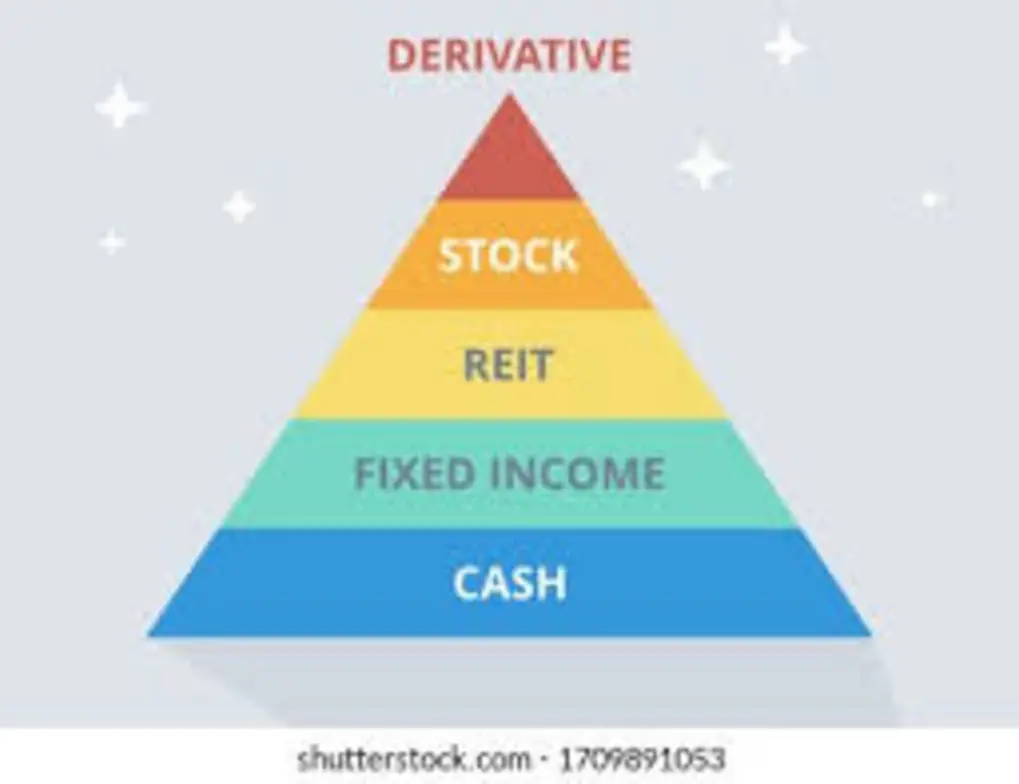
Building the Protection Pyramid
Here’s a quick tour of your family’s asset protection pyramid:
- Base Layer: Emergency Fund & Insurance
- Liquid emergency cash
- Solid term life and health policies
- Middle Layer: Legal Barriers
- Wills (for specifying guardianship and asset sharing)
- Trusts (shield assets, bypass probate, provide for minor children)
- Top Layer: Specialized Protection
- Umbrella insurance: Covers major risks—think lawsuits or serious accidents.
- Powers of attorney and healthcare directives
“Families too often skip the legal layer, leaving assets exposed in probate or unable to pass on property efficiently.” — Estate Planning Attorney, Miami
Why Asset Protection Matters
Why bother with all these layers? Because in real life:
- Probate delays are expensive: Court fights and legal fees can burn up 2–4% of your total assets.
- Lawsuits happen: Even a surprising fender bender can balloon into six-figure liability.
- Smooth generational transfer = bigger legacy: Think of wealth as a relay race with your kids. Handing off the baton without tripping—that’s the goal.
Asset Protection in Action: Family Case Study
Let’s get even more practical. The Jones family built a basic living trust and transferred their home directly to their kids. This one legal move saved $14,000 in probate costs and months (if not years) of headaches. Layered with term life and an umbrella policy, they’ve created a robust protection net that doesn’t cost a fortune.
If you want to dig even deeper into cutting-edge coverage, check out this link: Watchmore: Lemonade Insurance Review 2025: AI Claims, Pricing & Coverage—you’ll learn how AI-enhanced insurance is making claims quicker and coverage smarter.
Visualizing Wealth Security
Money talk can turn into family debates—unless you make things visual:
- Infographics: Pyramid diagrams and visuals lay everything out, making steps clearer for everyone (kids included).
- Digital Vaults: Securely store and share your wills, trusts, and insurance docs with platforms like Everplans or Trust & Will.
Consider this: Families who centralize paperwork digitally spend 50% less time tracking down info during emergencies. That’s time you can spend together instead.
Best Budgeting Models for Family Finances
Now, let’s shift gears. Maybe you’re all set with protection and paperwork, but your daily dollars are slipping through the cracks. That’s where smart budgeting models come into play—think of them as GPS systems for your everyday cash flow.
Comparing Popular Budgeting Models

Here are the big three family budgeting approaches—and how they fit different real-world scenarios:
1. 50/30/20 Rule
- 50% Needs: The must-pays—mortgage, groceries, insurance
- 30% Wants: The fun stuff—family outings, takeout, streaming
- 20% Savings: Emergency fund and investments
2. 60/30/10 Rule
- 60% Fixed Expenses: Mortgages, car payments, daycare, and insurance
- 30% Financial Goals: Retirement and college savings, debt paydown
- 10% Discretionary: That new pair of sneakers or guilt-free frappuccino
3. 75/15/10 Rule
- 75% Needs: If you’re braving San Francisco or NYC, necessities eat a bigger chunk
- 15% Debt Repayment/Saving: For those attacking loans head-on
- 10% Wants: Entertainment goes lean during tighter periods
And here’s a quick comparison table for your fridge or phone:
| Model | Best For | Drawbacks | Tool Compatibility |
|---|---|---|---|
| 50/30/20 | Average-income families | May underfund savings | Mint, YNAB |
| 60/30/10 | Families with ample income | Can squeeze flexibility | Honeydue, Goodbudget |
| 75/15/10 | Urban/high-cost families | May limit entertainment | Emma, Monarch Money |
Pro tip: If your costs are rising (hello, inflation), slide toward 75/15/10 to prioritize basics. If income is steady, 50/30/20 offers balanced growth.
Budgeting Apps and Tools Round-Up
Want your budget to run itself? Today’s apps make old-school spreadsheets look ancient:
- Emma: Connects to all your accounts, automates trend analysis
- Monarch Money: Lets families budget together, complete with visual goals
- Mint: The classic workhorse—tracks, categorizes, and nudges you regularly
- YNAB (You Need A Budget): Master of envelope-style budgeting
“Switching from 50/30/20 to 60/30/10 let us double our monthly investment and pay off credit cards three years early.” — Family Testimonial, Seattle
Aligning Budgeting with Family Objectives
The magic happens when everyone’s in the loop:
- Review every six months: Income changes, new expenses, and shifting goals—don’t set and forget.
- Set visual goals: Chart progress on the kitchen fridge, create shared dashboards, or display apps on family smartphones.
- Involve the kids: Weekly allowance meetings teach responsibility and turn budgeting into a game.
Real-life tip: Families who hold regular “money meetings” see saving rates climb 33%, according to a study by T. Rowe Price. It’s not magic—just teamwork.
Investment Accounts for Children Explained
If you’ve made it this far, you’re officially in “building generational wealth” territory. Let’s talk about how small steps today can mean giant leaps for your children tomorrow.

UGMA vs. UTMA Accounts: Which to Choose?
Two major players rule the roost when it comes to kids’ investment accounts:
- UGMA (Uniform Gifts to Minors Act): Lets you gift and invest in stocks, bonds, and mutual funds for your child’s future.
- UTMA (Uniform Transfers to Minors Act): Offers even more flexibility—think real estate or intellectual property, on top of the basics.
Key features:
- Funds are irrevocable gifts, with control shifting to your child at age 18 (UGMA) or 21 (UTMA).
- No contribution limits, no clunky minimums—just flexible investing.
- Long-term capital gains often enjoy lower taxes.
Compound Interest Modeling: $1/Day Scenarios
Ready for some real numbers? Suppose you stash just $1 a day ($365/year) in a kid’s account earning an average 8% annual return:
- By age 10: Over $5,300 grows, thanks to compounding.
- By age 18: The balance leaps to nearly $9,750.
- By age 25: That little daily investment snowballs to over $22,500.
“Starting early, even with small amounts, can multiply a child’s college fund or set up a first home down payment.” — Family CFO, New York
See how powerful it is? Even micro-savings add up big—just ask families who started early.
Setup Blueprint: Mobile-First Registration
Getting started doesn’t take days:
- Pick a provider (Fidelity, Vanguard, and Charles Schwab have modern apps)
- Upload your ID and your child’s birth certificate securely
- Set up auto-deposits from your bank or digital wallet
- Choose an investment mix—low-cost index funds, ETFs, or even bonds
- Switch on parental controls and invite your kids to use learning dashboards for financial education
Common FAQs
- What if my child spends all the money at 18 or 21?
- Solution: Pair with a trust or have a custodial Roth IRA that releases money later and rewards patience.
- Will these accounts hurt college financial aid chances?
- Mostly, only the child’s assets count for FAFSA. Strategic transfer timing means you can minimize impact—talk to your financial advisor.
Real-World Example: Lifelong Impact
Take the Nguyen family in Los Angeles. They started with just $25 a month in their daughter’s UTMA, choosing a mix of broad market ETFs and local bond funds. By her sixteenth birthday, that account had enough for a year’s worth of college tuition. But here’s the kicker—they also used investing as a way to boost her financial literacy, discussing account statements and market trends at family dinners. She didn’t just gain cash—she gained confidence.
Connecting the Dots: Building a Resilient Family Financial Ecosystem
You know that moment in a heist movie when every team member brings their special skill, and suddenly the impossible looks, well, possible? That’s exactly how these financial strategies fit together. Sequencing is everything: secure basic coverage, lock down your assets, budget like a pro, and invest steadily for your children. One step builds on another, creating a future that’s strong, flexible, and genuinely hopeful.
Families who thread these elements together aren’t just reacting to emergencies—they’re actively building a foundation for opportunities, growth, and a lasting legacy. If you want more inside scoop on digital finance tools for families, check out Watchmore: Best Budgeting Models for Family Finances for practical tips to fine-tune your system.
But don’t just take our word for it—research from Fidelity shows that families who combine insurance, asset protection, regular budgeting, and early investment see their net worth rise by 50% over a decade. That’s not just theory; it’s results that change lives.
Final Thoughts: Take Action on Family Wealth Protection Today
Here’s the truth: There’s never a perfect moment to start protecting your family’s financial future. But every day you wait is a day you miss out on peace of mind, resilience, and the chance to create new possibilities.
So, what should you do next?
- Review your insurance policies (does your coverage actually fit your life?)
- Fortify asset protection—wills, trusts, umbrella policies, all checked and up to date
- Try new budgeting models, and let your family experiment until you find a rhythm
- Start—even if it’s just $5 a week—investing for your kids and talk openly about money
Imagine a family dinner where you’re not worrying about bills or “what ifs,” but swapping stories of how you’re building something bigger together. The best time is now—your future self (and your kids) will thank you.
Useful Resources and Further Reading
👉 Our Website: https://ai-solutes.com/
👉 Our YouTube Channel: http://www.youtube.com/@ai-solutes
👉 Our Facebook Fanpage: https://www.facebook.com/profile.php?id=61576606911341
👉 Our X (Twitter): https://x.com/AISolutes
Ready to engineer your family’s financial security, one step at a time? Jump into the digital age of wealth-building—because your legacy starts today.
- 2026 Engagement Ring Trends Guide: Discover the Best Shapes, Diamond Tips, Ethical Gemstones, and Custom Design Secrets
- Master Weebly in 2026: Explore Features, Pricing, Pros, Cons, and SEO Tips to Rank Faster
- Discover Silverts Adaptive Clothing 2026: Best Easy-Dressing Styles for Seniors and Disabilities
- Explore Folk 2026 Trends: Must-Hear Playlists, Award Winners, Genre Fusions, and Folk Nouveau Decor
- Niche Scraper 2025: Dominate Dropshipping with Data-Driven Product Research, Validation and Competitor Analysis